A Dozen Great Black Friday Sales

You used to have to muscle your way into stores and stand in long lines to take advantage of Black Friday promotions. Nowadays, everything is online, so you can shop from the comfort of your own home. The difficulty, of course, is that you're then swamped with possibilities, making it impossible to know what to buy. To make the landscape a little easier to navigate, I round up some of my favorite Black Friday promotions every year and post them here, along with a selection of notable picks at each store. These guides are designed to cover almost every budget—from relatively affordable basics to designer items—so there's something for everyone. Here's this year's list organized by increasing order of price with a smattering of miscellanea at the end. 

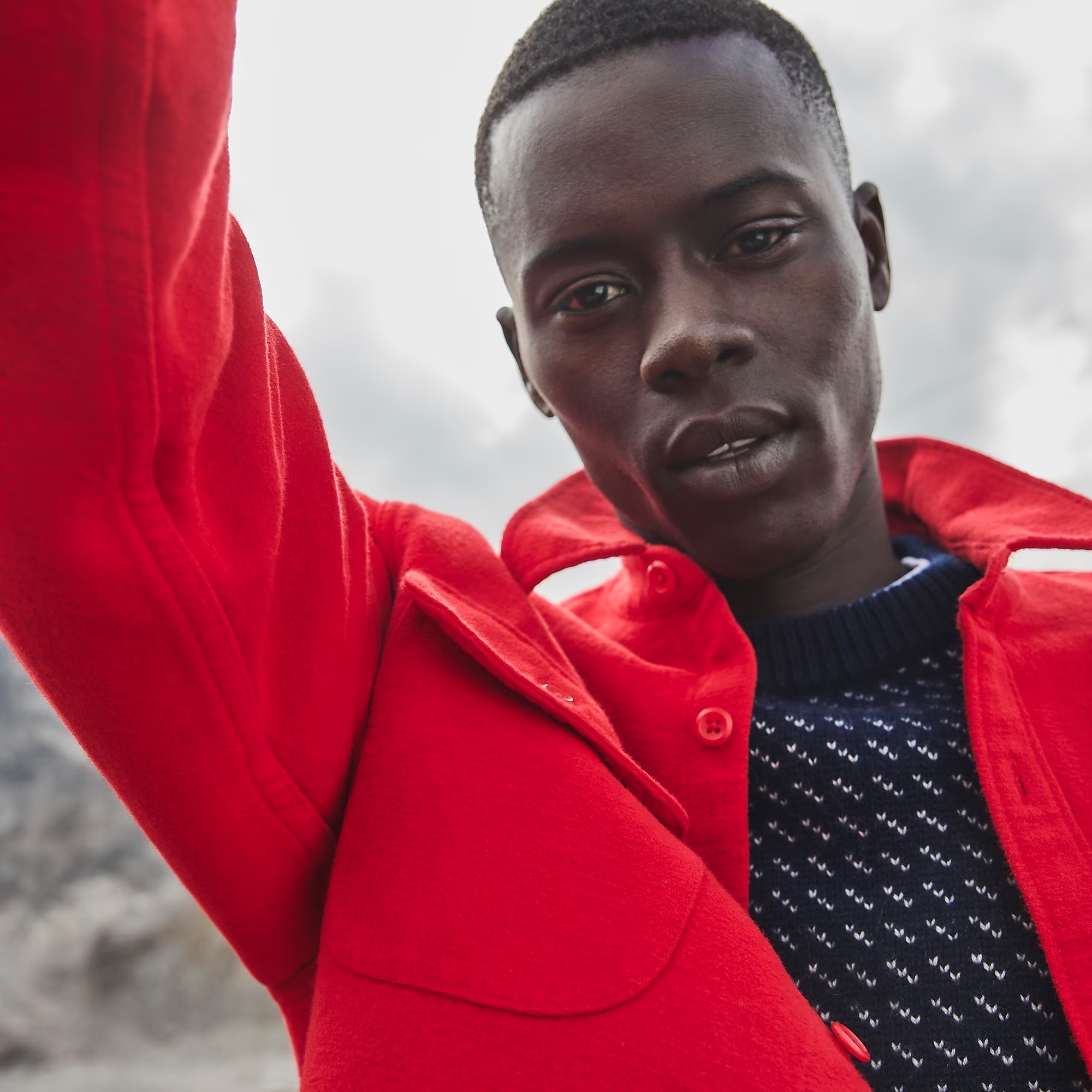
J. CREW: 50% OFF EVERYTHING; NO CODE NEEDED

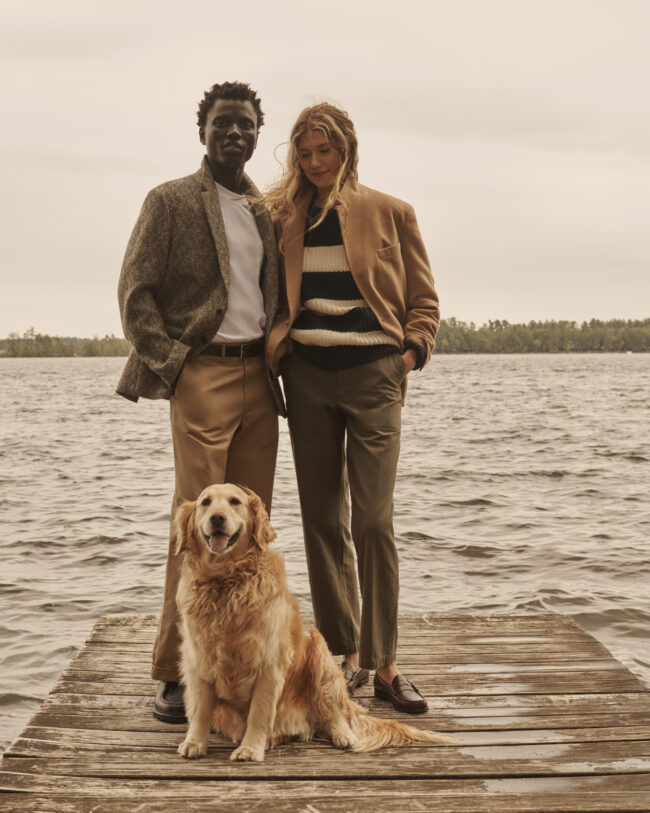
In 2020, when J. Crew filed for Chapter 11 bankruptcy, I wrote an op-ed for The Washington Post about how this preppy brand plays an important role in the menswear market. For many guys, J. Crew is their entry point into building a better wardrobe. The company's prices are relatively affordable, and the designs are fairly classic. The company sells things such as chambray work shirts, field jackets, and flat-front chinos—things that look good on almost everyone. However, the departures of Jenna Lyons and Frank Muytjens in 2017 casted a shadow of uncertainty. Speculation surfaced about plans to transform J. Crew into a version of The Gap, potentially distributed through Amazon. So it was a relief when the company ousted the old management and design team, replacing them with Brendon Babenzien, the new Creative Director, who has steered the company clear of such a fate, injecting renewed vitality into this iconic label.

Keep reading
Excited To Wear This Fall

For the past few years, at the start of every season, I've made it a tradition to publish a post about things I'm excited to wear. These posts are a deliberate shift away from the conventional notion of "wardrobe essentials," a concept that has, in many ways, lost its relevance as people lead different lifestyles. They also allow me to just talk about things I'm excited about. I think that emotional connection—rather than a coldly calculated and rational approach about supposed "essentials"—is a much better way to build a wardrobe, as it makes you think about what you'll love wearing ten years from now. I've been encouraged by readers who tell me they find these posts useful in helping them build a wardrobe. So here are ten things I'm excited to break out this season, along with a Spotify playlist at the end that will hopefully set the mood.

THE POLO COAT

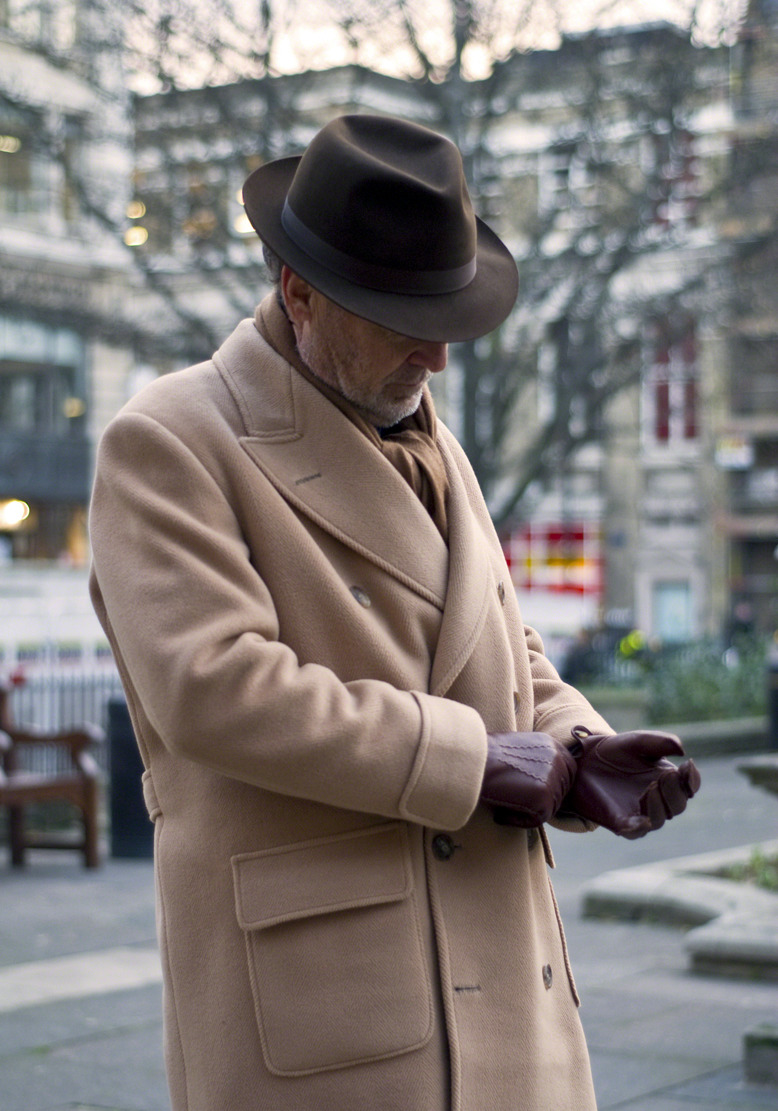
Like many things, the game of polo is an international phenomenon with cultural origins now long forgotten. The modern version of the game was first played in Manipur, India, where locals called the fist-sized wooden ball pulu, a Tibetic term later anglicized to polo. In the mid-19th century, British cavalry officers picked up the sport in India, imported it to England, and then spread it around the world during the height of empire. It’s through this intoxicating mix of sport and nobility that polo has become such fertile ground for menswear. The game has given us the button-down collar, jodhpur and chukka boots, Jaeger-LeCoultre’s Reverso, and the most recognizable menswear logo. It has also given us the polo coat—the most American of dress outerwear styles.

Keep reading

The Best of This Season’s Sales

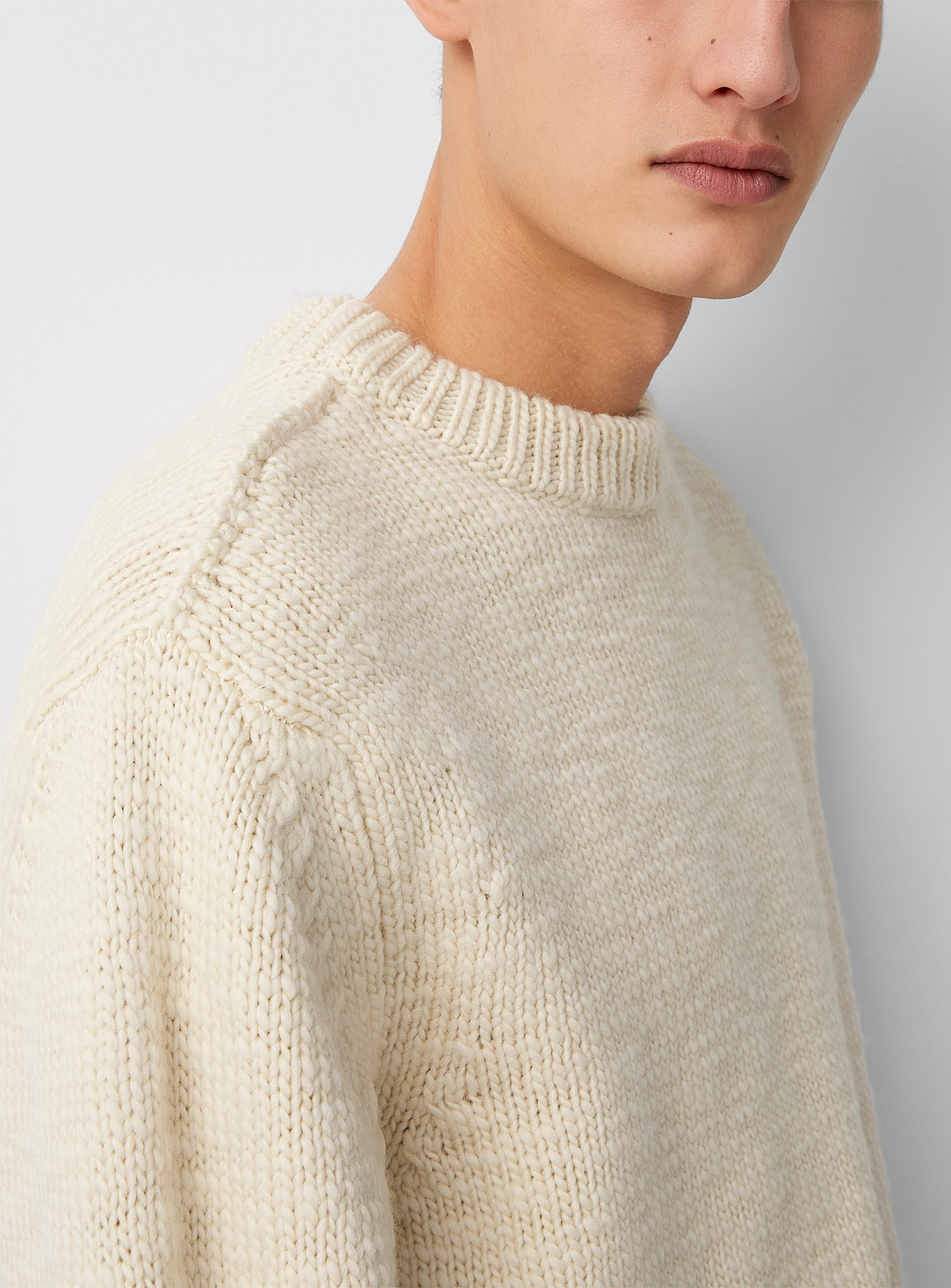
I envy people who aren't interested in clothes. Just the sight of a chunky cream sweater or camp collar shirt is enough to send me into a daydreaming tailspin, where I waste hours of my day poring over online images and reading about the product's construction. Then I imagine the new and exciting life I would lead if I only had that outfit, temporarily forgetting that I'm actually sitting on my couch with my laptop, cat, and Pendleton blanket on my lap, having not moved for hours and with no intention of doing so. I recently found myself doing this, as many of the best online stores are having their end-of-season promotions, each product page ripe with the hope of possibility—the opportunity to dress up for a friendly lunch, a celebratory dinner, or a walk to the market to buy flowers for one's self. So here is a roundup of some of the sales I've been admiring online, peppered with ideas of when and where you can wear such items. 

SSENSE: UP TO 60% OFF; NO CODE

Maybe it's because I recently watched the Lemaire SS24 show, but I've been once again daydreaming about the artsy, cultivated life I assume I would live if I just owned a few more pieces from this French designer. Lemaire's clothes fit loose, giving you comfort and room to hide an aging dad bod, but they're rendered in fabrics and details that allow you to pretend you're a sophisticated Belgian artist excited about the coming relaunch of the beloved book-lit mag Bookforum. I really like the company's summer pants, which come with self-belts, twisted side seams, and topstitching in unusual places. They move and swish when you walk and lend an attractive silhouette to plain summer outfits. I've been wearing the company's taupe twisted pants with a cream-colored, silk camp collar shirt I bought from The Post Romantic last year, modeled after this Umit Benan design (the shirt isn't on Post Romantic's site, but is available if you just email them). 

Keep reading

Living Legend: An Interview with Yukio Akamine

In the mid-2000s, I used to take the bus to Kinokuniya, an Asian bookstore in San Francisco that sold Japanese magazines like Men's Precious, Men's Ex, and, of course, the famous Free & Easy. Non-English publications, then as now, covered classic menswear better than their English counterparts. While American magazines like GQ and Esquire featured articles on Thom Browne and Tom Ford, Japanese publications discussed the differences between English and Italian tailoring, Alden's many lasts, and specialty retailers like The Andover Shop. The issue, of course, was that the writing was in Japanese, making it unintelligible to anyone who did not know the language. Aside from English brand names, there were only a few amusing English phrases, such as RUGGED MAN and DAD STYLE (terms for workwear and trad, respectively). Despite my misgivings about spending $25 on a magazine I couldn't read, no one else did this kind of print coverage. The photos alone were an education.

Last summer, I was delighted to learn that Eisuke Yamashita, a former Men's Precious editor, now runs his own website, Mon Oncle (French for "my uncle"). His site features profiles on menswear legends such as Luciano Barbera, celebrities such as Juzo Itami, and artisans outside the menswear space, such as woodworker Takafumi Mochizuki. I was also pleased to see a multi-part series on Yukio Akamine, whom I regard as the most stylish man alive. Akamine has a long history in the Japanese menswear scene. He's introduced generations of Japanese men to classic style and consulted for brands such as United Arrows. Nowadays, he runs a made-to-measure tailoring company called Akamine Royal Line and appears on Japanese shows to discuss menswear.

In his Mon Oncle interviews, Akamine shares some charming observations and advice. He encourages people to wear jackets that are full enough to allow for comfortable layering ("It doesn't make sense if you can't wear a sweater underneath your jacket") and recommends using fountain pens on a regular basis ("Write letters and take notes. Dozens of years later, they will be a memory for the next generation."). Akamine also emphasizes the importance of good manners ("Don't arrive at someone's home empty-handed. Purchase something that you enjoyed eating. Take it out of the bag, hold it with both hands and say, 'Please enjoy this.' Or wrap it in a furoshiki."). Regarding style, he says, "You don't have to read fashion magazines. Open the window and look outside when you wake up in the morning. A man who can cook rice is a hundred times cooler."

Keep reading

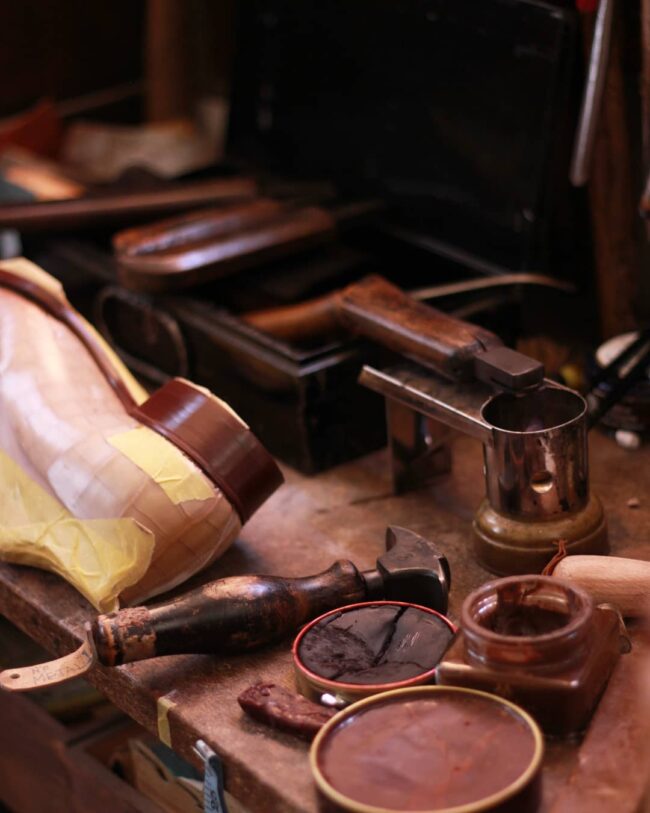
Sole Survivors: How the Internet Is Saving Bespoke Shoemaking (Pt 1)

When it comes to menswear history, it can be challenging to separate fact from fiction. The two are often intertwined in vanity books and marketing pamphlets, and these stories persist because they help companies sell clothes. The best accounts are rooted in primary sources, such as newspaper articles, archival records, or oral histories from reliable voices. Housed within the four brick walls of the London Metropolitan Archives, a public research center specializing in the history of London, are the dusty archival order books once owned by Peal & Company.

During the 19th and 20th centuries, Peal & Co. was the largest bespoke shoemaking operation in the world. Their salespeople traveled to various continents to take orders from kings, queens, captains of industry, authors and actors, poets and pioneers, and the otherwise well-heeled. Upon meeting each client, a Peal salesperson would crack open a large leather-bound ledger—charmingly known as a Feet Book to people within the company—and trace an outline of the client's feet on the two blank pages. They would then write the person's name and any necessary notes about the order.

While flipping through Peal's Feet Books, you can see storied names from the 19th and 20th centuries: Henry Ford, Condé Nast, Anthony Eden, John F. Kennedy, Barry Goldwater, Charlie Chaplin, Cary Grant, Fred Astaire, and Gary Cooper, among the many. Since Peal's sales associates typically recorded these names in full, there's no doubt who ordered what. But buried on page 142 of one of the earliest books is a mysterious entry for "Mr. Marx of Berlin." It's estimated that this record was made sometime in the 1870s, which matches when Karl Marx lived in London. A notation on the order says the finished shoes should be delivered to Dr. W. Smith in the intellectual Hampstead area, where Marx was known to ride donkeys and picnic at the time.

Keep reading

Excited To Wear This Fall

For the past few years, I've been doing these posts every season where I talk about what I'm excited to wear for spring/summer and fall/winter. I usually do these at the beginning of the season. This one comes a little late, but on the upside, I get to talk about some new things I've purchased and have been wearing. There are also more links to in-season options. 

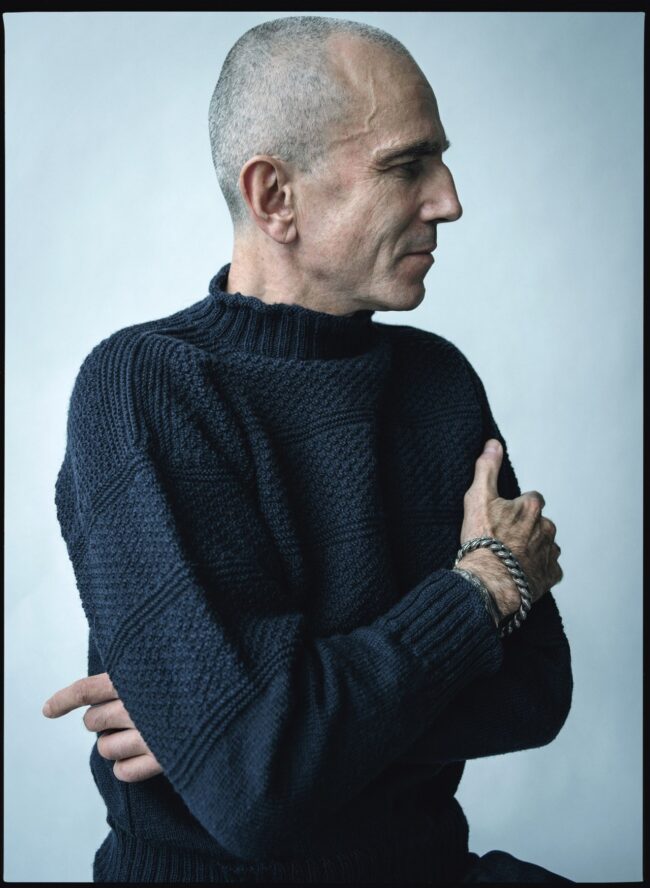
Flamborough Marine Guernsey

Daniel Day-Lewis once said he hates to be "dressed." By which he means, "dressed by others." He rejects the conventional photoshoot routine as an artifice—photographers and stylists carefully dress their subjects in clothes borrowed from fashion labels, often those advertising on the pages next to the celebrity being featured. So when DDL was photographed for the cover of W Magazine a few years ago, he brought with him a small duffle full of his own clothes. His wardrobe that day included a thoughtful mix of styles: a bespoke three-piece Harris tweed suit made by a tailor in New York City, a blue plaid shirt, a white tee, some rugged jewelry, a pair of slim-straight selvedge jeans, a striped Breton pullover, and some rugged work boots he designed himself. "I want to wear soft, comforting, plain things," he told the interviewer. When the article was published, a small line was printed below each photograph, taking the place where brand names would usually appear. Each line read: "All clothing his own."  

Keep reading

No Man Walks Alone Weekend Sale

No Man Walks Alone is an advertiser on this site, but also one of my favorite online shops. I've always felt that guys can build an excellent wardrobe if they simply set aside some money to shop here every season. The store carries everything from classic Italian tailoring to Japanese workwear to even some avant-garde. And from now until Sunday night, you can take 20% off all full-priced items with the checkout code FALL20. Note, since No Man Walks Alone is an East Coast retailer, this promotion runs until 12 midnight Eastern Time. Some things that I think are particularly worth checking out: 

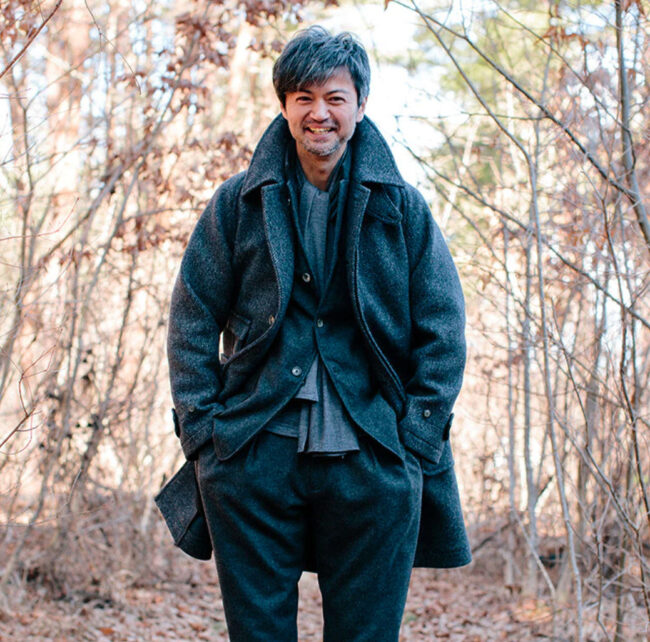
Kaptain Sunshine Traveler Coat

If I had a reduce my outerwear wardrobe to just three staple pieces, I'd keep my Lee 101-J, Margiela five-zip, and Kaptain Sunshine Traveler. Actually, I have two Travelers. I bought one in navy Melton wool a few years ago, and found that I wear it so much, I purchased a lighter version for autumn (the Melton can only be worn in the wintertime). For me, this is the Ultimate Long Coat (ULC). It's the one piece you can always grab from your wardrobe and feel confident about how you look. The coat's power is all in its cut. Kaptain Sunshine's Traveler is roomy and voluminous, comes down to your knees, and has an A-line silhouette. When worn, it covers almost your entire body, effectively making it your whole outfit. I wear it with everything from chunky Inis Meain sweaters and tailored trousers to stained J. Crew sweatshirts and repaired RRL work pants. It's literally impossible to look bad in this thing. No one can do it, not even me. 

Keep reading

How To Develop Good Taste, Pt. 1

Marcel Duchamp once noted in a 1968 interview with Francis Roberts, “If your choice enters into it, then taste is involved—bad taste, good taste, uninteresting taste.” For those fortunate enough to live in post-industrial societies, where choices are now nearly limitless, taste is everything. Taste shapes what we purchase, the cultural artifacts we consume, how we dress, and how we decorate our living spaces. In the 19th century, standards for taste were passed down through aesthetic curricula conceived in formalized education systems. To have a certain type of taste was to show that you were educated and cultivated. Those standards have not been culturally relevant for over two generations, and thus, debates about taste take place everywhere. They happen in public spaces such as public transport, cafés, and boutiques, where people speak in hushed tones about other people's consumer choices. They also happen on social media and online forums. On Hacker News, a message board for tech workers, people discuss what constitutes a tasteful wardrobe. On subreddits and Facebook groups dedicated to topics wholly unrelated to fashion, such as motherhood and accounting, people post fit pics for feedback. Godwin's Law asserts that all online discussions, no matter the topic or scope, eventually result in someone comparing their opponent to Hitler. There should be a similar adage for how all discussions eventually lead to matters of taste. 

Yet, despite all the interest in taste, few people ask the more fundamental questions: What is good taste? How do you cultivate it? If you’re just starting to build a better wardrobe, how do you adjudicate between the different and often contrasting styles prescribed by hard-nosed traditionalists, Hypebeasts, gothninjas, workwear enthusiasts, and the avant-garde? Discussions about taste frequently take too much for granted, as though the laws governing aesthetics were chiseled into stone tablets. Or they fade into unhelpful aphorisms, such as “to each his own,” at which point participants all quietly drop the subject, not wanting to ruffle feathers. 

I've been thinking about taste a lot in the last few months. Fifteen years ago, if you were interested in classic tailoring, online debates about taste were settled with a scan from Apparel Arts or a photo of how an Italian industrialist dressed during the 1960s. Today, few people care about classic tailoring, and such specialized source materials hold little authority. In recent years, the scope for what we consider "legitimate taste" has widened to include a broader cross-section of society (a good thing). However, it has also become harder to critique ugly outfits (a bad thing). It's also harder to discuss aesthetics, as menswear has become balkanized, and The Discourse is increasingly about how to shop, not dress (a frustrating thing). So, I wanted to write a multi-part series on how to develop good taste. The first part is about theory; the second part is about practice. To be sure, this series will not settle any debates. But hopefully, it will give people better footing when discussing what lies at the heart of menswear: our taste in clothes.

Keep reading

A Look at Brendon Babenzien’s Debut J. Crew Collection

Twelve years ago, J. Crew menswear designer Frank Muytjens and his team debuted their FW10 collection at New York City's Milk Studios. There was a lot of anticipation in the run-up to this event. At the time, J. Crew had become one of the more visible faces of the heritage menswear movement and had just opened the doors to their menswear-only Liquor Store. On this day, they served journalists Dark 'n Stormy cocktails to loosen up the mood before bringing out a procession of models. The models, who stood atop distressed wooden shipping pallets, wore slimmed-up Donegal suits, raw denim jeans, puffer vests, chambray work shirts, and waxed cotton field coats. Scarves and thin neckties adorned every neck; many ankles were left bare. Some models wore so many clothes that the jacket buttoning points strained from the layers piled underneath.

If you weren't following menswear blogs at this time, you might have missed how significant this moment felt. When photos of the presentation hit blogs such as A Continous Lean and Secret Forts, people went nuts. Nearly everyone could see themselves buying something from J. Crew—if not mainline, then at least one of the In Good Company partners such as Alden and Barbour. Before menswear became splintered into a thousand different factions, everyone talked about this one thing. Whether you were new to menswear or a seasoned pro, whether you had thousands to spend on a wardrobe or only a few hundred dollars, everyone could find something that made them excited. I once called this "menswear's last big moment" because of how it felt so uniting. 

Much has changed since that day's presentation. J. Crew's gingham shirts have become a punchline, inspiring an Instagram account lampooning people who wear them. Prep has been declared dead thousand times over. In May 2020, J. Crew filed for Chapter 11 protection in federal bankruptcy court for the Eastern District of Virginia, making them the pandemic's first major retail causality. Additionally, menswear has been fragmented into countless bits. The middle of the market has thinned out, and everything nowadays is either high-fashion or fast fashion. Micro-communities allow people to play and stay within very niche aesthetics. To the degree that there are still trends, they are no longer about the earnest, flannel look that J. Crew once championed. We've seen Italian tailoring, Hedi's appointment at SLP, the rise of streetwear, normcore, dadcore, Demna's appointment at Balenciaga, the return of 1970s sleaze, and so forth. The market today is much more dispiriting for guys who are just getting into menswear. Everything is either too expensive or alien. If you shop at financially and conceptually accessible brands such as J. Crew, the most you'll get is a half-hearted shrug from fellow jawnz enthusiasts.

Keep reading

Colorful Conversation With Stòffa

Over the summer, I thought I should buy some long-sleeved polos because I was tired of ironing my shirts. When I browsed online at some of my favorite shops, I faced a digital wall of seemingly endless options. Every shop had Italian pique cottons and soft jersey knits in a range of Pantone colors. Many of these colors were given names that sounded like bite-sized plates on an expensive Brooklyn bar menu: dark guava, dried fig, hazelnut, burnt acorn, and plum. I wanted to be more adventurous and break out of my routine of only wearing light blue and white shirts, but I wasn't sure how. These polos were expensive, and I wanted to choose the right colors. 

Some of the greatest minds have written about the sources and uses of color. Aristotle believed that colors were related to the four primary elements -- earth, wind, fire, and water. That theory held for more than two thousand years until Newton found that light breaks up into distinct colors when passed through a prism (this is the ROYGBIV of colors, also known as The Dark Side of the Moon). Yet, for all the theories, we still don't have many good ideas for how to incorporate more interesting colors into a wardrobe. Much of men's dress follows a formula: jeans are blue or black, shirts are white or light blue, shoes are black or brown, etc. When building a wardrobe, it's easier to stick to colors such as navy, brown, and white because they play well together, making it easier to get dressed in the morning. 

But what about the more exciting colors -- mauve, celadon, or ochre? To get some ideas, I talked to my friend Agyesh Madan, co-founder of Stòffa. Agyesh and his team put together some of the most beautiful online presentations I've seen from any brand, big or small. I also find their use of colors compelling: the styles are subtle and subdued, but there's always a sophisticated tweak here or there in how they vary their shades. To me, this is more interesting than just splashing purple shoes or bright orange parkas into an outfit. So I chatted with Agyesh on the phone a few weeks ago about how to use color in a wardrobe (secretly trying to ply some info for my polo purchase). 

Keep reading