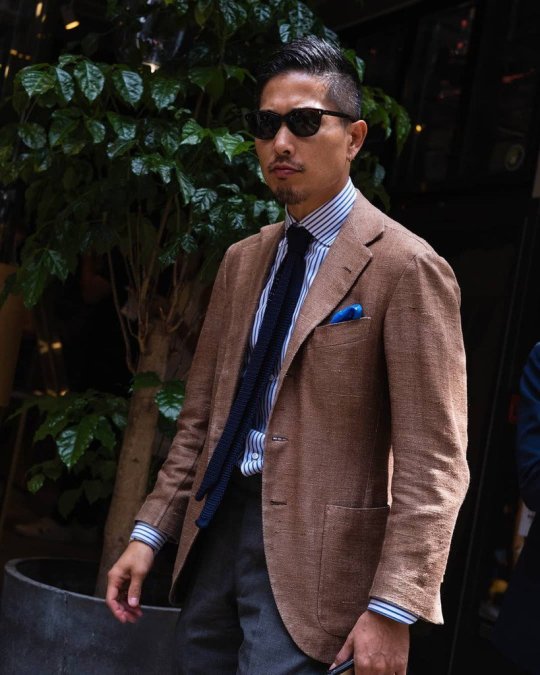
How We’ll Remember This Decade
The end of the year always brings some reflection on what’s happened. The closing of this year, however, is special because it marks the end of a decade. So, this past week, I’ve been thinking about what are some of the biggest changes in fashion in the last ten years. Is it about the rise of specific trends, the emergence of certain subcultures, or something else? The more I think about it, the more I think this decade will be remembered not for its looks, but the ways in which we engage with clothing.
I often go back to this 2015 article by Cathy Horyn, where the then New York Times writer suggested that we may have entered a post-trend universe. That is, where fashion used to be cyclical — going from skinny jeans to baggy, and then back to skinny again — it’s now possible for many styles to coexist together. As she puts it, “there is no single trend that demands our attention, much less our allegiance, as so many options are available to us at once.” She credits this to social media, the ability of brands to create their own universe, and a greater acceptance for diversity in dress in general. An excerpt:
Throughout the 20th century, the way women dressed was governed by trends — from the hobble skirt of the 1910s, a Paris invention that spread to small cities and was ultimately sold by Sears, to Dior’s radical New Look of 1947, to the ’60s miniskirt. But for lots of reasons, mostly to do with economics and, inevitably, the Internet, the industry has moved away from that model. The last big trend that I can recall, one that started on the runway and exploded among mainstream manufacturers, was the hospital-green cargo pants that Nicolas Ghesquière made for Balenciaga. That was more than a decade ago.
Keep reading