New Space for Refined Casualwear


The loss of the coat-and-tie uniform in the last fifty years has meant more than the loss of formality. It’s made it harder for men to know how to dress. The brilliance of traditional tailoring is that anyone can look good in a suit – provided you have a reliable tailor and are willing to follow some simple rules. But as dress codes have broken down and people everywhere are dressing more casually, it’s become harder and harder to wear tailored clothing. The New York Times tells us that we live in a more liberated world where people can dress however they want – swapping clothes in and out as freely as their emotions swing – but I’ve argued that things are nearly just as constrictive as they were in the 1960s. It’s just that instead of hard written dress codes, we have softly coded dress norms – things that define how men should dress, but are never spoken of and can only be understood through inference. 

I think this is why so many men have a hard time figuring out what they want to wear. They find suits and sport coats too formal; Americana and workwear too rugged; designers such as Dries and Margiela too avant-garde. Yet, they also know that an oxford button-down worn alone with flat front chinos lacks verve. Casualwear can be frustrating because it’s nebulous – it’s more about dressing according to emotions, rather than rules, and a lot depends on your personality and lifestyle. 

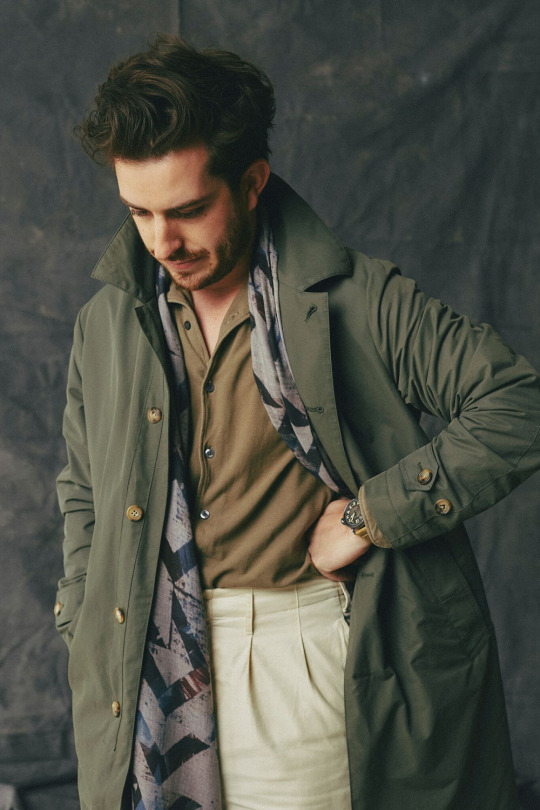
In the last few years, however, I’ve noticed a new space emerge for guys who want a more casual version of classic style. I think of it as reinvented Italian sportswear. Think of Stoffa’s made-to-measure bomber jackets, which are designed to be worn with tailored trousers in lieu of a sport coat. Or Eidos’ range of textured Arans with interesting necklines, unconstructed topcoats, and lounge-y cardigans. Similarly, Camoshita has remixed Italian style and Ivy classics for men who want something contemporary, refined, and smart. 

Keep reading

Finding the Perfect Rain Boots

image


There’s a famous story about Sir Edmund Hillary and sherpa Tenzing Norgay’s boots, which they commissioned a year before their ascent up Mount Everest. Back in the 1950s, mountaineering boots were often cumbersome. Many were bulky and heavy, made of thick deerskin leather, and some even came up to the wearer’s thighs – not the kind of boots you’d want for the most challenging mountaineering expedition. So Hillary and Norgay approached SATRA, a British research and development center, about coming up with something that was lighter. As they knew then, a pound on your foot can feel like five pounds on your back. At least when you’re scaling a mountain.  

The resulting boots were made using mostly natural materials and some of Britain’s oldest shoemaking techniques. They featured a reverse welt to keep the melting snow from seeping into the boots, and a Tropal-leather insole to allow sweat to dissipate. The uppers were constructed from a Latex-coated glacé kid leather, which was chosen for its weight. Finally, for insulation, the interior cavity was filled with kapok, a natural hollow fiber (the boots had to be specially lasted in order to not crush the material). In the end, the boots weighed two and a half pounds lighter than what the Swiss had worn in 1952. They were the mountaineering equivalent Nike’s Flyknits, and no one who wore them got frostbite – a remarkable achievement. 

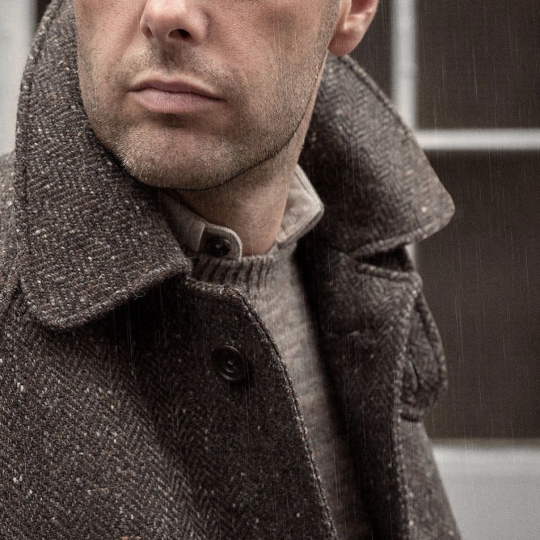
Few of us will ever face such conditions, let alone stand on top of the world like Hillary and Norgay, but there’s something satisfying about having the exactly right clothes for the weather. During the early weeks of spring, when the weather is stormy, that means a few things. A couple of raincoats for different levels of formality, some insulating sweaters, and a reliable umbrella that won’t invert at the slightest hint of wind. Finally, a pair of rain boots that you don’t mind mucking up. 

Keep reading

Five Relatable Style Lessons

image


Even with the explosion of online media nowadays for men’s clothing, it can be a challenge to find good, relatable content for how to wear a coat-and-tie. Much of what’s celebrated online is too aggressively styled for most offices – tightly cut suits, heavily patterned fabrics, and unusual accessories. Great for Instagram and menswear blogs, but less so for the day-to-day grind of most people’s lives. 

Which is why it was such a pleasure for me to talk with Mr. Kazuto Yamaki. He’s the CEO of Sigma, a Japanese manufacturer of camera lenses, flashes, and other photographic accessories. He’s also an exceptionally well-dressed public figure, but so far removed from the world of menswear blogs that I had to try a few times to convince him that I was not, in fact, joking when I said I wanted to interview him about how he dresses. 

Much of what Mr. Yamaki wears will be familiar to anyone who reads this site – softly tailored Italian-influenced suits and sport coats, paired with tastefully designed ties and solid colored dress shirts. Where I think he makes a distinction is that everything looks relatable, something you can wear to most offices today. It’s thoughtfully considered without being obsessive; informed without nit picking. And in being so, it looks more naturally put together. 

Keep reading

That Sleepy British Look

image


No one in the fashion industry ever admits to being in the fashion industry. For all the designers and tailors I’ve spoken to over the years, I’ve found they all say the same thing – they’re not interested in fashion, they don’t follow trends, and they’re about making things that last. That’s true whether they’re hand tailoring three-piece suits or slapping together the cheapest possible black double rider. 

No brand, however, embodies the anti-fashion ethos more than S.E.H. Kelly, a micro-sized brand run by just two people – Sara E. H. Kelly, after which the company is named, and her partner Paul Vincent. Their collections are small, albeit growing, with just a few designs and some basics to accompany them. There are some mid-weight, medium-wale corduroy shirts, including some pullovers with unusual collars, as well as subtly pleated trousers with buckle-back and side-tab details. The stars of the collection tend to be in outerwear, where you’ll find trench coats made from stealth-quality Ventile cotton, as well as raglan-sleeved Balmacaans constructed from the loveliest Donegal tweeds. 

Their collection mostly stays the same from year to year, with a new design dropping once in a blue moon. "When Sara and I started the company, we wanted to do this on an ‘as-and-when’ basis,” says Paul. “Meaning, as we develop new patterns and when we find interesting cloths. Five years ago, we only had three jackets, and the following year, we didn’t have anything new, so we reintroduced the old designs in new fabrics. Now the collection is growing, so we occasionally rotate things in and out, but we still mostly make things with slight updates.”

Keep reading

On Developing Personal Style

image


So, I’ve been working on a two-part series for Put This On (for those who don’t know, most of my writing is there). The posts were inspired by an online Vogue article I read earlier this year. Apparently, fashion editors are just like the rest of us. Despite having closets overflowing with options, they mostly rely on the same things for their day-to-day routines. An excerpt:

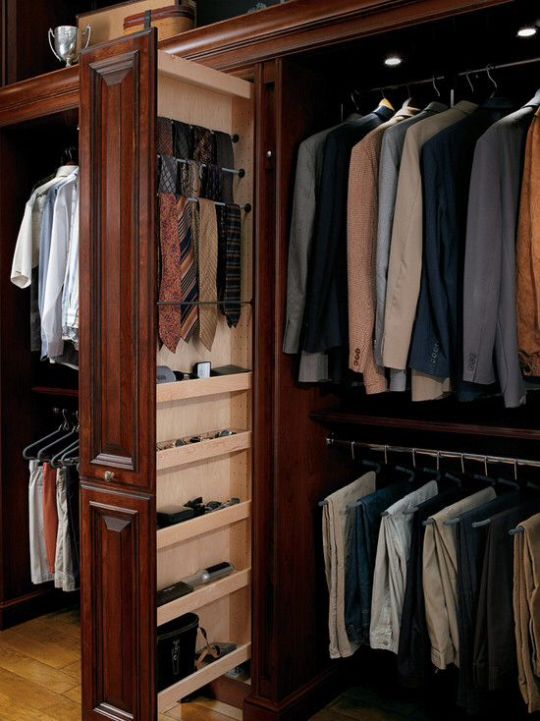
Like an exploding volcano of denim and satin, a tidal wave of cashmere and cotton, our clothes threaten to overtake our tiny apartments, to bury us alive under tees and trousers. This wouldn’t be so bad, maybe, if we actually wore all this stuff, if 365 days meant 365 different outfits—730 if we changed for evening! But nooo. In fact, most of us rely on a few favorites in serious rotation, leaving the rest of the orphans in the closet begging for crumbs.

To judge just how severe this situation has become, and with spring in full flower and the temptation to buy still more!—more!—beckoning from every shop and laptop, I asked some of my Vogue colleagues to share with me what it is they actually wear from their bursting closets.

Keep reading

Drake’s Drops New Fall Lookbook

image


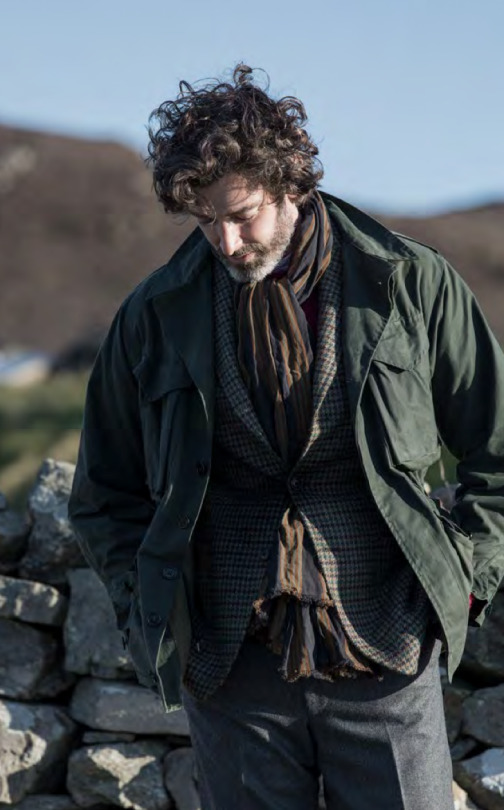
Just as cloudy skies on Groundhog Day predict an early spring, Drake’s autumn lookbooks are a reminder that cooler days lie ahead. This year, the team shot their collection in the Shetland Islands. Which is fitting given how prominently their brushed Shetland cable knits feature in this lookbook. Thick sweaters in sapphire blue, canary yellow, and scarlet red serve as cheerful accents to otherwise drab ensembles made of prickly tweed, napped flannel, and waxed cotton. “We really went in on the knitwear this season,” says Michael Hill, the company’s creative director. “They’re made in the Shetland Isles by people who love what they do.” 

Ever since Drake’s expanded beyond their core line of ties and pocket squares, such collaborations have been an important part of their business. Belvest, where founder Michael Drake once work, makes the company’s sport coats in Italy. Blackhorse Lane Ateliers sews Drake’s jeans in London (those are the best jeans I’ve found to wear with sport coats). Last season, Drake’s also collaborated with the Japanese dyeing house Buaisou to produce a limited range of hand-dyed, indigo, cashmere-and-wool scarves

This season, they’re continuing with new collabs. One of my favorites is the viscose-silk blend scarf you see above, which was made in Northern Italy. “It’s our take on the college scarf,” says Michael. “The fabric has a lot of texture, so you don’t have to be too precious with it. The more crumpled and disheveled it looks, the better.” Drake’s also went to India to get these cashmere scarves woven in classic madras patterns. The irregular fibers give the twill weave an unique texture. Michael tells me they’ll continue with that collaboration next spring, but with brighter colors and lighter weight yarns.

Keep reading

Why Buy Handmade Goods?

image


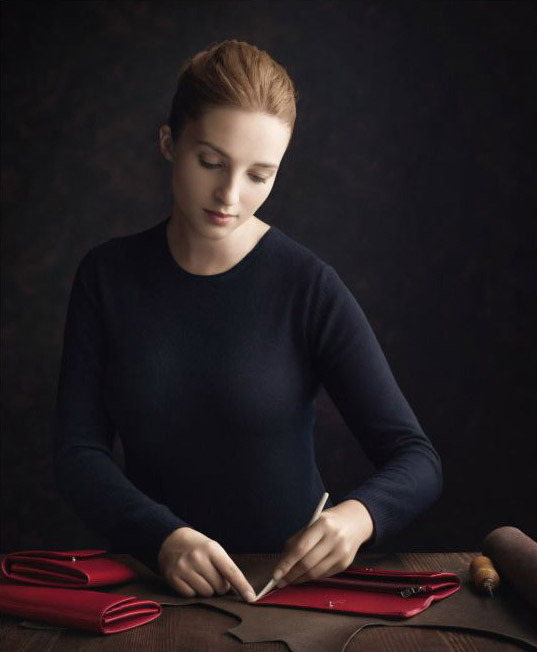
In the spring of 2010, the U.K.’s Advertising Standards Authority banned two Louis Vuitton print advertisements because they suggested the company’s products were handmade, when in fact they were not. The ads showed two softly illuminated women acting as master artisans (they were oddly in their mid-20s, by the way). In one image, a women is pictured saddle stitching a bag’s handle, while in another, a woman makes a fold on a wallet. Underneath, the copy reads: “A needle, linen thread, beeswax and infinite patience protect each overstitch from humidity and the passage of time […] With so much attention lavished on every one, should we only call them details?” The other says, “What secret little gestures do our craftsmen discreetly pass on? Let’s allow these mysteries to hang in the air. Time will provide the answers.” The images strangely looked like Johannes Vermeer’s paintings from the 17th century. They felt quiet and serene, and evoked a sense of old European craftsmanship that Louis Vuitton would have you believe goes into their mass-market bags.

On the one hand, these might not seem too different from ads with Photoshopped models and carefully staged settings. On the other hand, the issue of craftsmanship is much more tangible than brand imaging. People consciously make decisions on whether they’ll purchase something based on how it was made, and it’s commonly believed that handcrafted goods are better made than machined ones.

Is there something special about handmade goods, however? Many have thought so. The signs of handwork are a craftsman’s fingerprints, and people have valued craftsmen at different times for different reasons. Greeks and Romans thought of human labor as heroic. Hesiod’s Works and Days and Virgil’s Georgics, for example, portrayed human labor as divine and glorious. Additionally, painters in the 17th and 18th centuries often depicted people finding quiet satisfaction in their labor, and thinkers during the Enlightenment saw craftsmen as emblems of human individuality. Manual labor was placed as being equal to mental labors, and useful work was thought to be the driver of human progress.

Keep reading

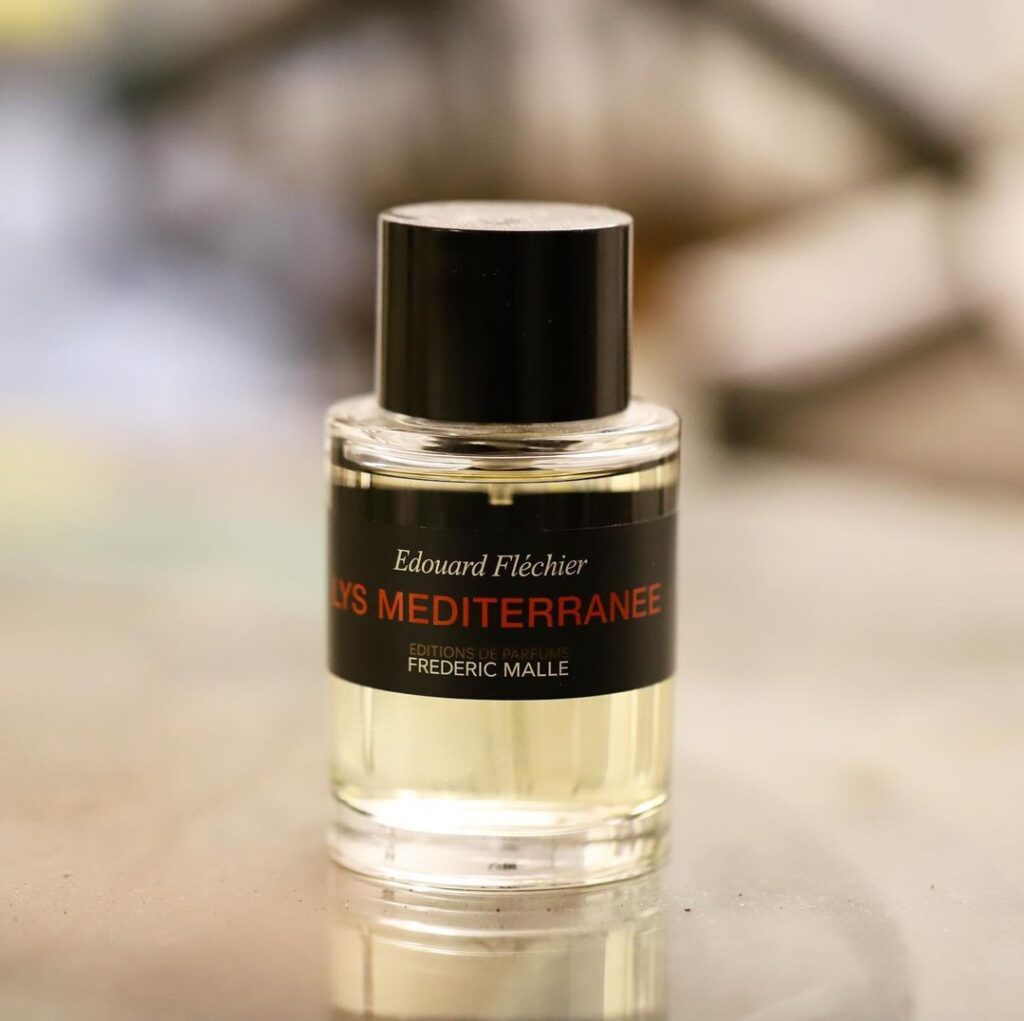
Frederic Malle, The Scent of Summer

Even people who say they don’t like fragrances will use them a dozen times a day. Fragrances are in our shaving products, creams, lotions, antiperspirants, shampoos, etc. I’ve always thought this is one of the reasons why fall/ winter scents can be more interesting, but spring/ summer fragrances are easier to wear. Whereas cooler weather scents rely on notes such as woods, spices, and leathers, their warmer weather cousins typically revolve around citruses. Think of the citrus-wood accord of Terre d’Hermes or the citrus-aquatic pairing of Creed’s Green Irish Tweed

Citrus smells fresh and clean, which is why it’s instinctually appealing and used in everything from mouthwash to detergents. When you come across mainstream, designer fragrances, you’ll often find citrus packed into the opening, even if the molecules mostly disappear after fifteen minutes. Manufacturers know people make their purchase decision within minutes of testing a scent on a paper strip. Few will ever spray the fragrance on their skin and see how it develops over time – they just need to smell that bright citrus in the beginning to pull out their wallets. 

I like citrus-based scents, but one of my favorite fragrance houses this year is Frederic Malle, who I think does warm weather scents especially well. And their fragrances are a lot more nuanced than just citrus. 

Keep reading

The Bridge to Bespoke Shoes

image


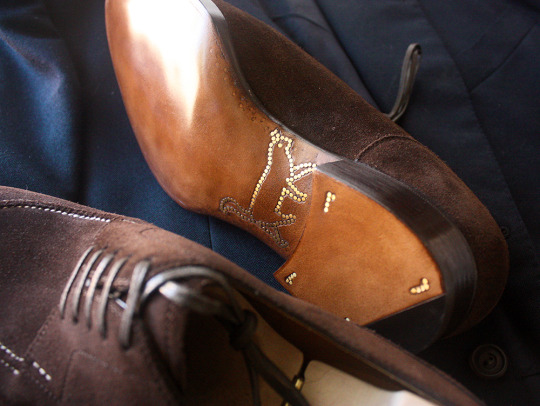
These cat-monogrammed split-toes may be the best and most ridiculous thing I’ve ever bought. They’re from Saint Crispin’s, which has become one of my go-to companies for dress shoes. For years, I’ve always considered Edward Green to be my favorite label for footwear. Like Drake’s, their batting average in terms of design is exceptional, which means you can pick almost anything from their catalog and be assured you’ll look great. Getting a good pair of shoes from Saint Crispin’s, on the other hand, takes a bit more deliberation, but you can also wind up with something more unique. 

I think of Saint Crispin’s as the bridge to bespoke – sitting halfway between ready-to-wear and something truly custom. A lot of it is about the shaping. Since Saint Crispin’s are handwelted at the front and pegged at the waist, they don’t have the welt you traditionally find on Goodyear welted footwear, which allows their shoemakers to cut the soles closer to the uppers. Coupled with their sleek, foot-hugging lasts, this gives their shoes a kind of shapeliness you don’t see everywhere else. See this post for a comparison of how Saint Crispin’s chukkas compare to a similar pair from Crockett & Jones. The difference is incredible. 

Since every pair is made-upon-order, you can also ask for almost anything you want. That includes the design, which for bespoke firms such as G.J. Cleverley, I find to be half the draw. I recently bought these two split-toes from Skoaktiebolaget (an advertiser here, but also one of my favorite shoe shops because of their great service). I had them modify Saint Crispin’s traditional split-toes with the sort of v-shaped wing you see on the side, going from the apron to the quarters. And as a tribute to my cat, instead of the personalized monogram they normally peg into their waist with brass nails, I had them do an outline of a feline. I can’t take credit for the idea; this customer did it first. 

Keep reading

One More Run of Summer Tweed

image


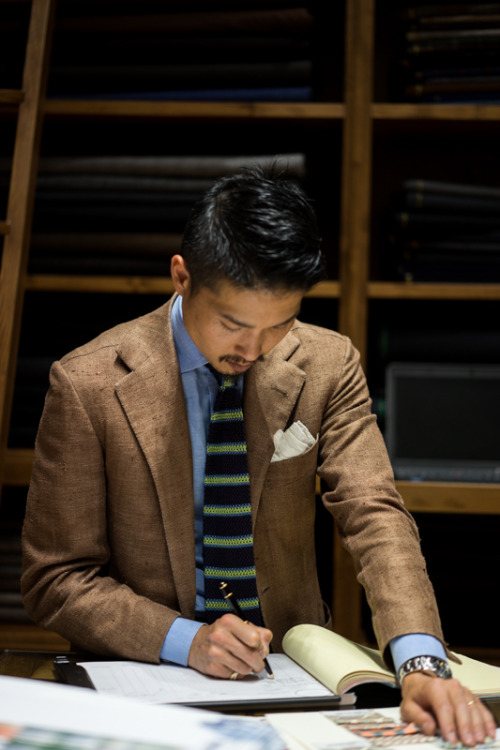
Designing cloth has become one of my favorite aspects of running this blog. It’s great to see a cloth materialize, after months of planning, and then see readers send their lengths to tailors, so they can be turned into suits and sport coats. In the past, I’ve put together special edition runs of tobacco brown Fresco, navy houndstooth Fresco, and a silk-linen blend I call “summer tweed.” The last one is my favorite. 

It’s also apparently a favorite of readers. In the last year, I’ve gotten more emails about this one than any others. Those who subscribed have written in to say how much they like their fabrics (and the resulting jackets they had made). Those who missed out have asked if the cloth will ever be offered again. 

So, I’m doing one more run of this fabric – this time with a special collaboration with Sartoria Formosa (more on that below). 

Keep reading