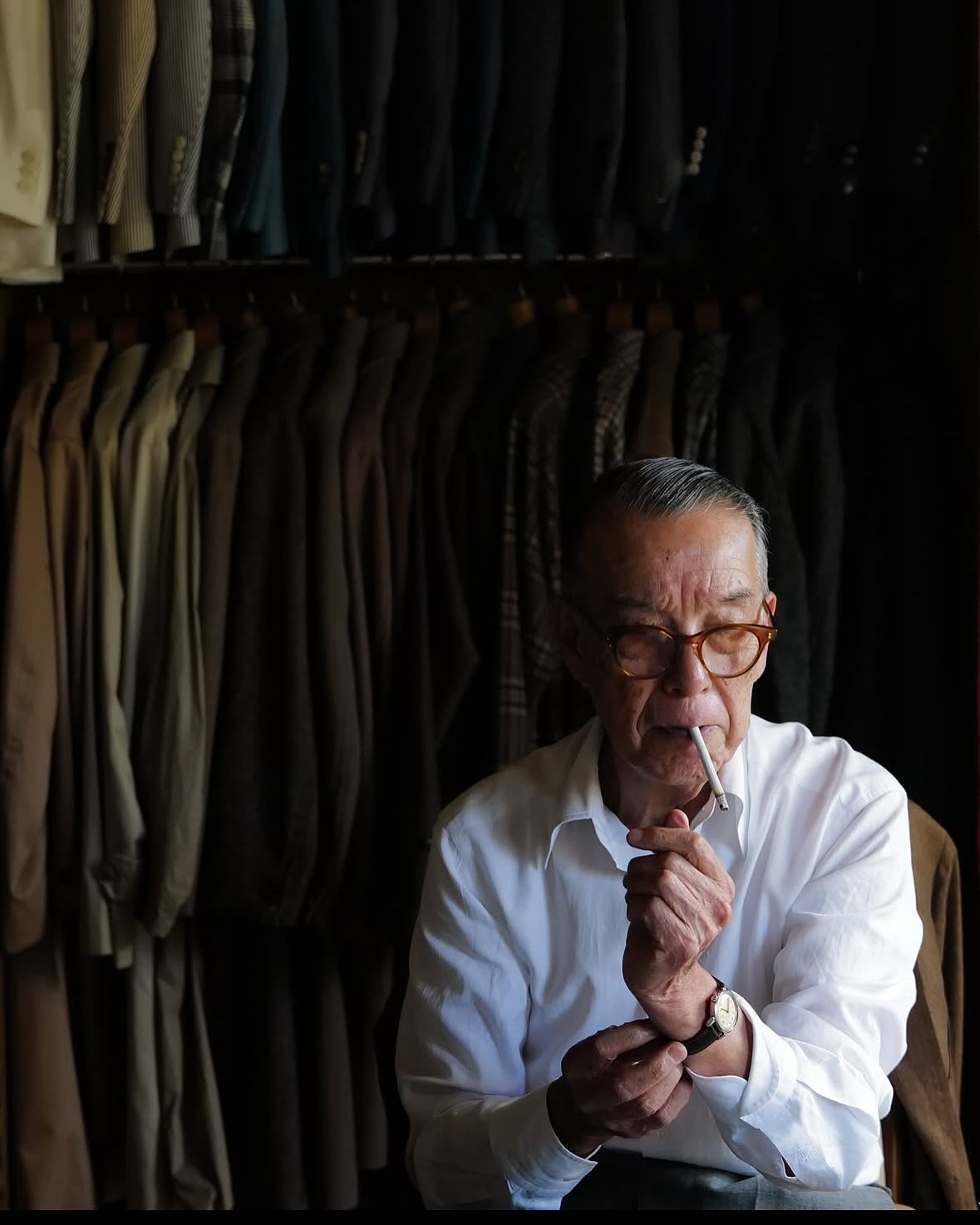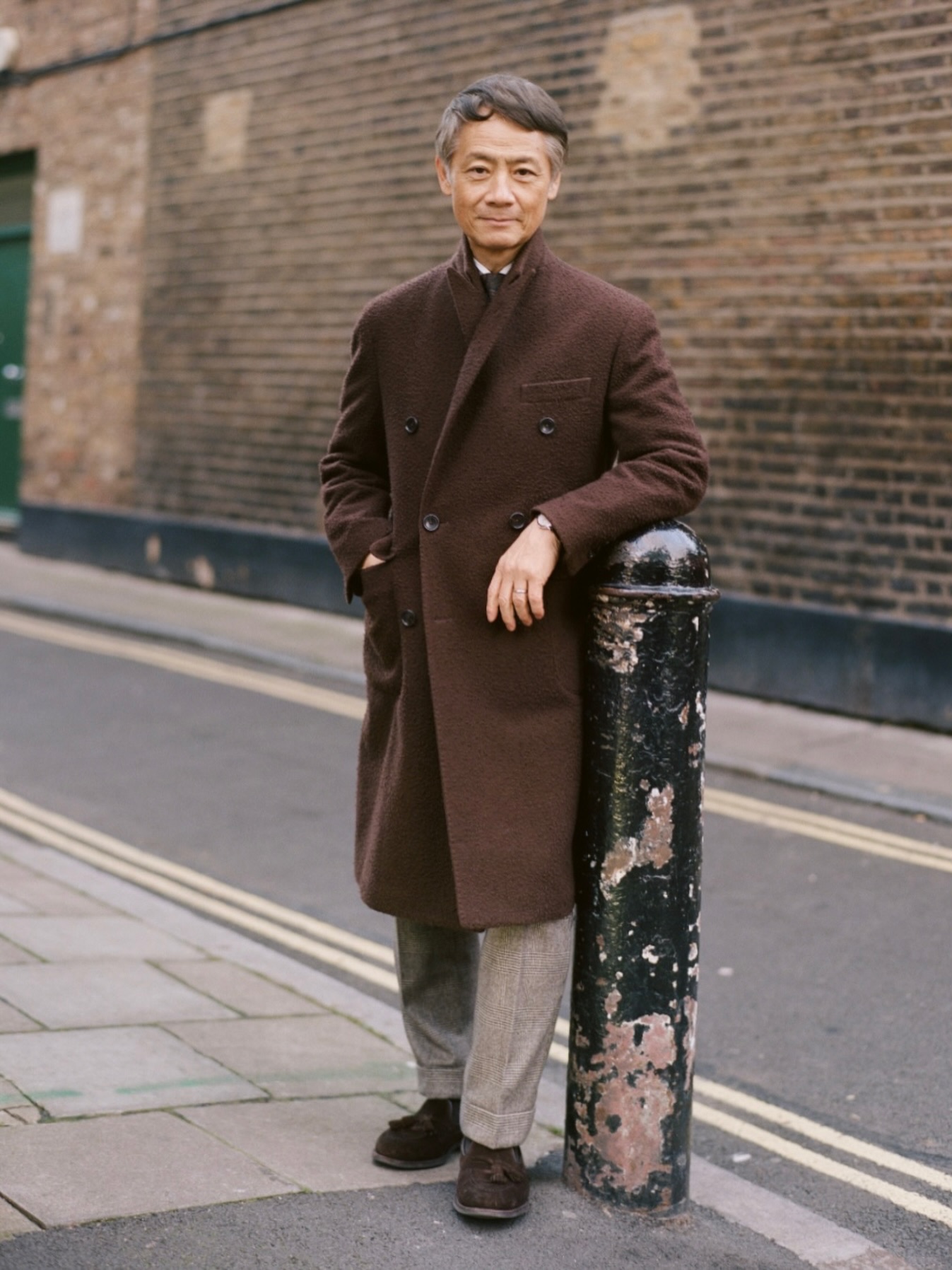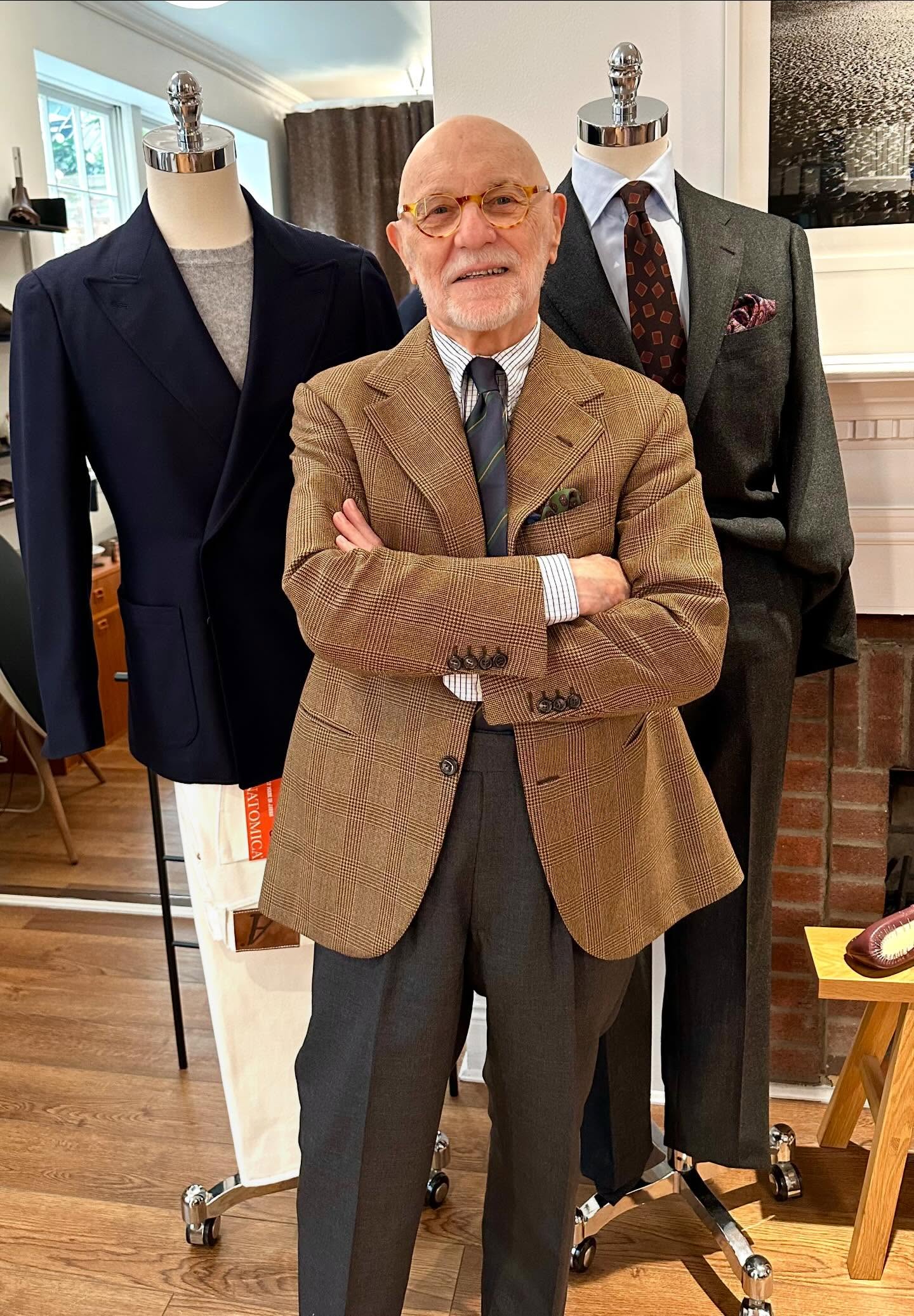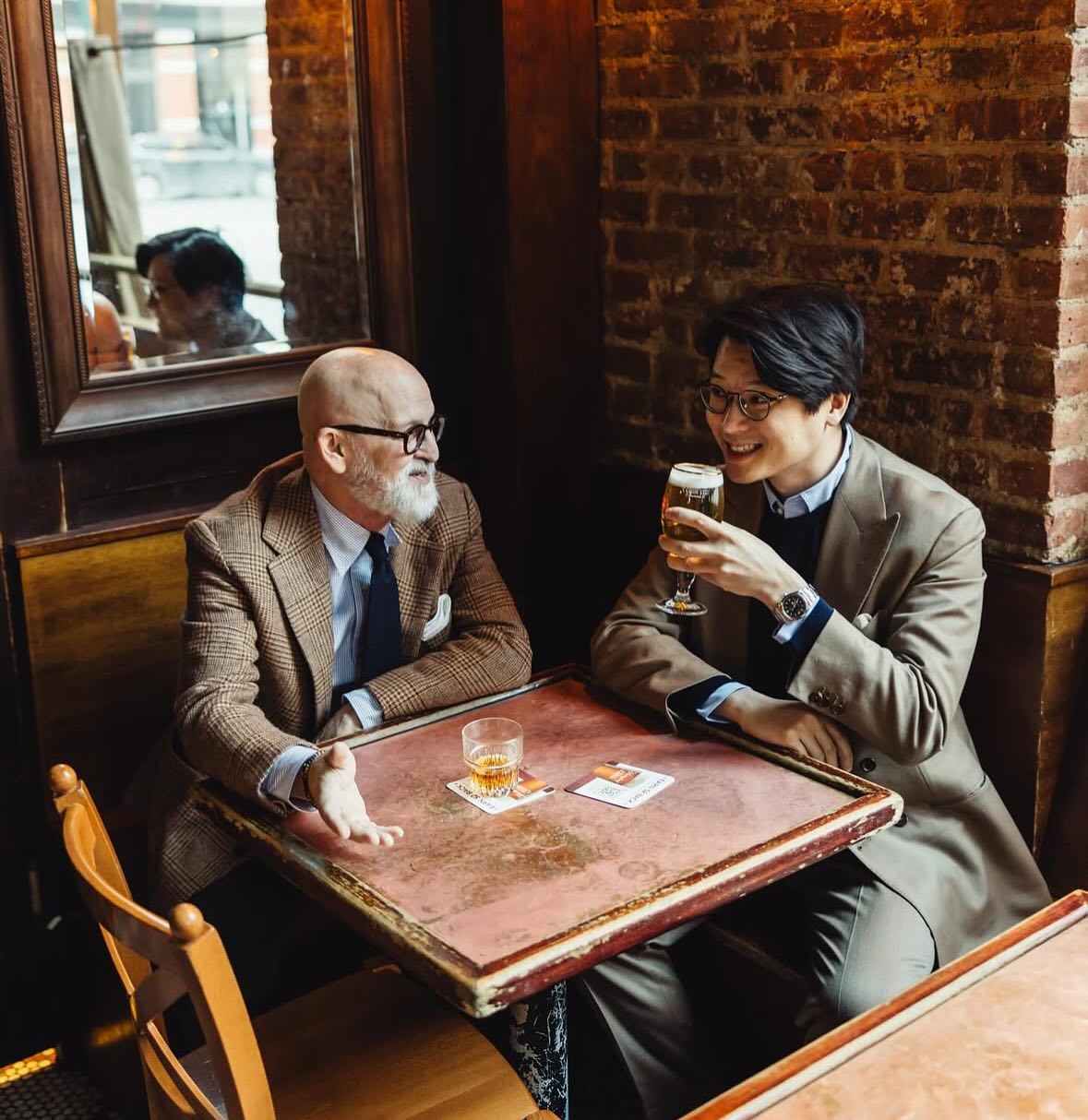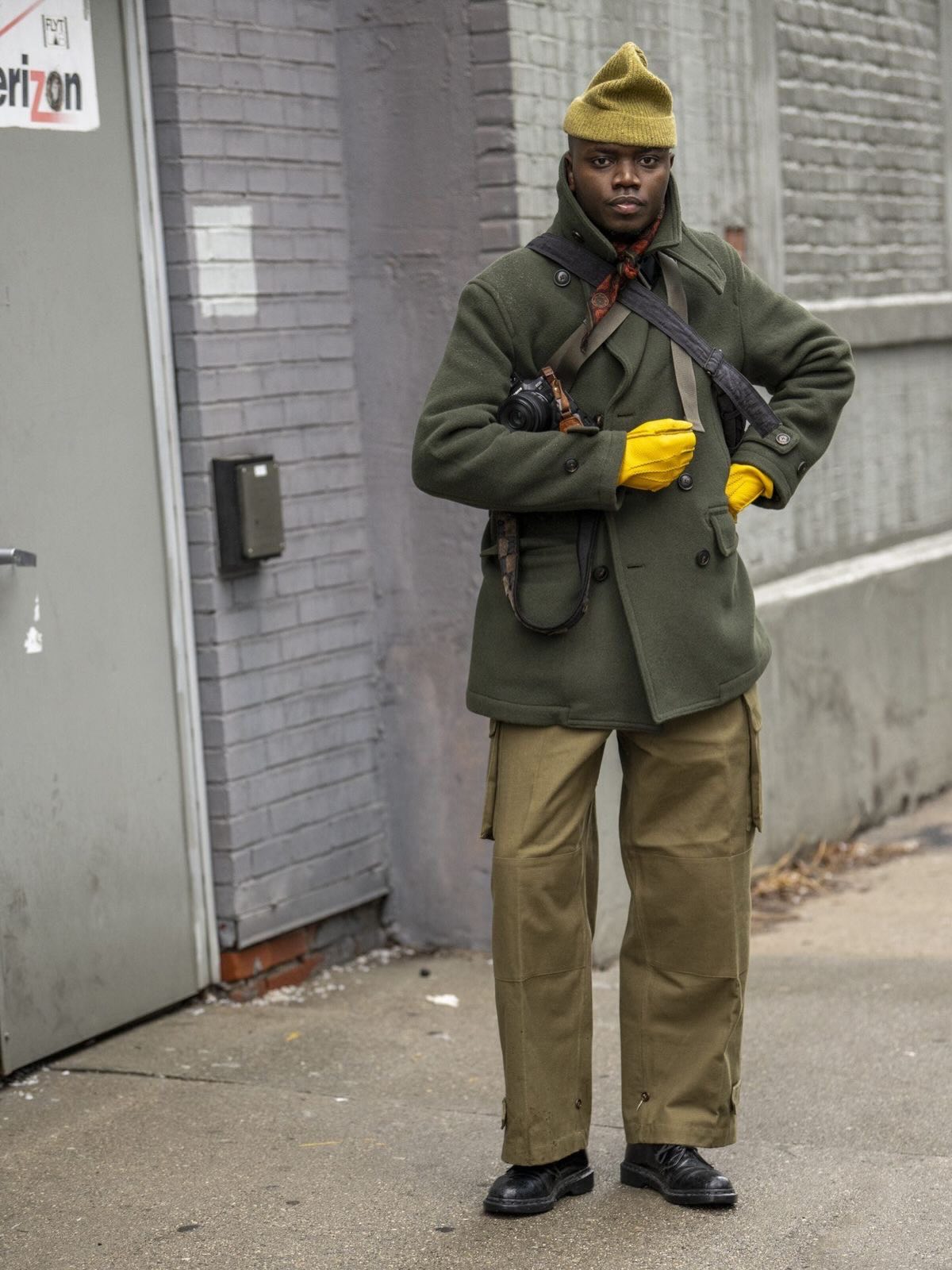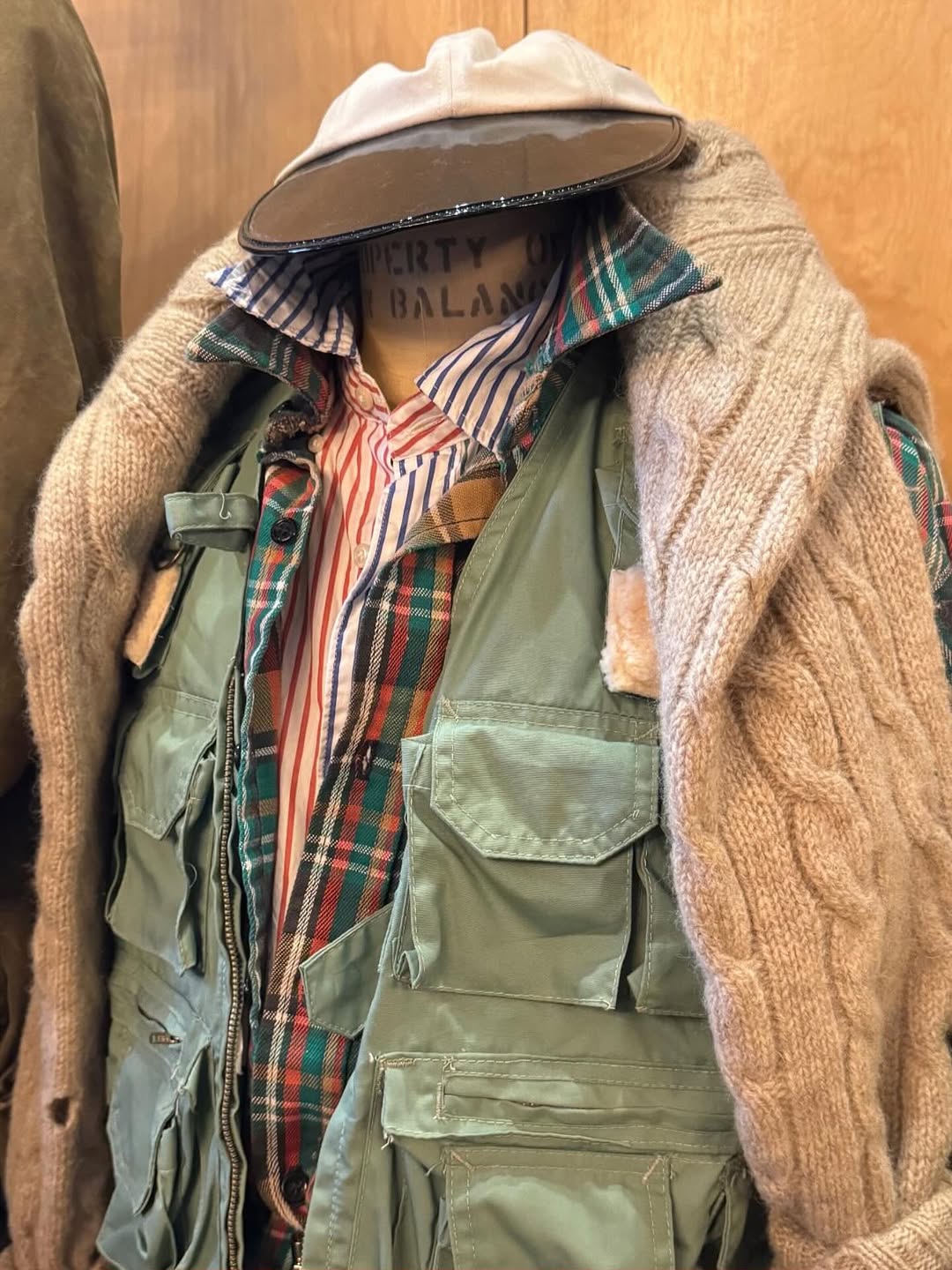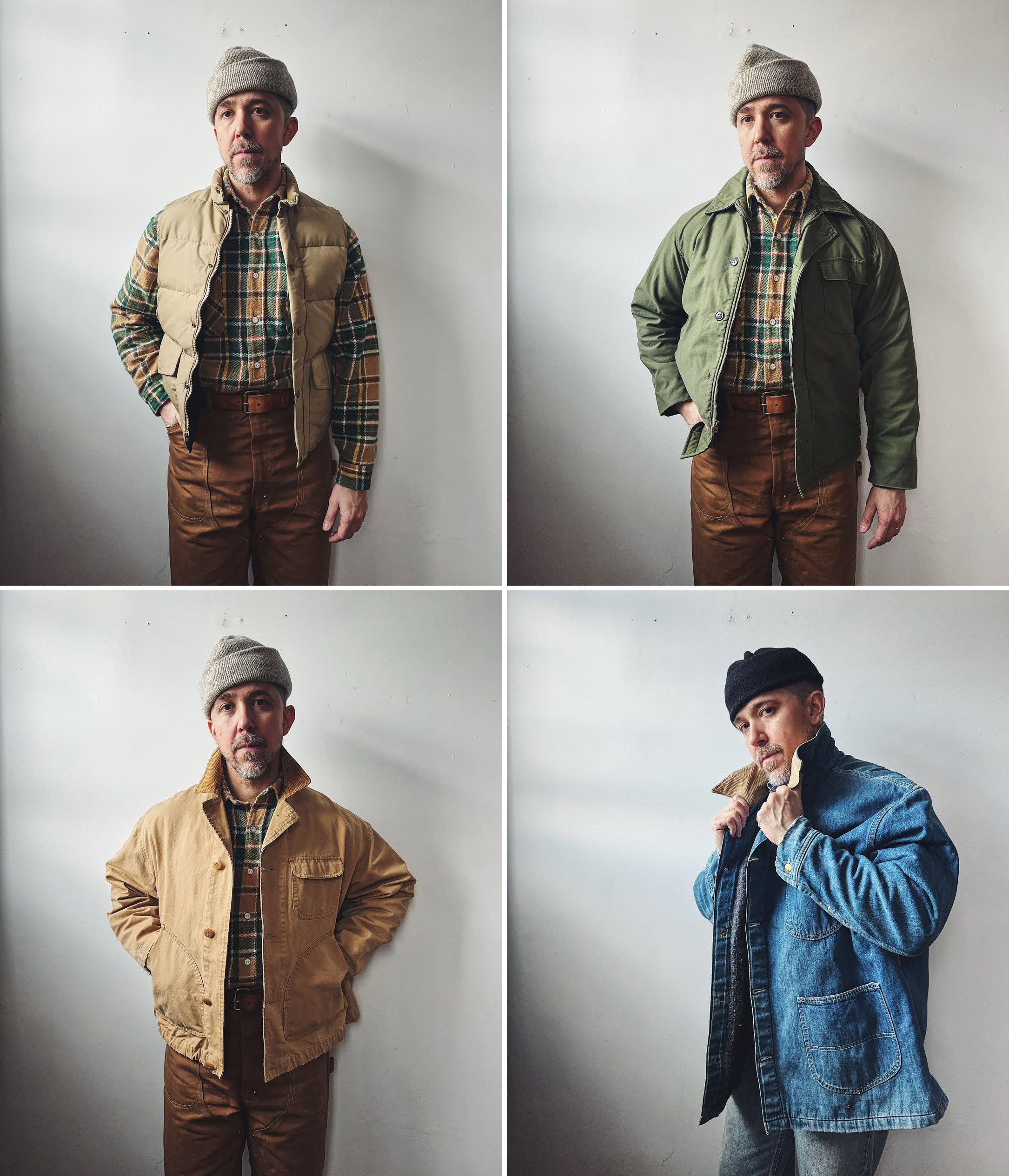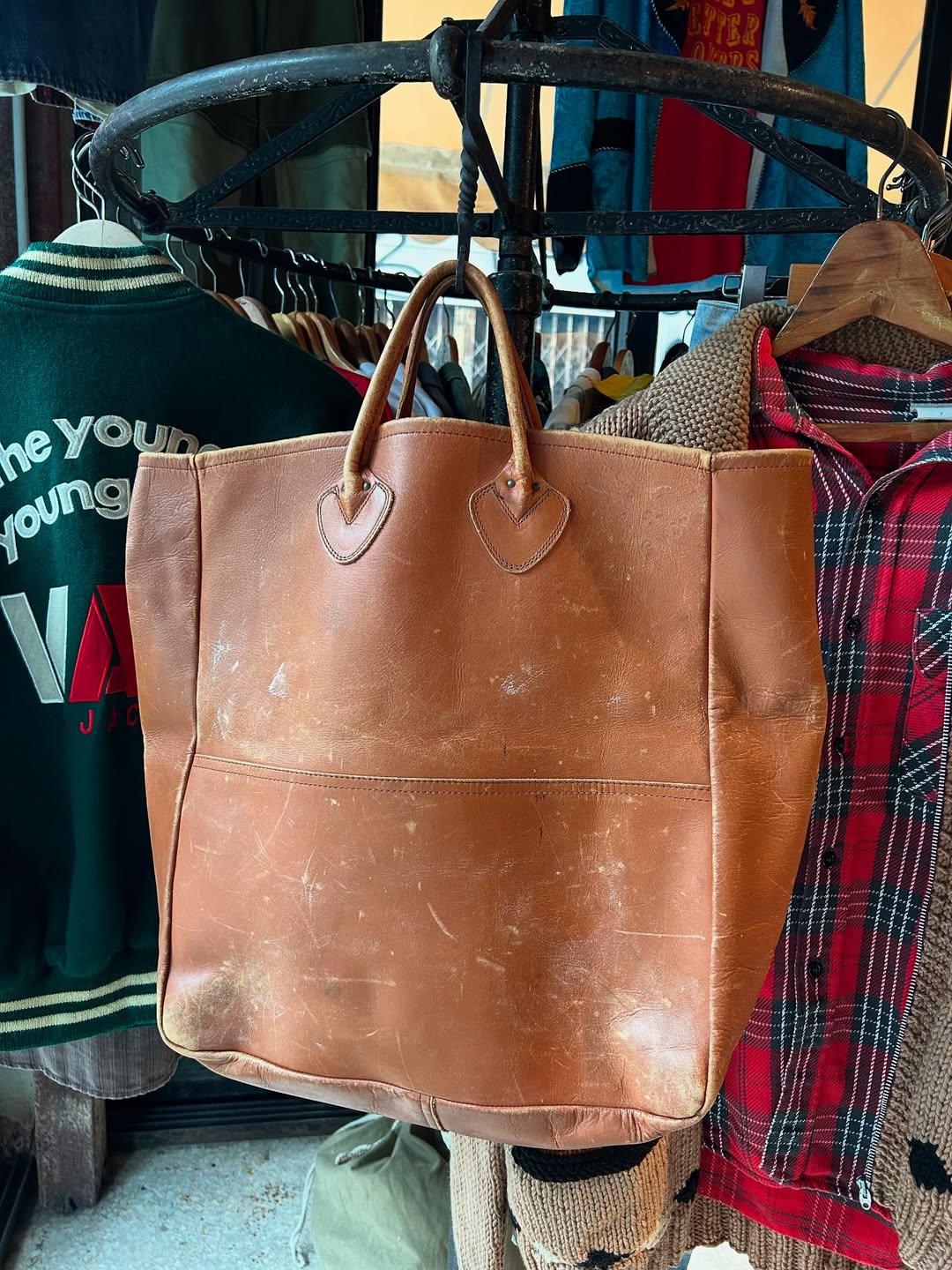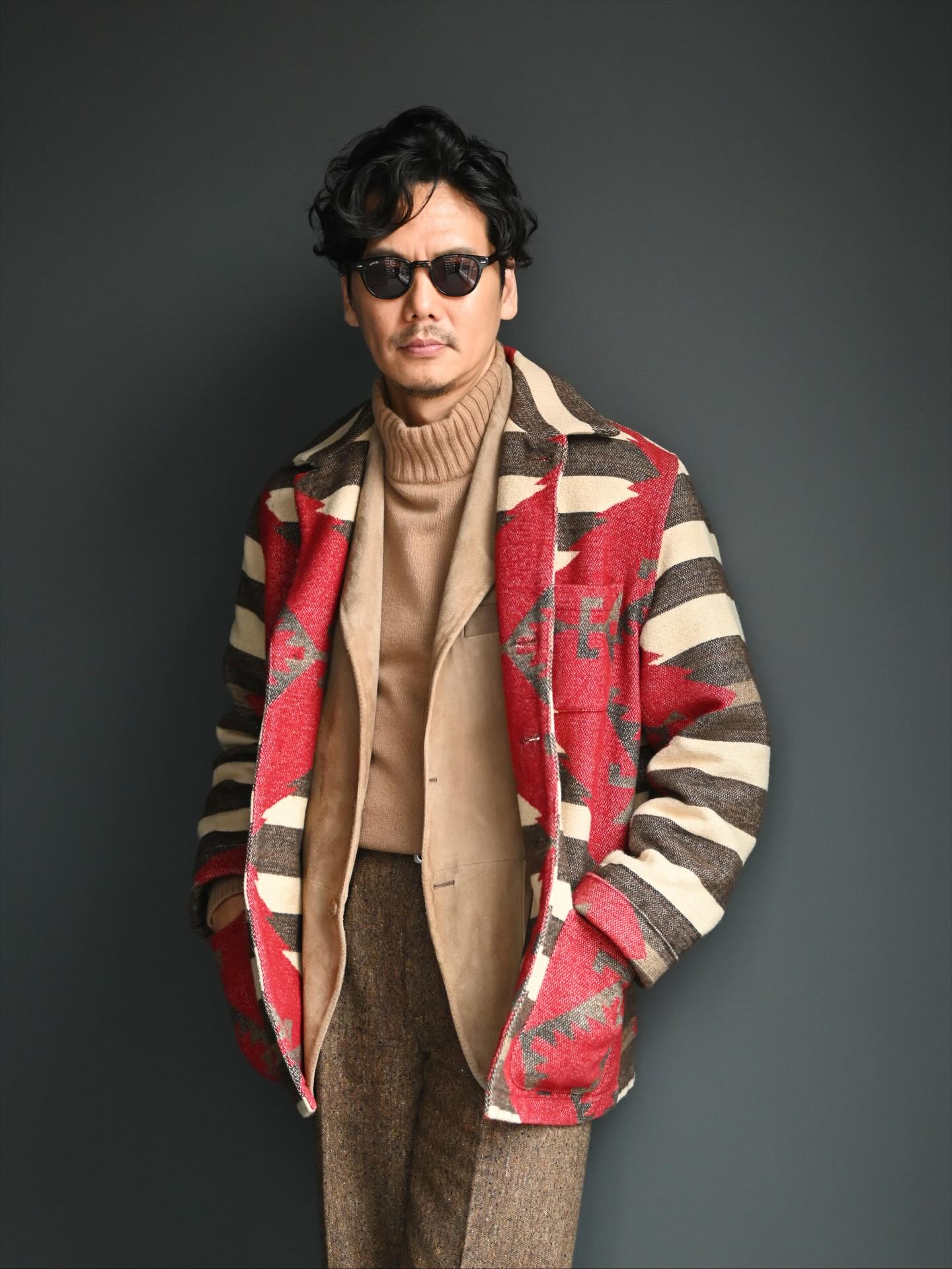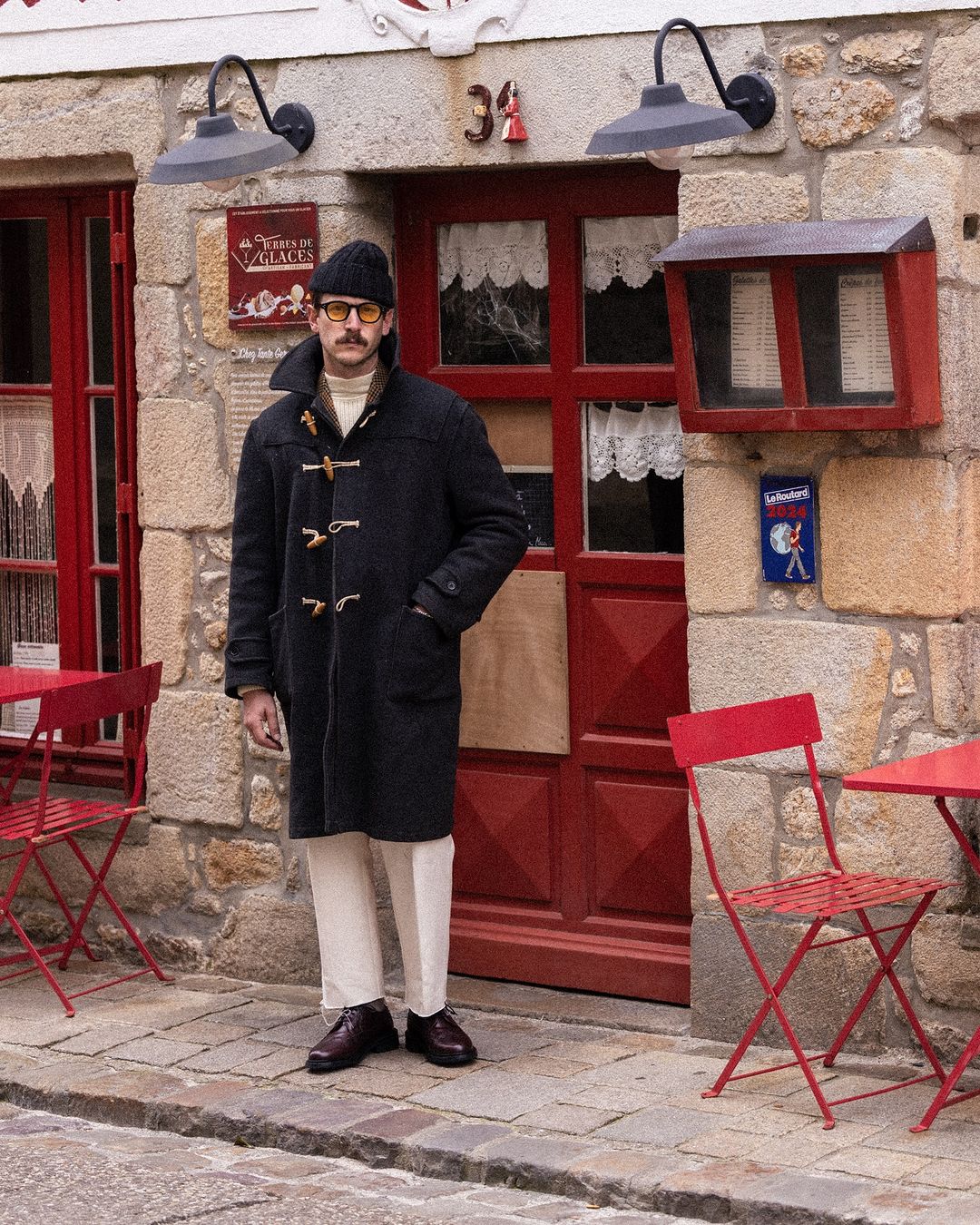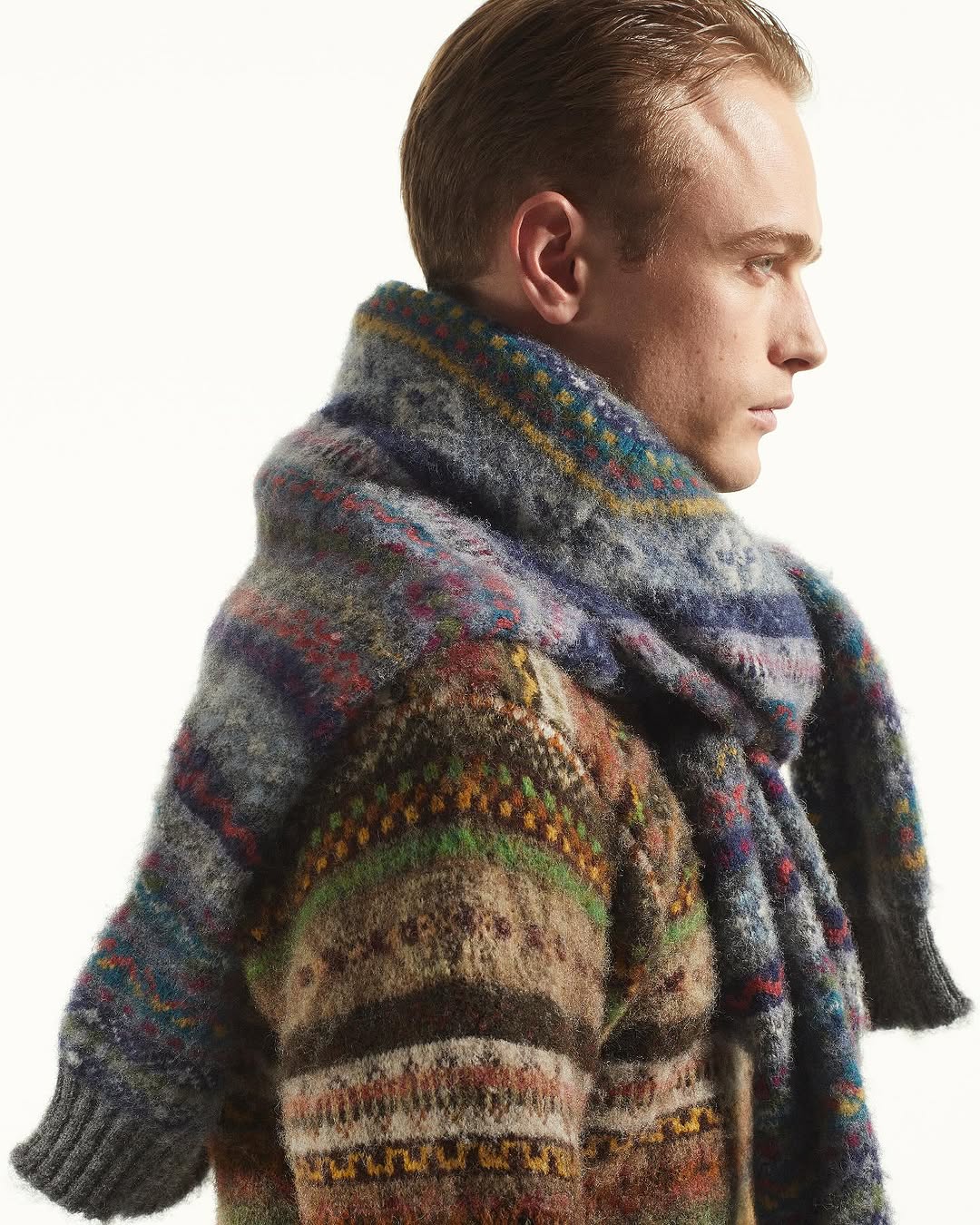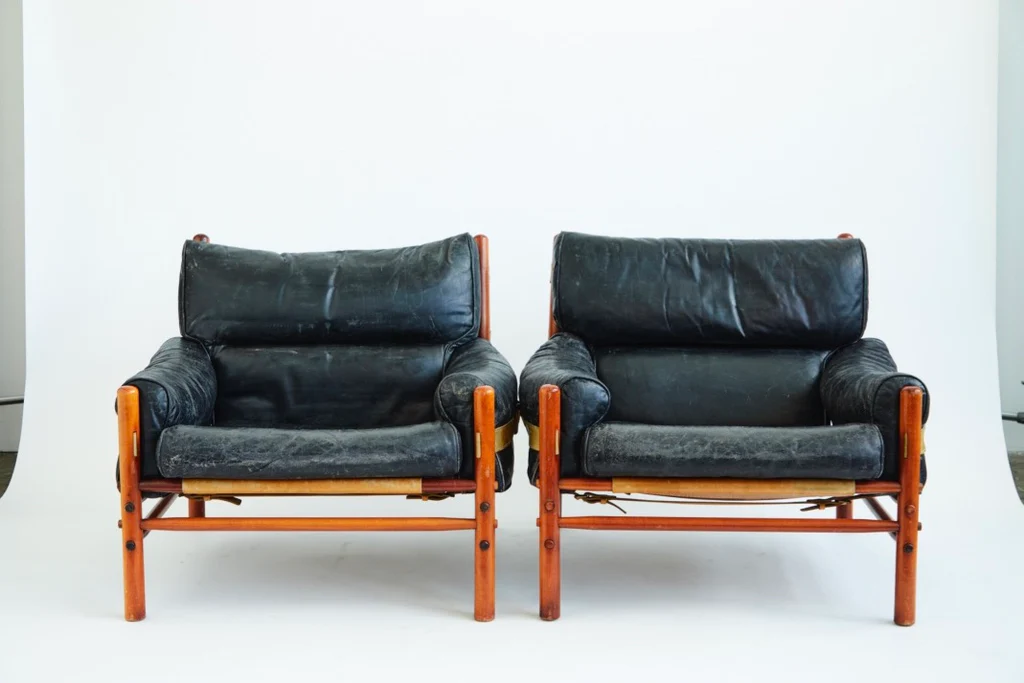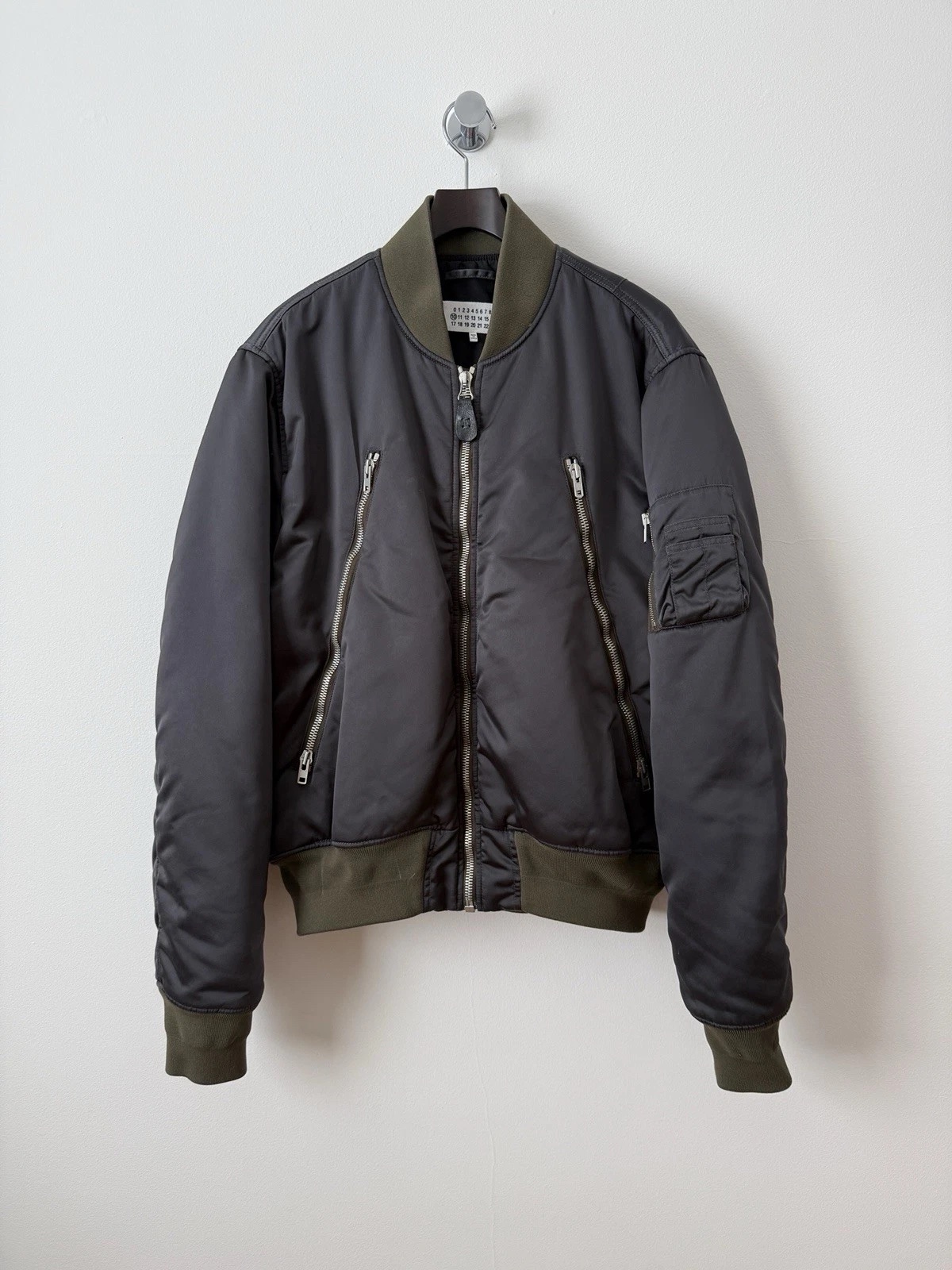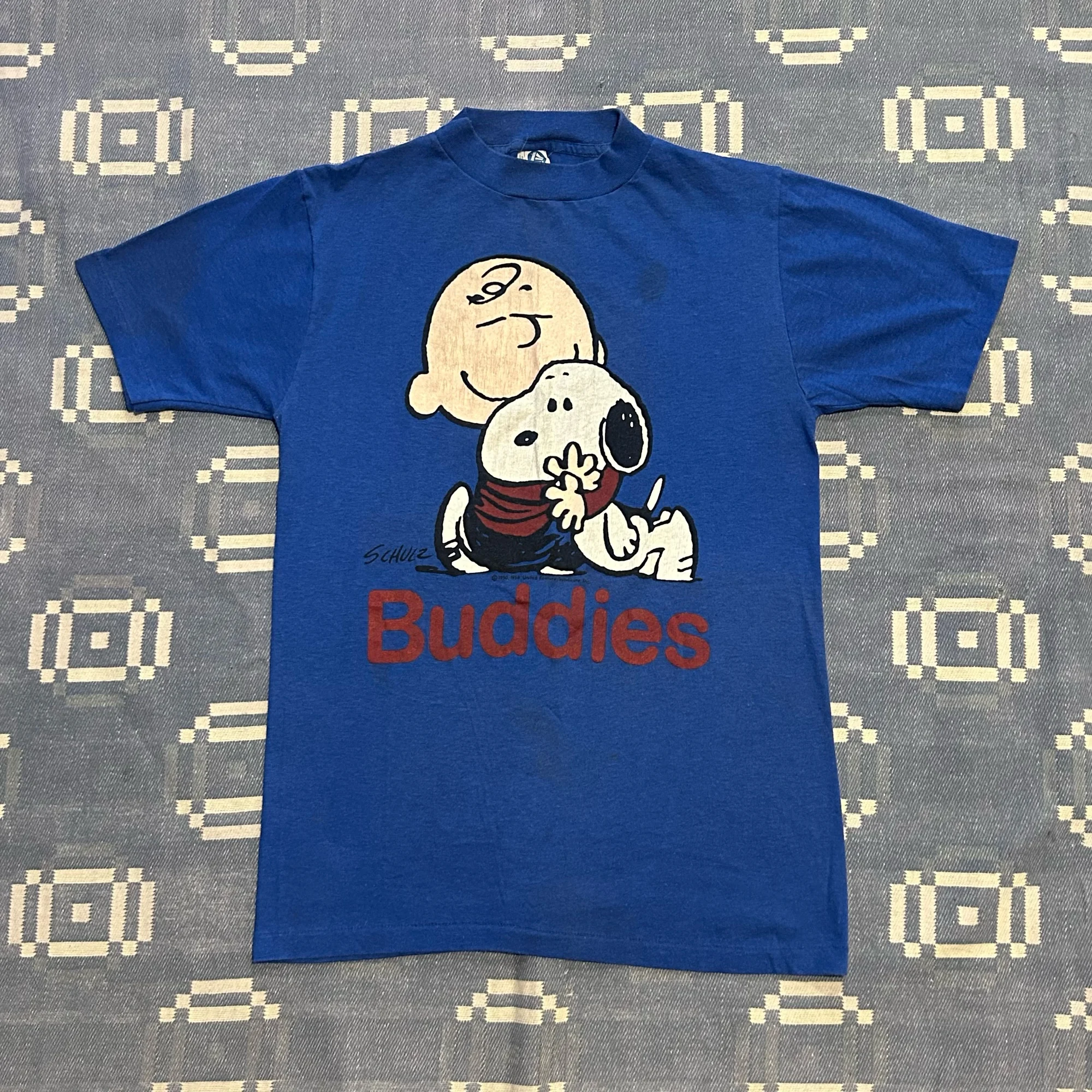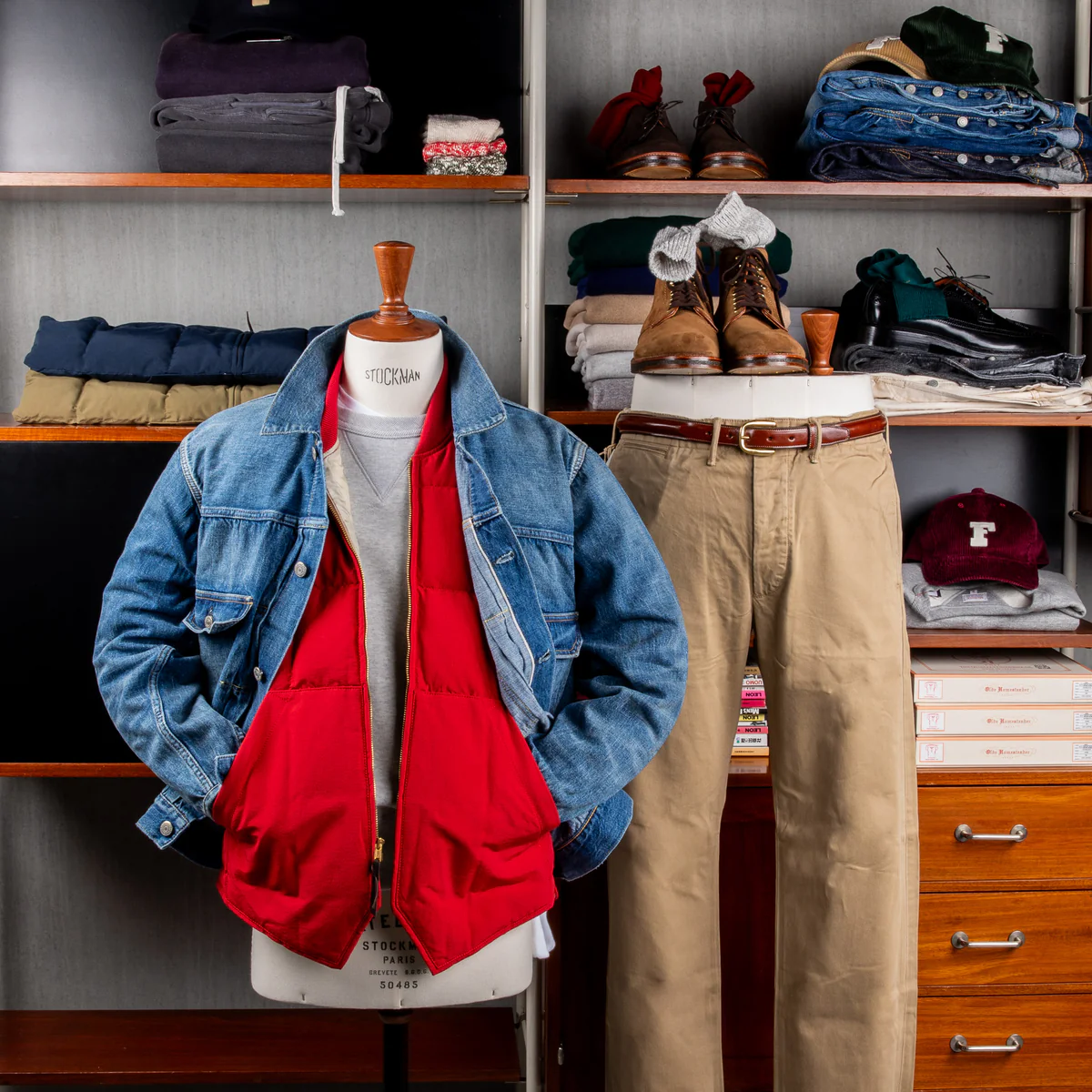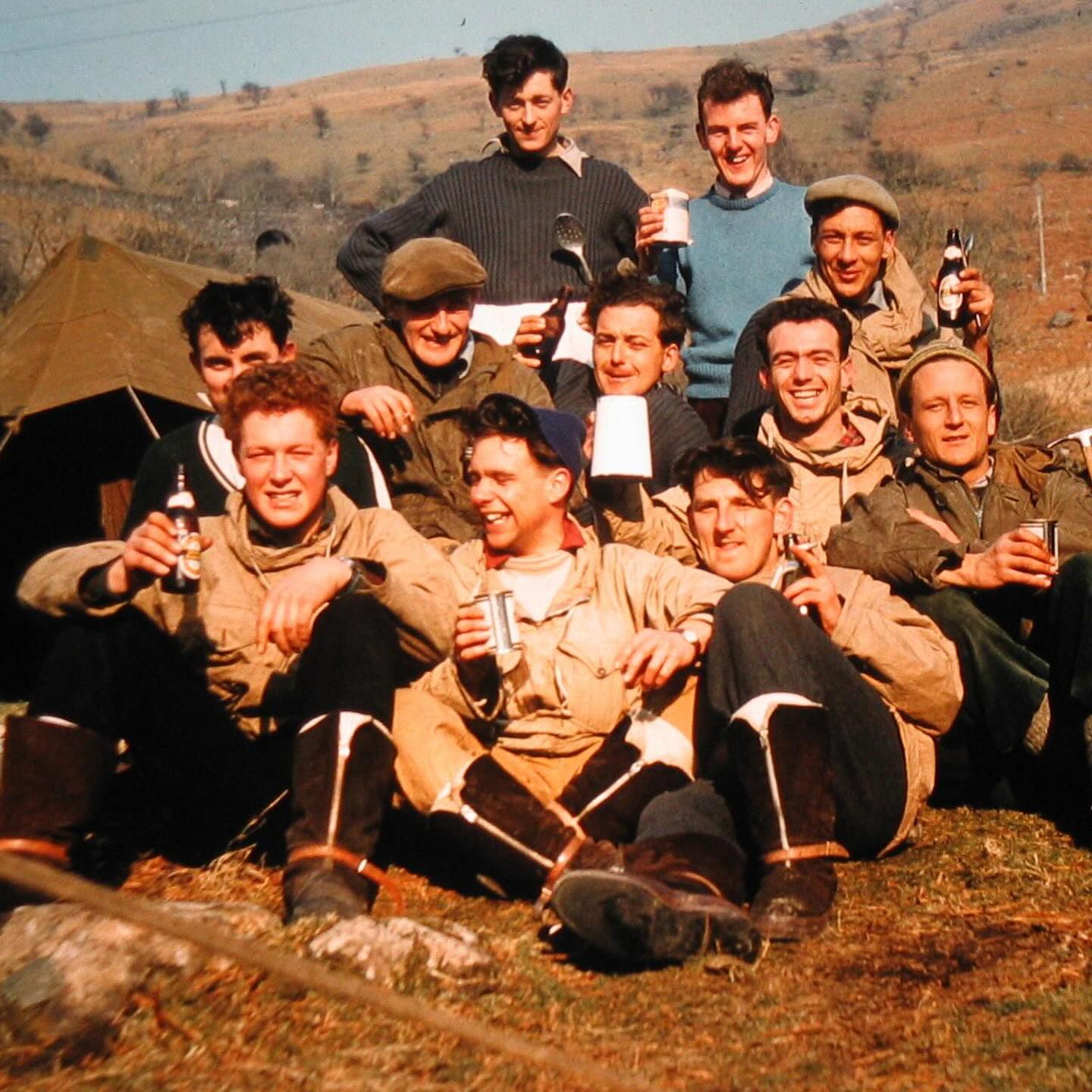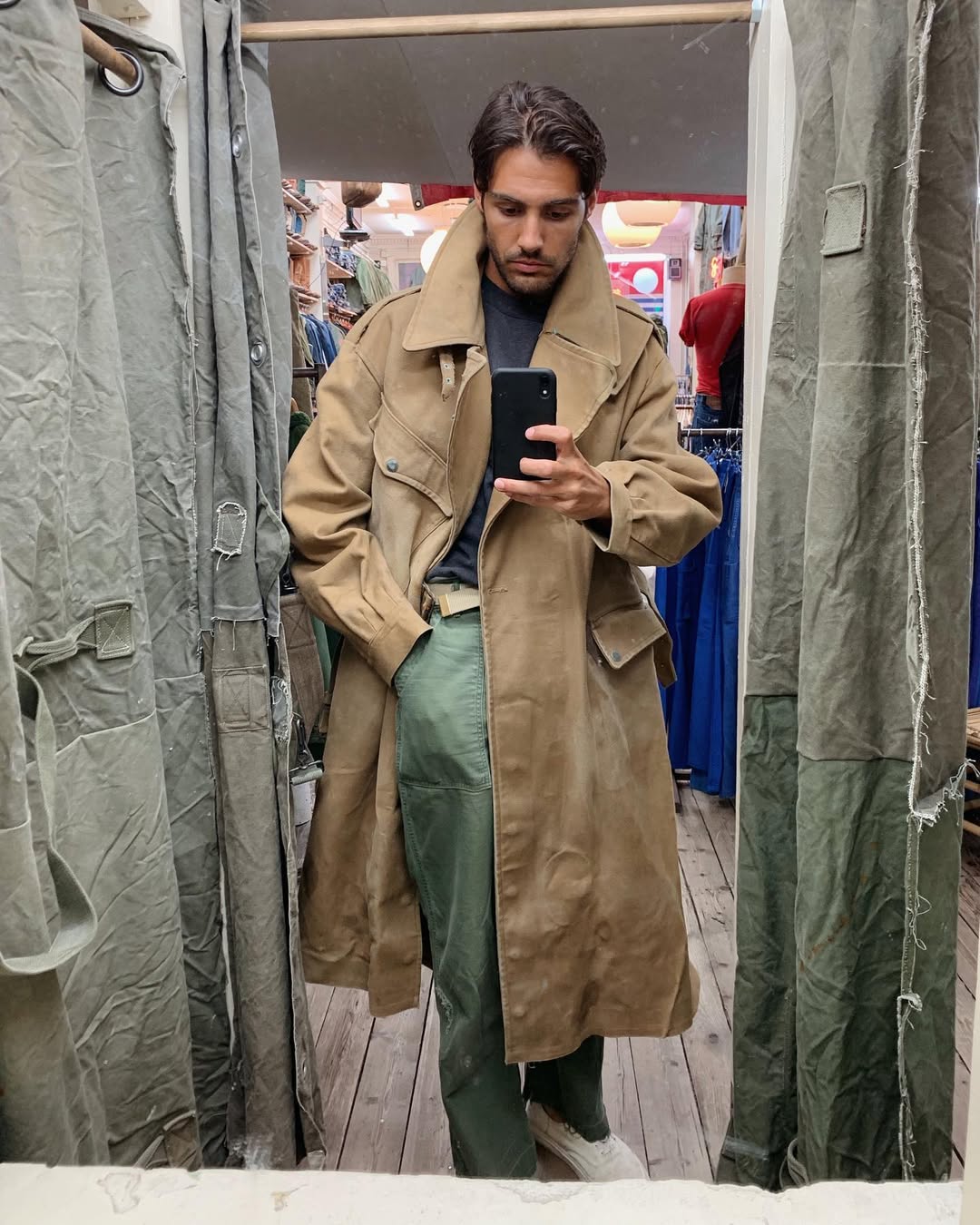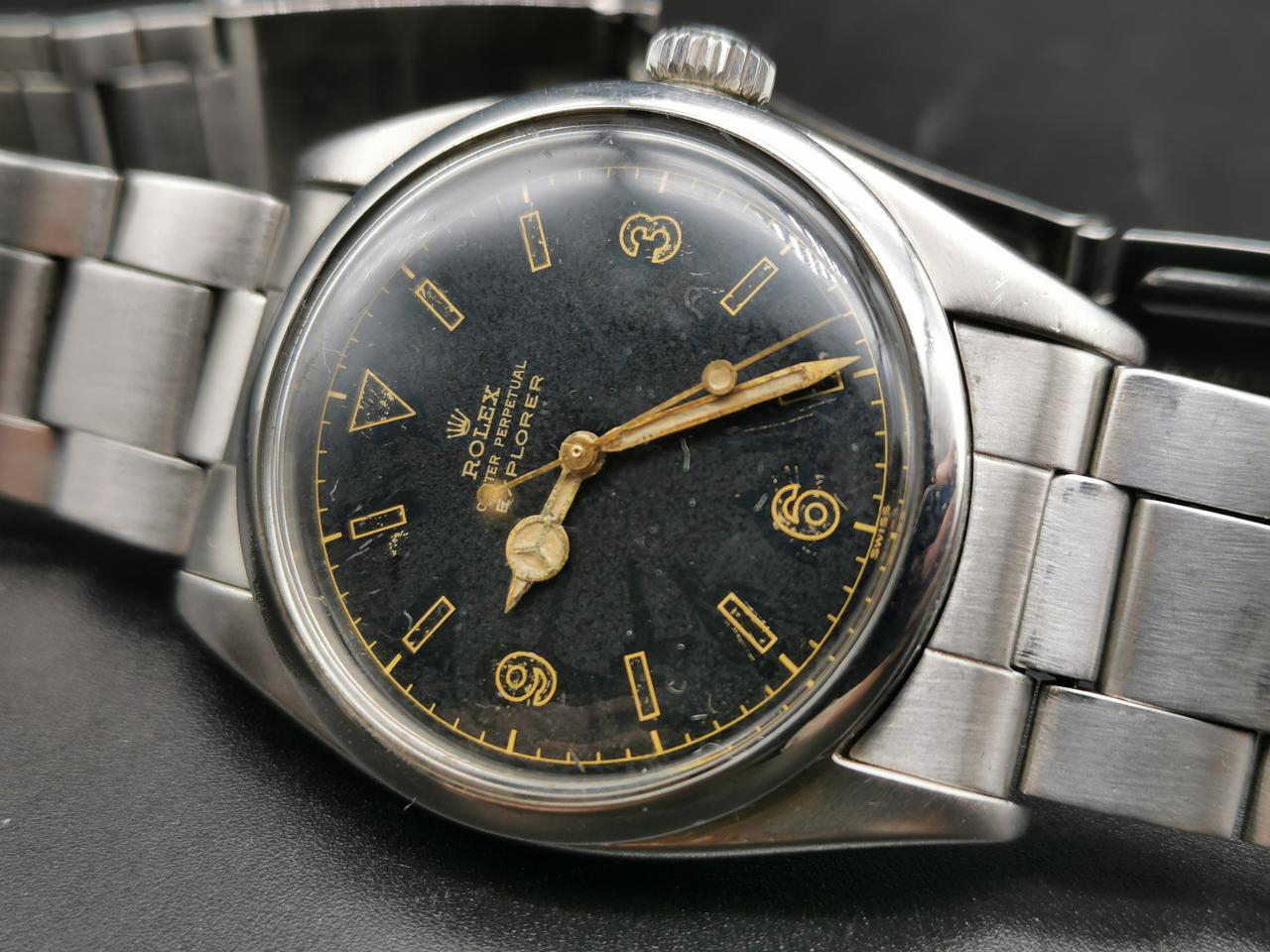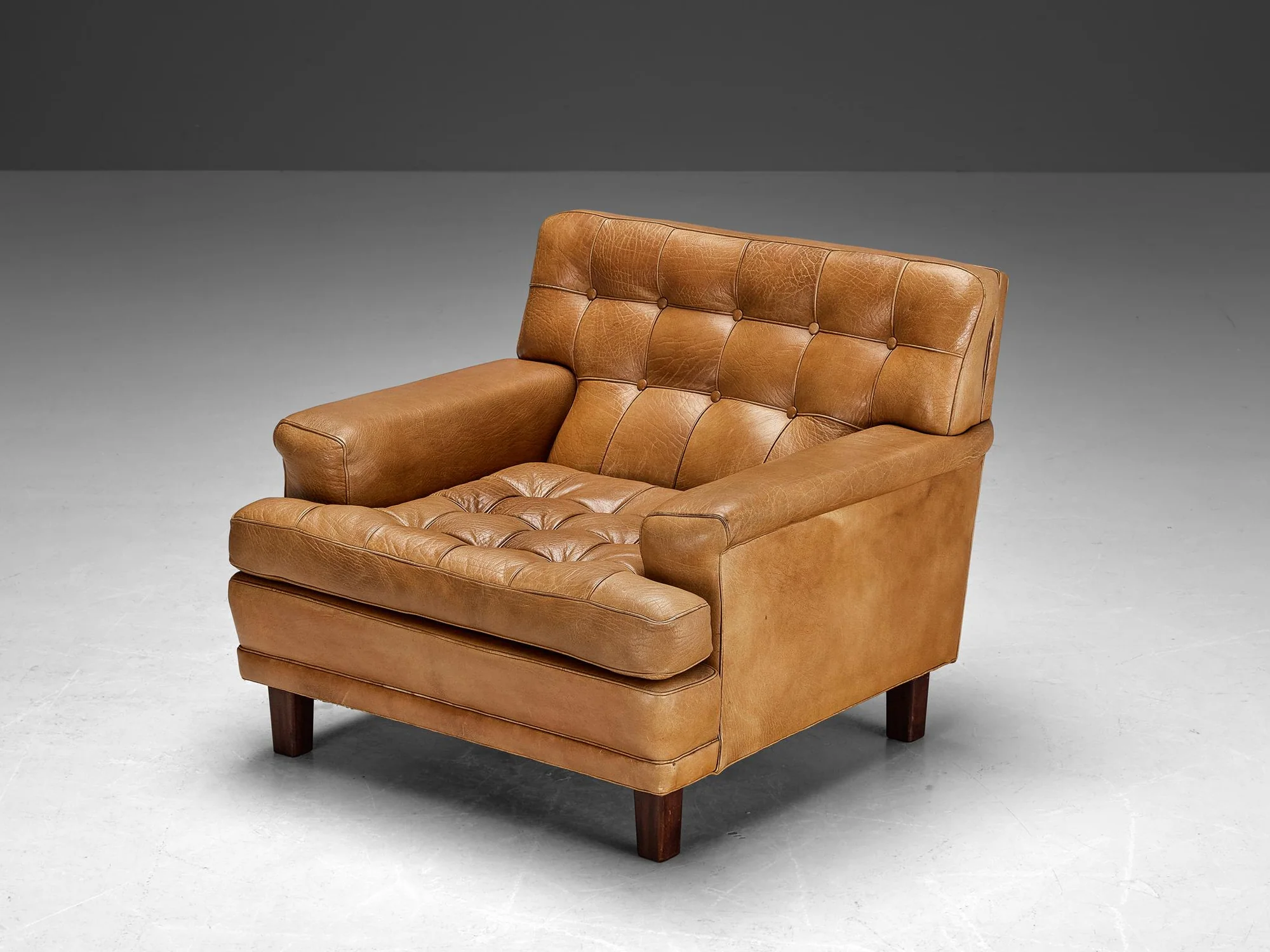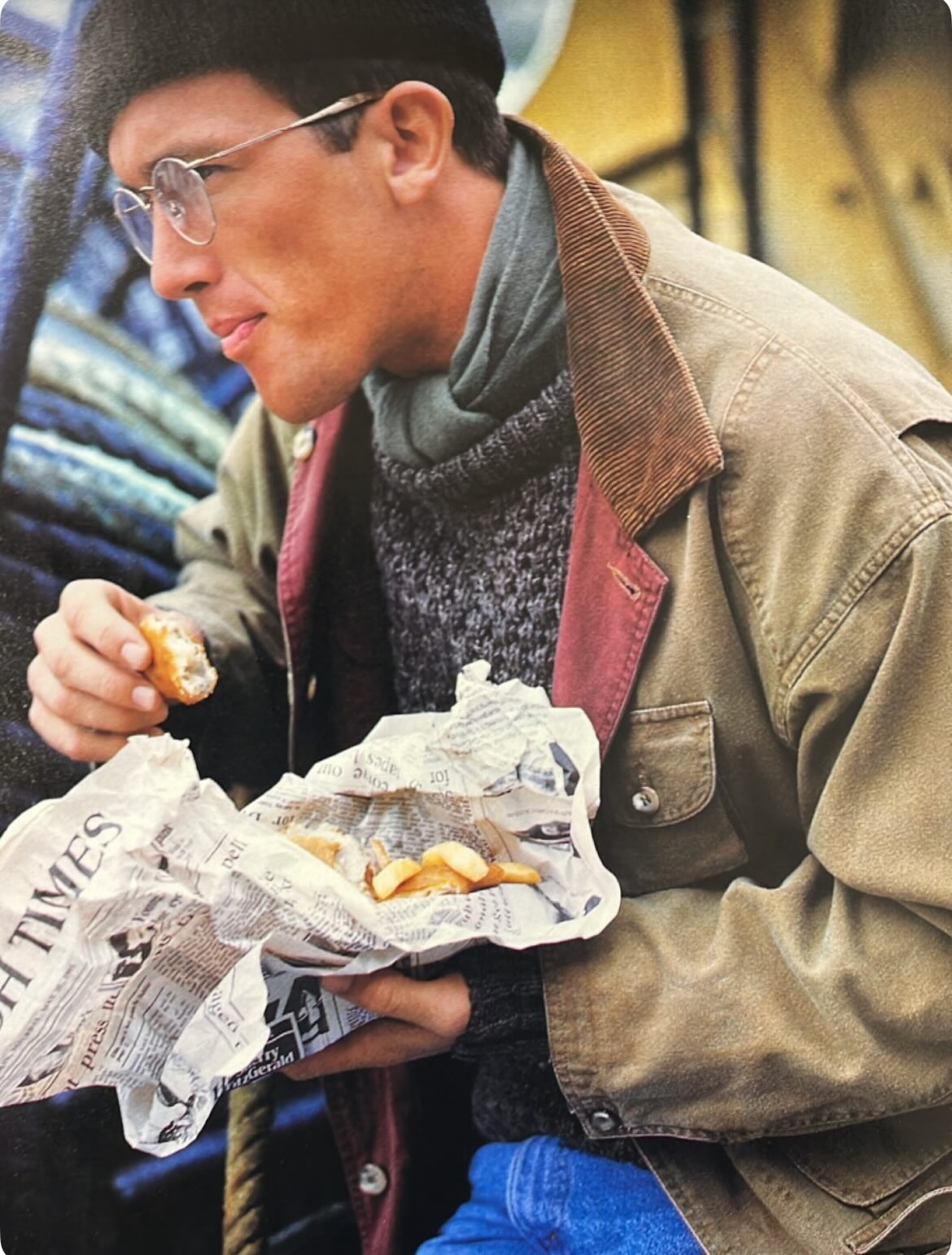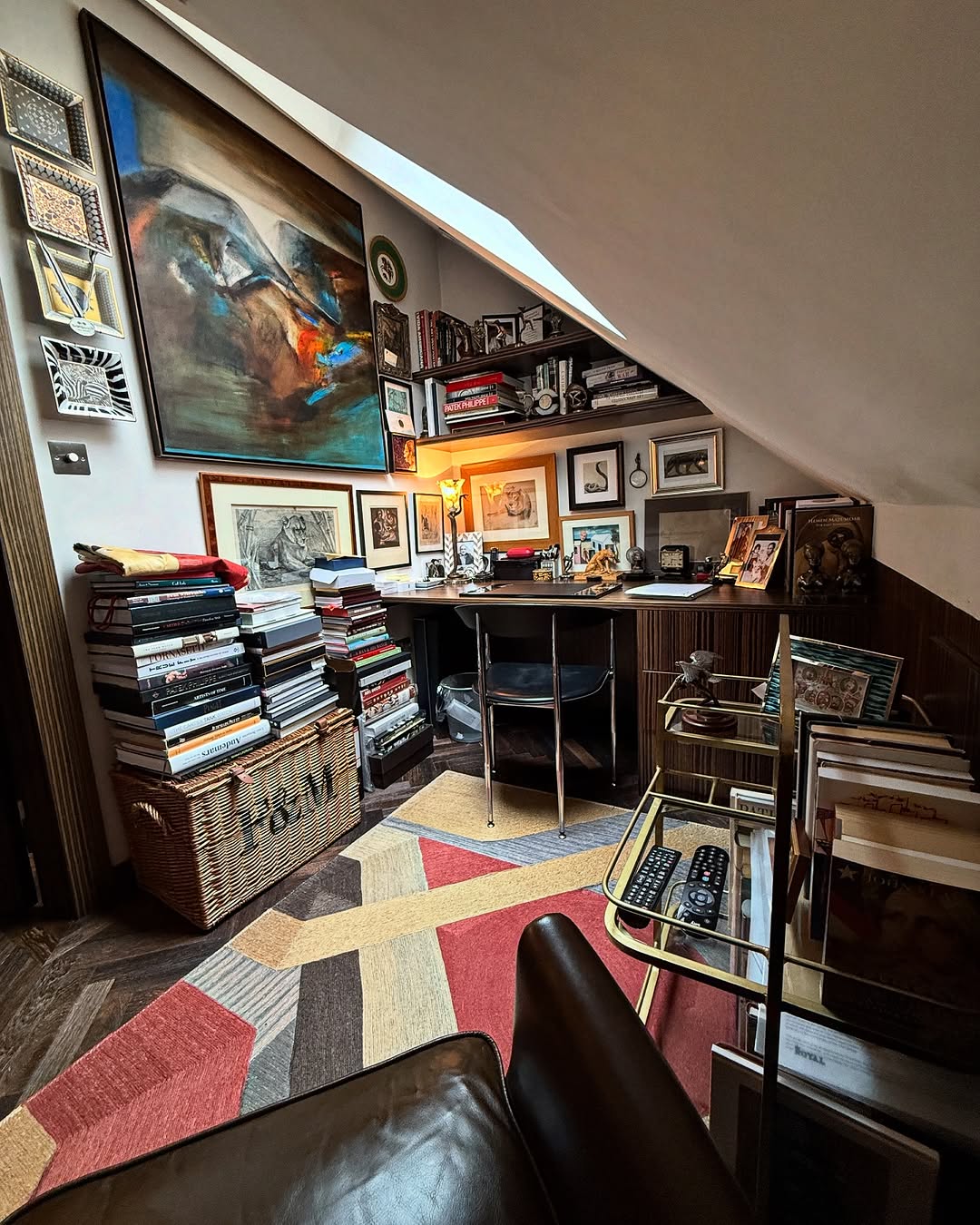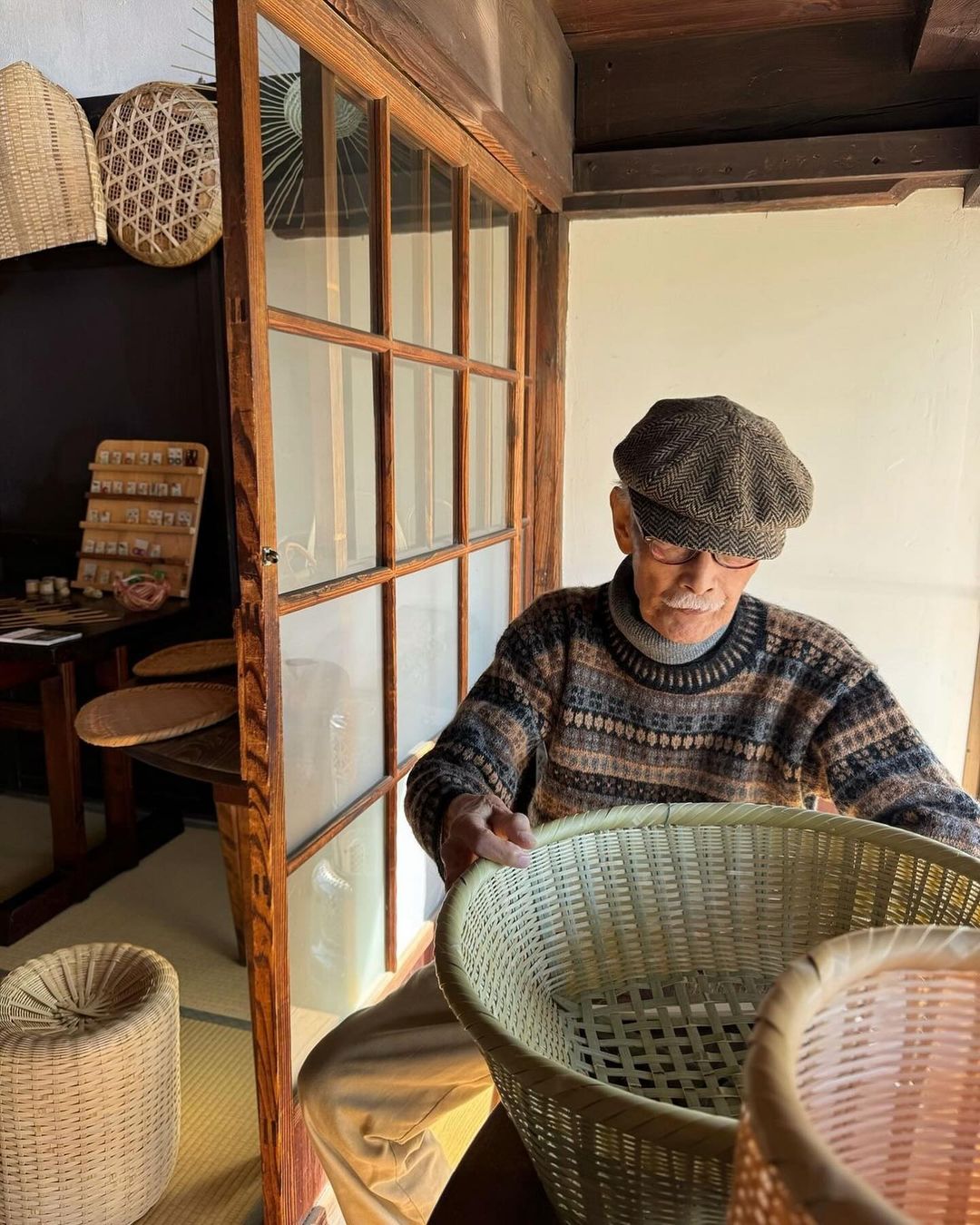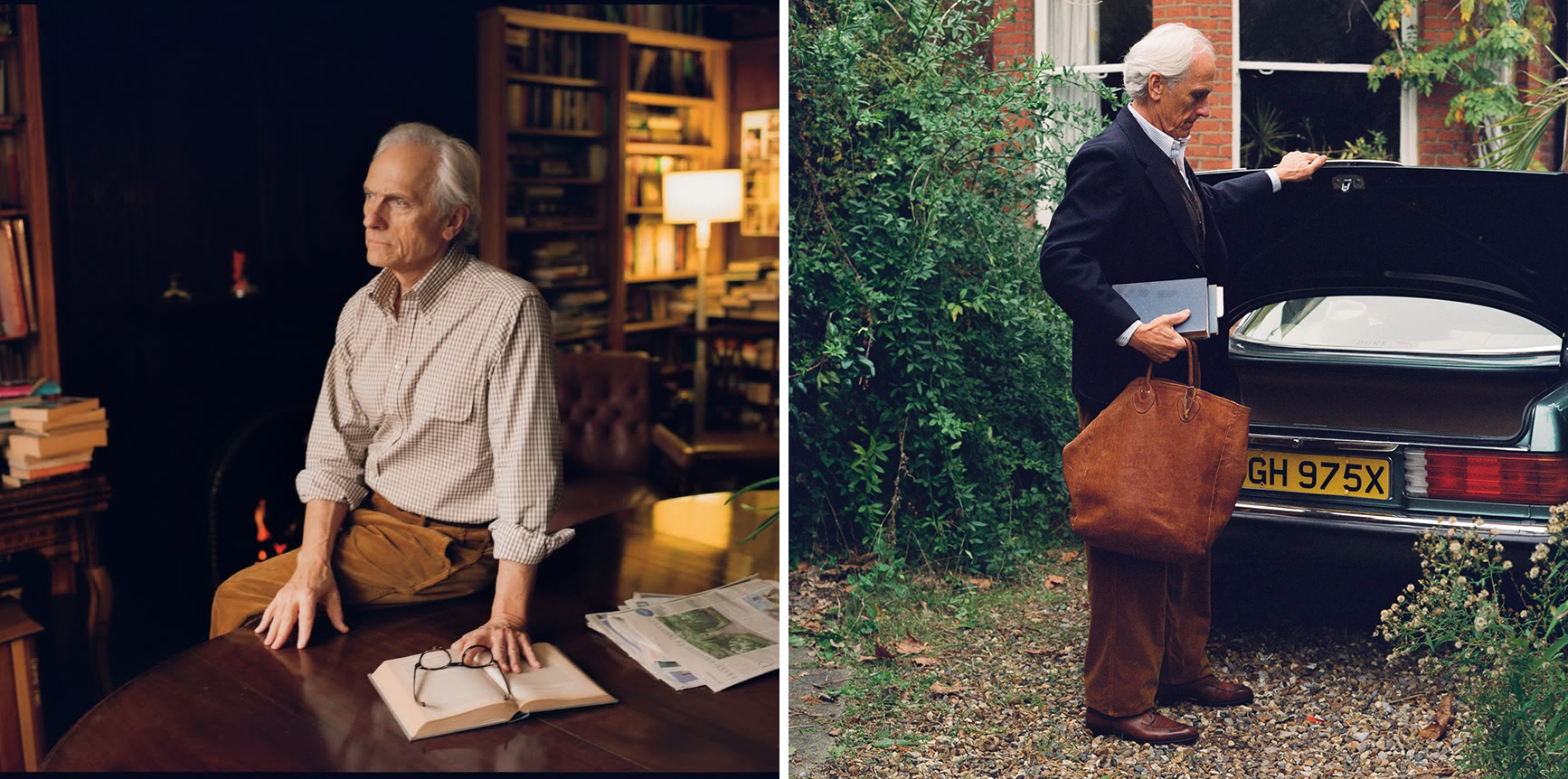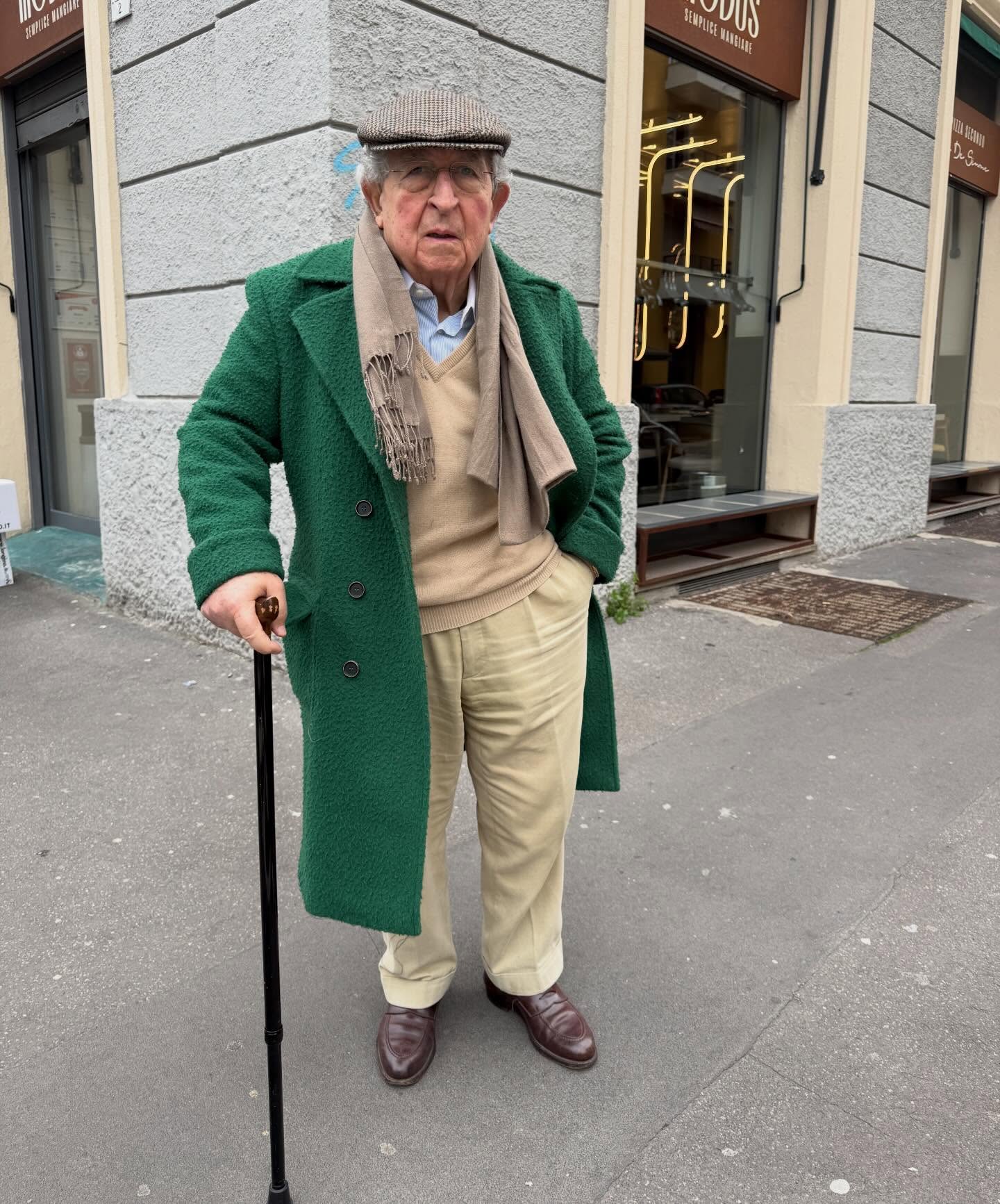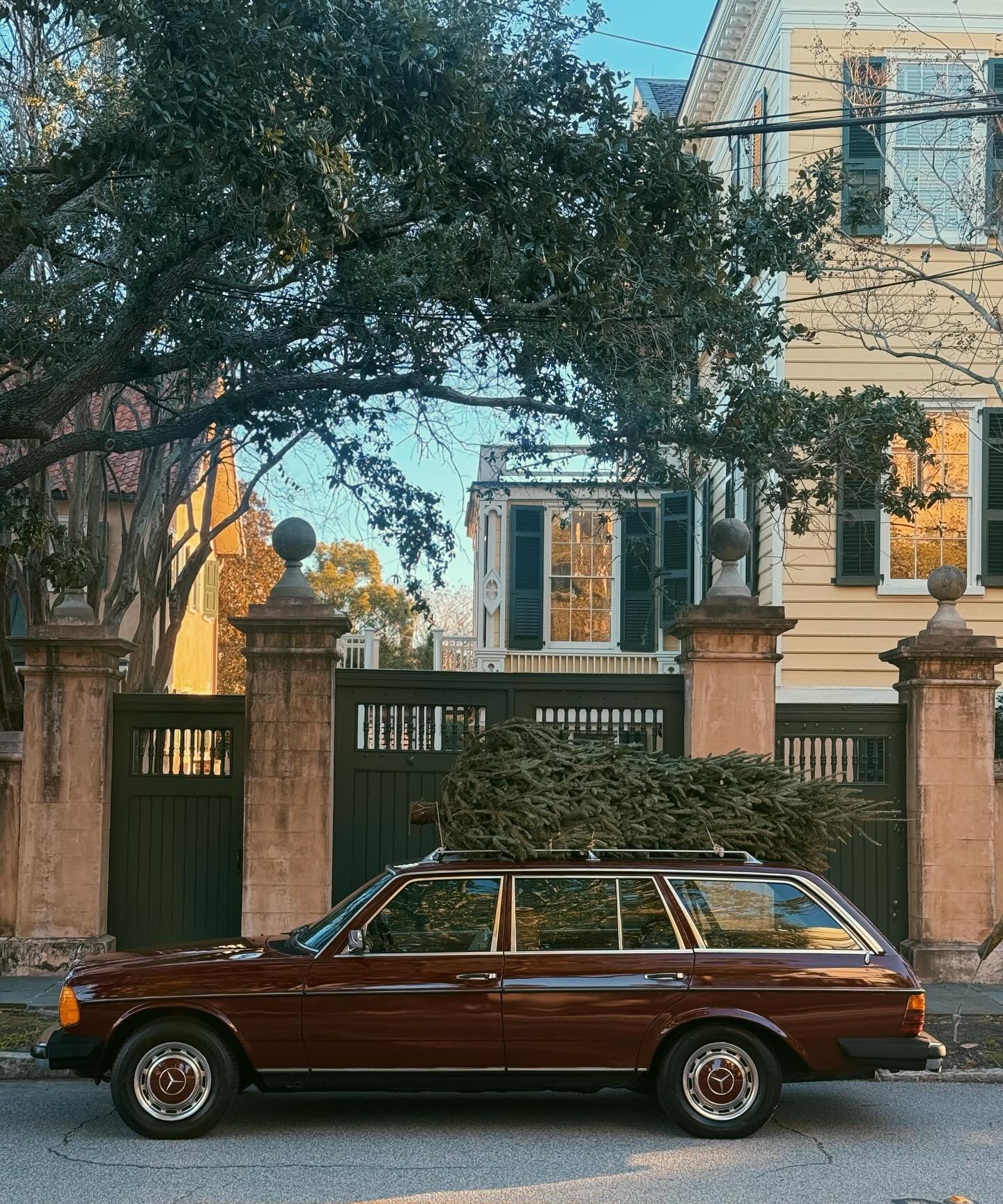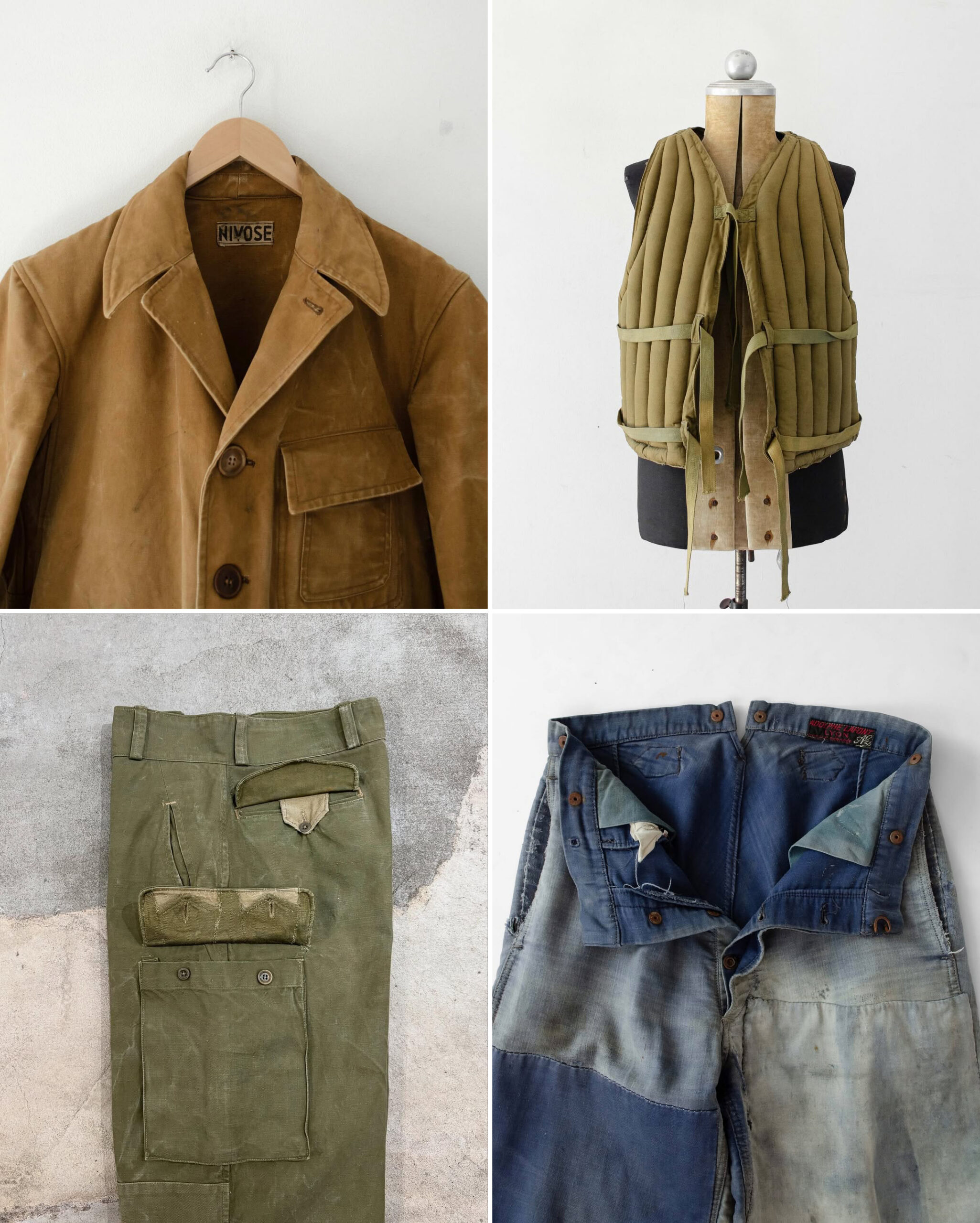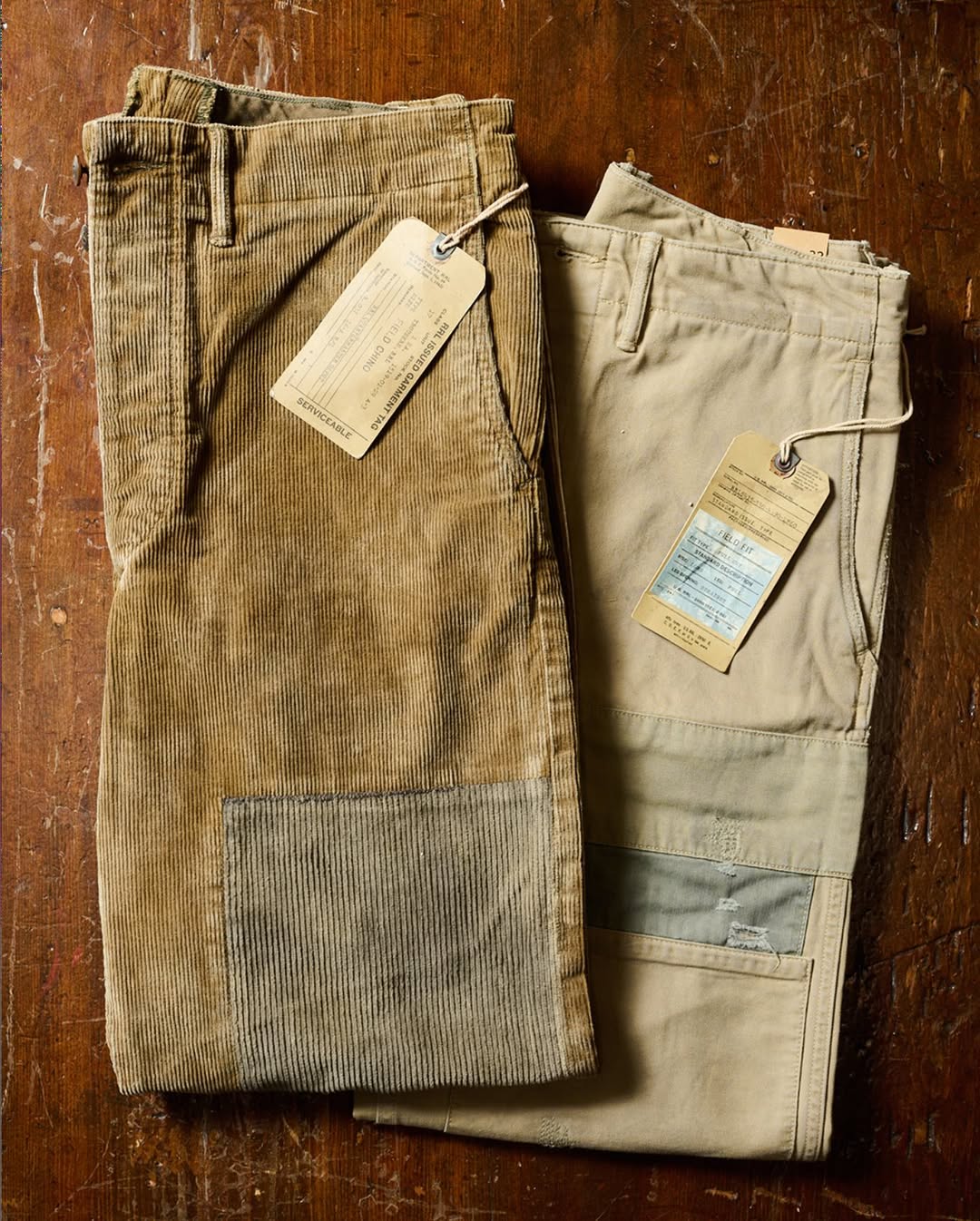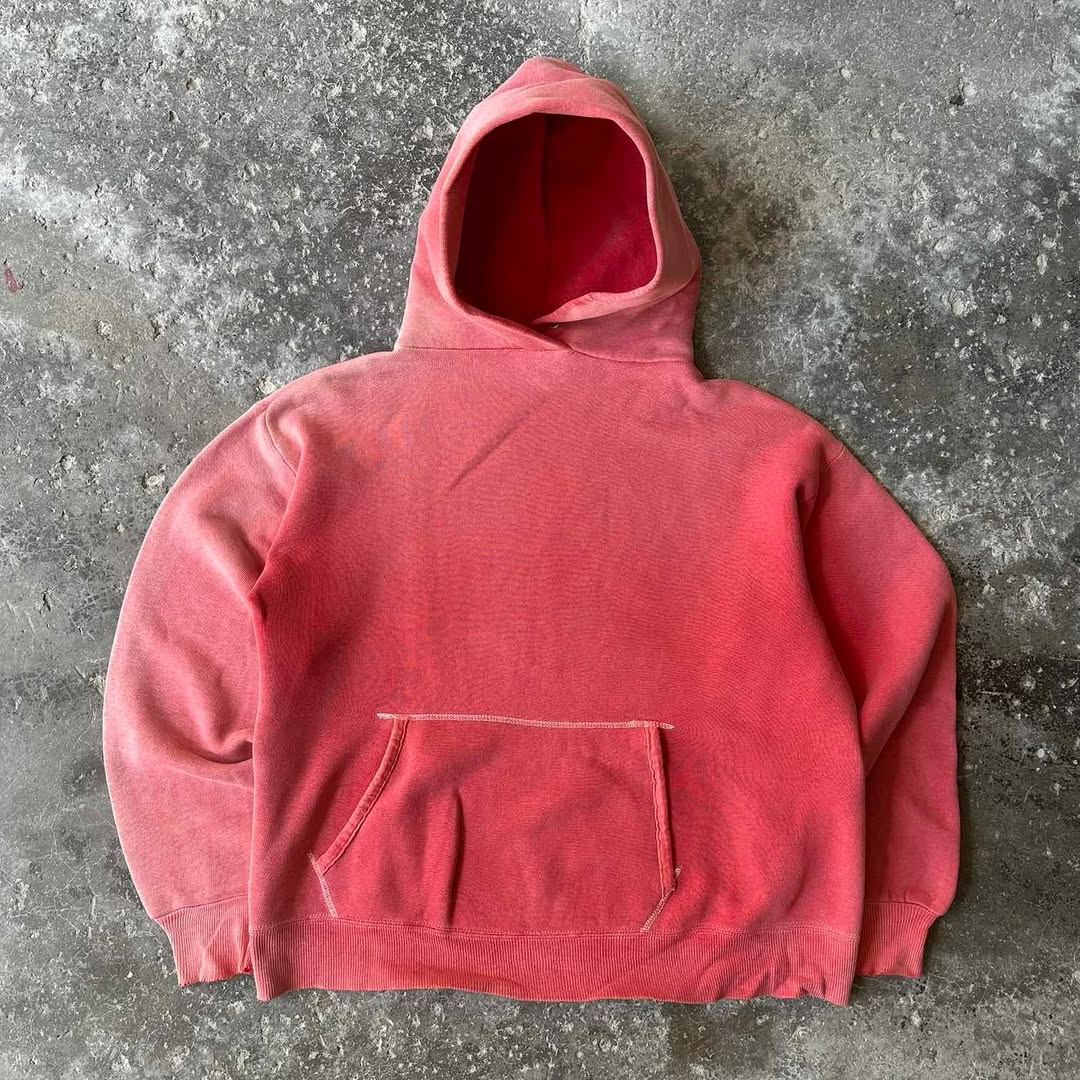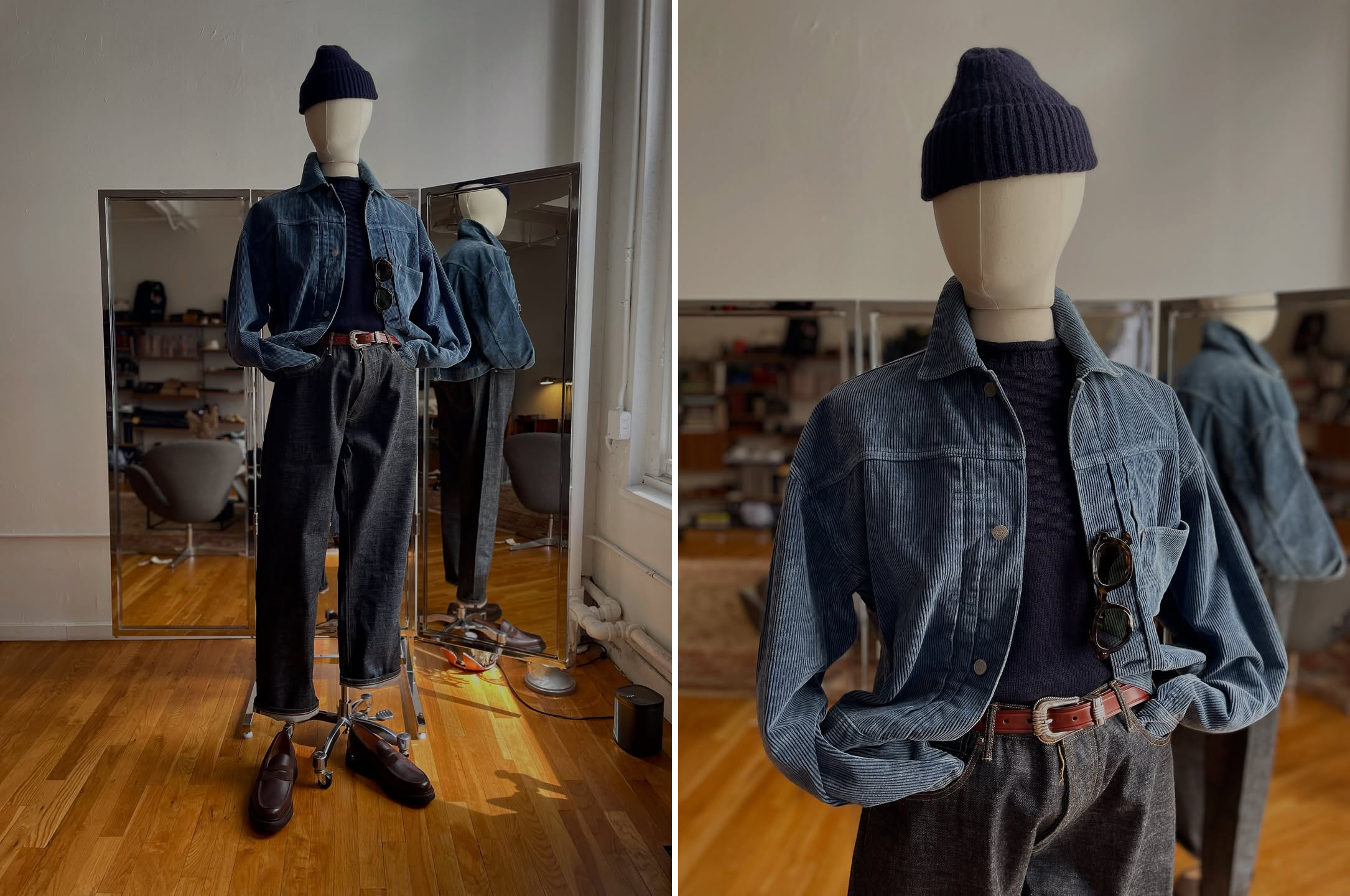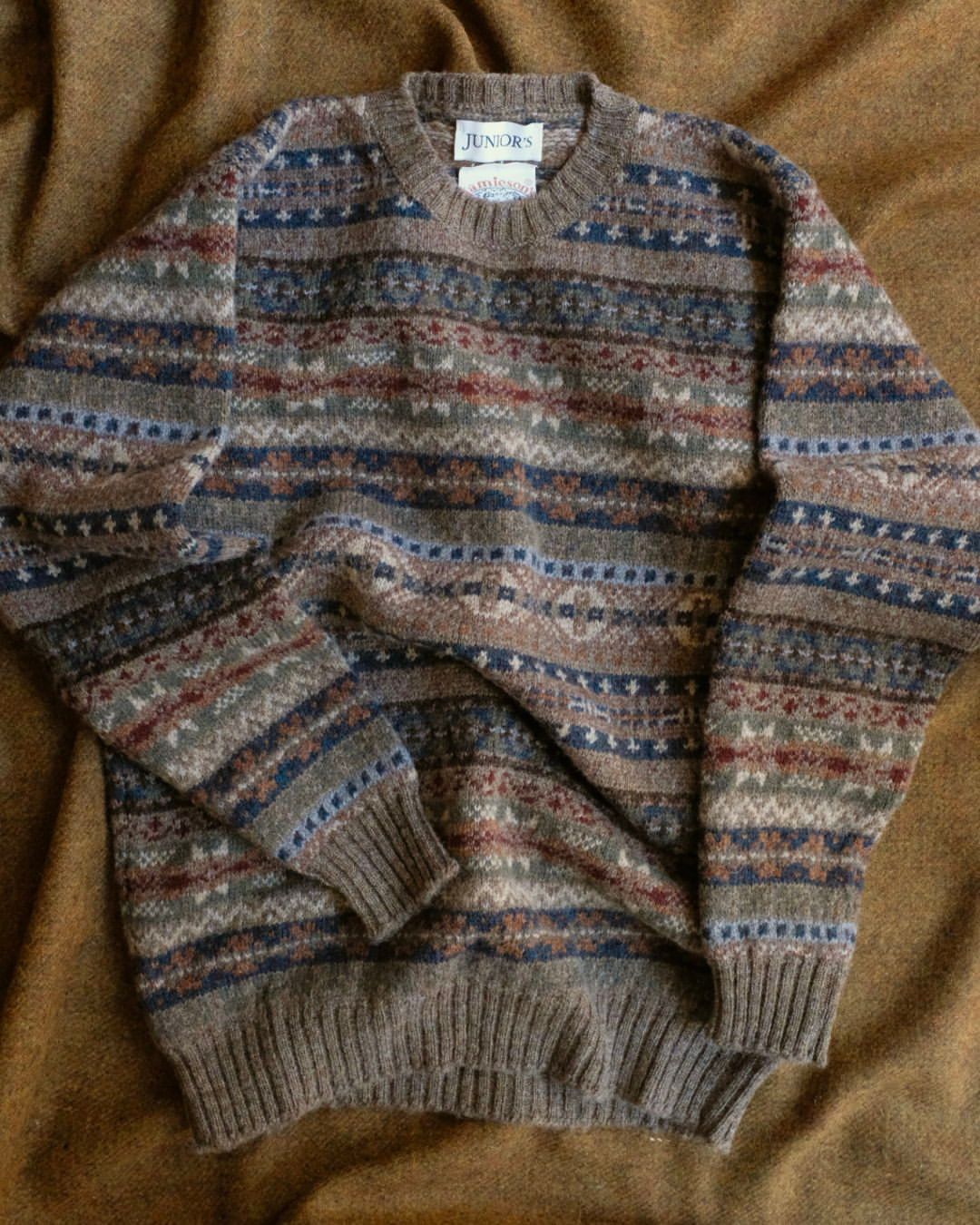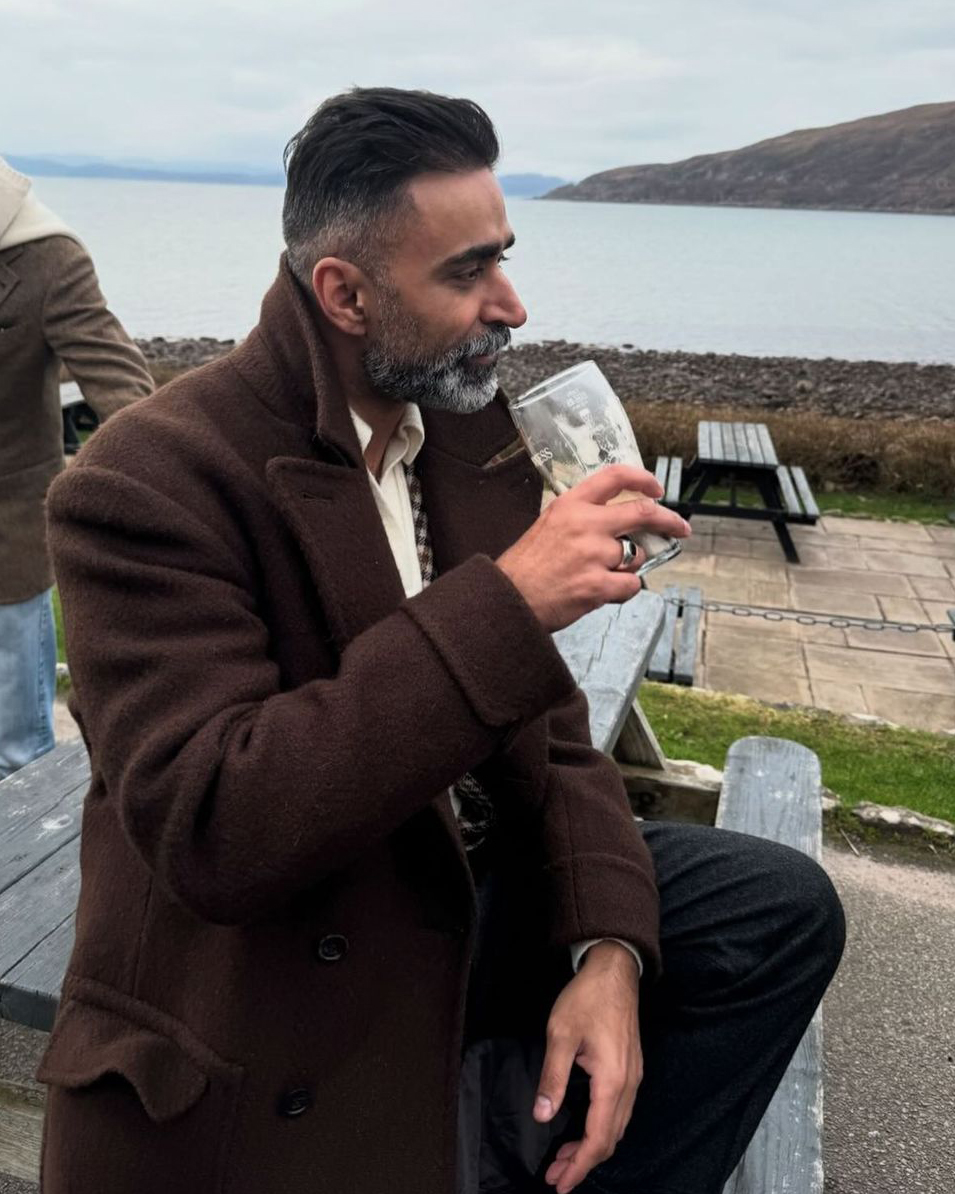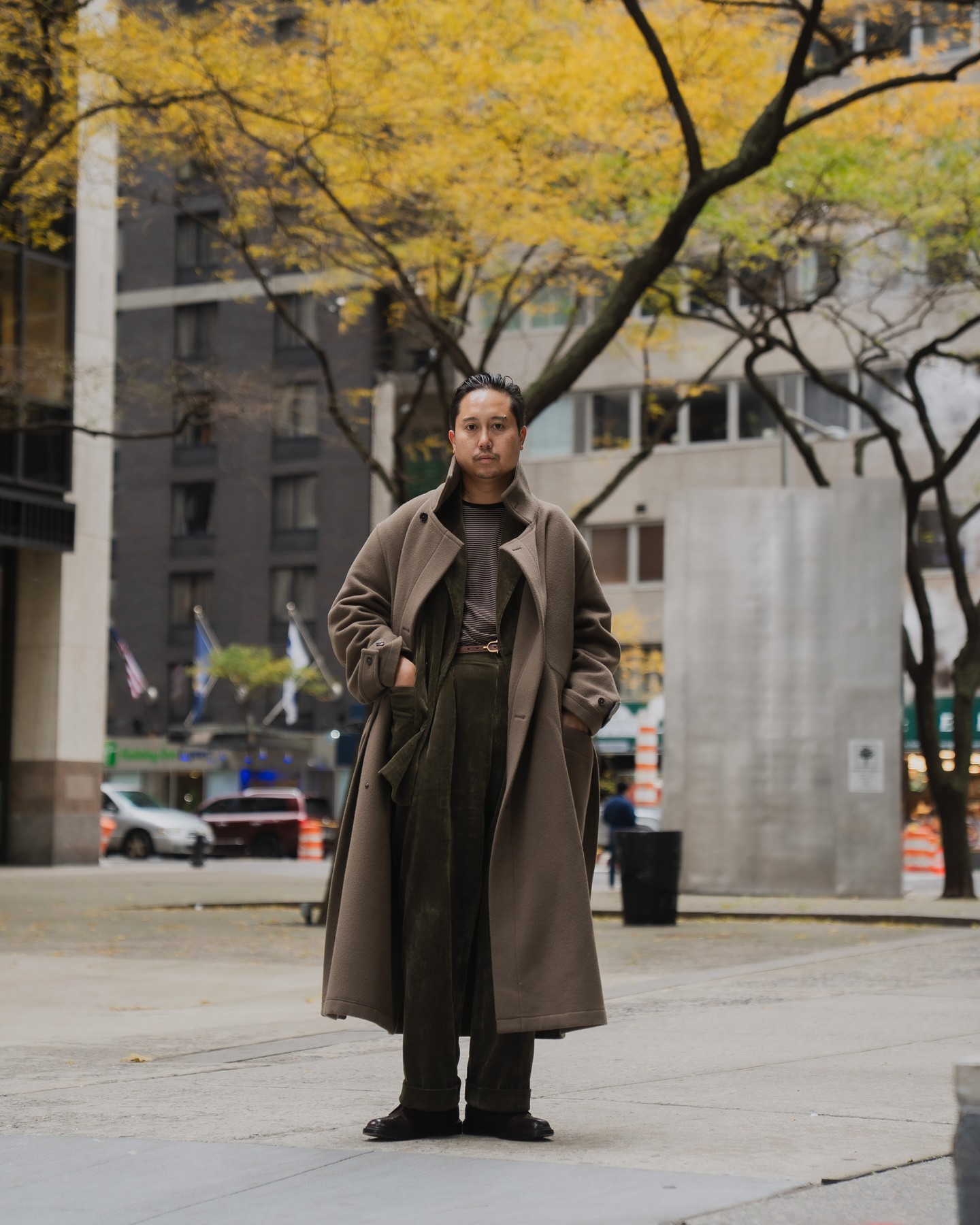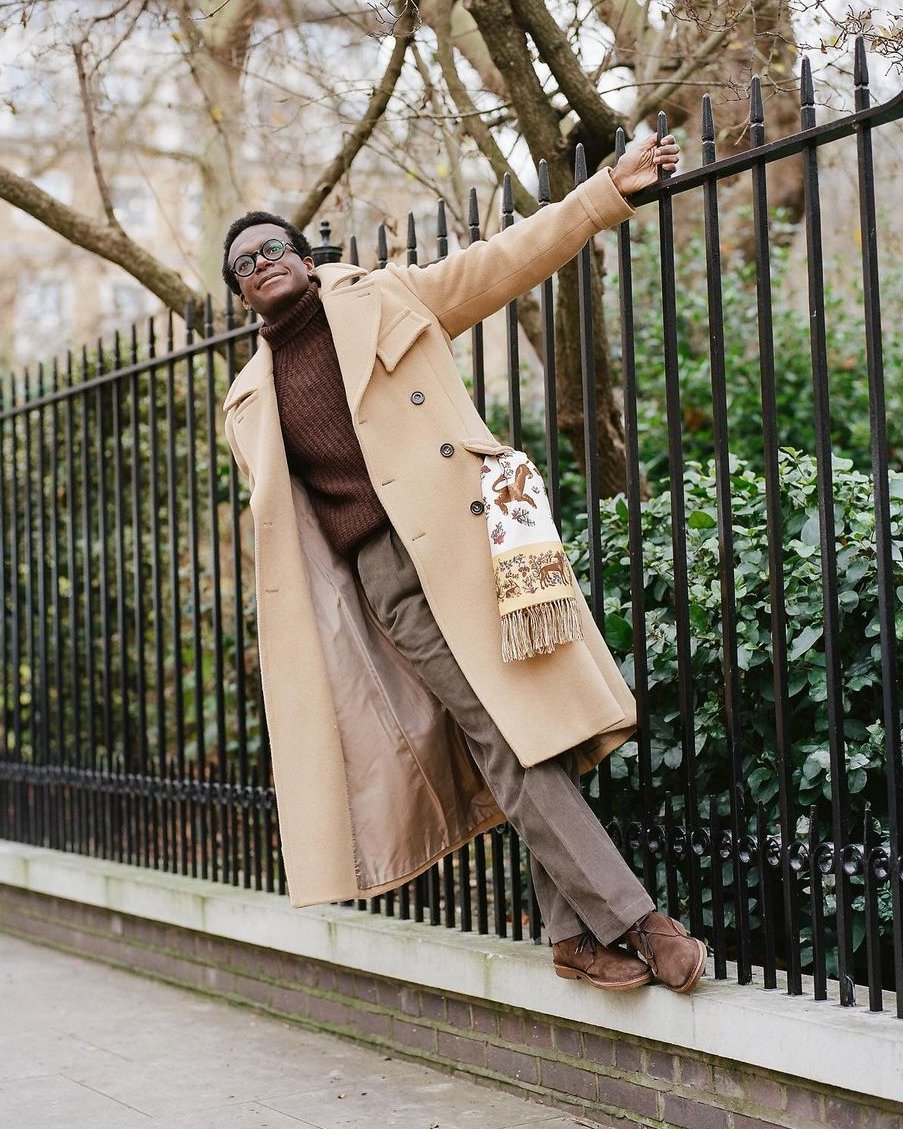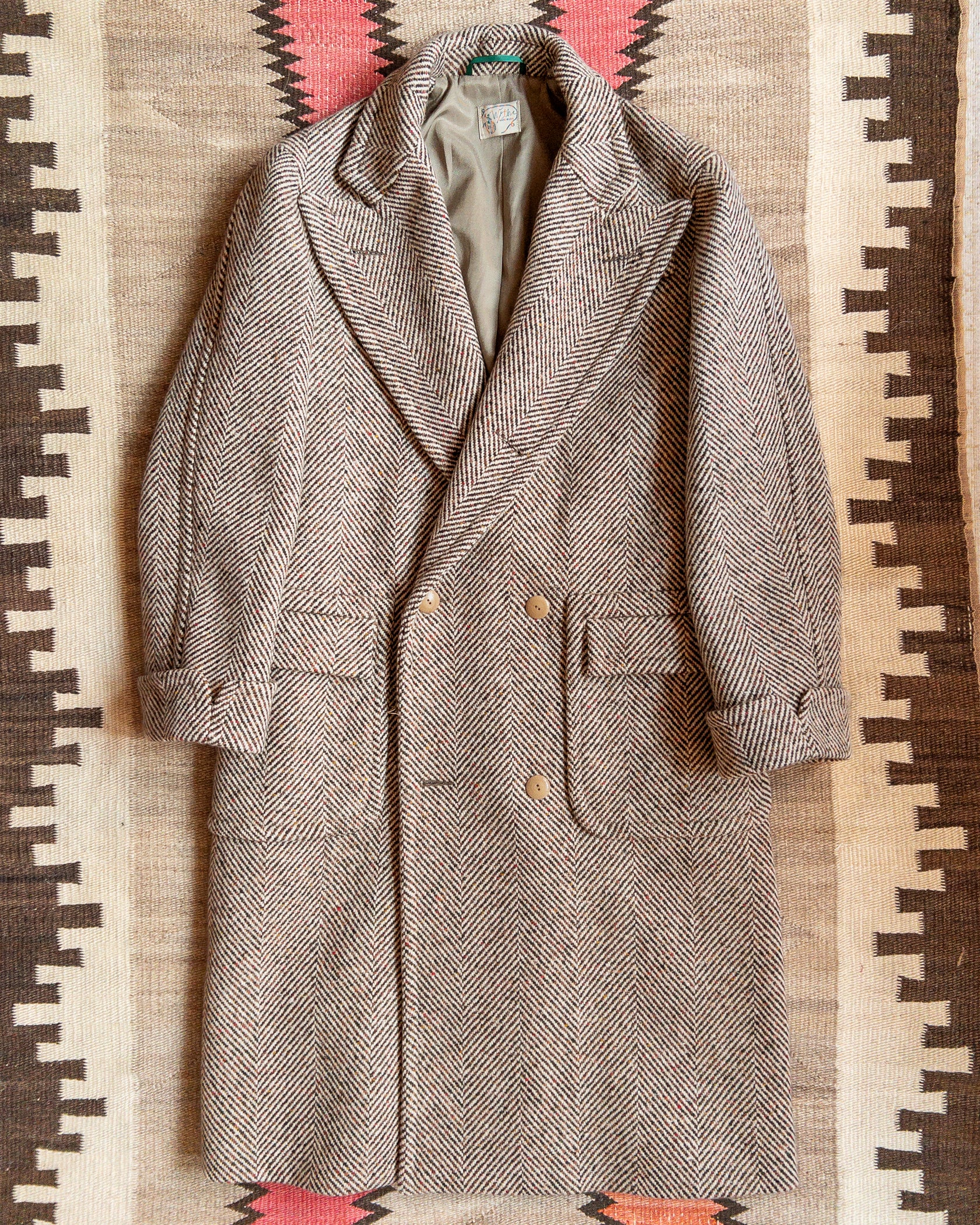
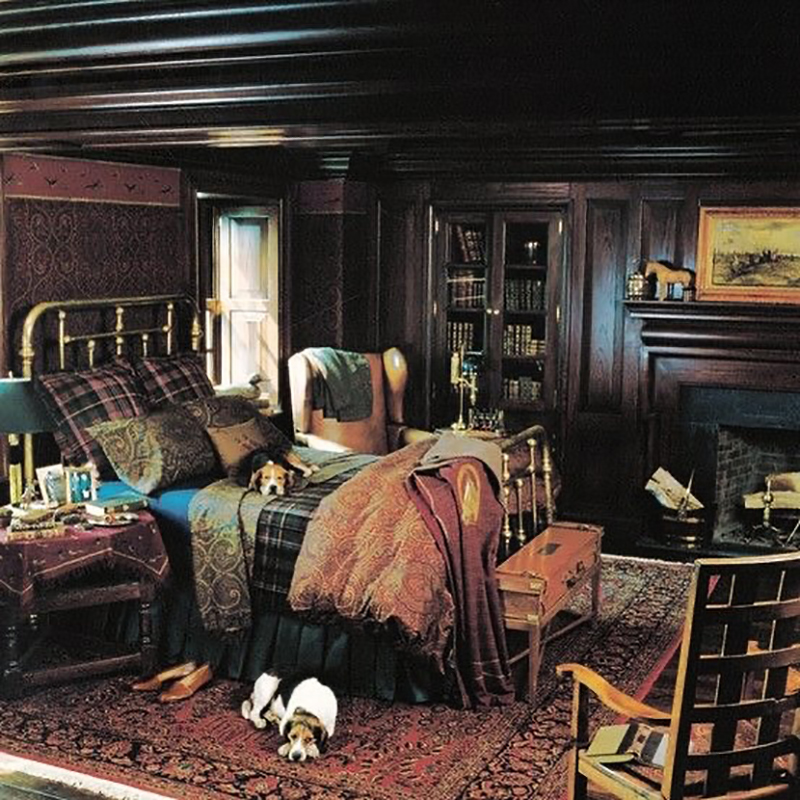
Open any Ralph Lauren home catalog, and you will find a familiar country-home tableau. Dark wood-paneled rooms with clubby hearths and built-in bookshelves are decorated with tartan throws, oriental rugs, and gentlemanly curios. Over the years, these images have drifted from Ralph Lauren’s catalogs to the internet, where they are stored on Instagram and Pinterest, ready for content harvesters to pluck and repost every fall. They reliably recirculate every November for a simple reason: when temperatures drop, these layered images evoke coziness—the most aspirational feeling when we retreat indoors.
Unlike warmth or hunger, coziness isn’t just a physical sensation but an emotional one shaped by centuries of technological and cultural change. For much of European history, people ate, socialized, and slept in the same spaces, sometimes alongside servants, apprentices, and extended family members. In such settings, coziness had little meaning, as a person could be warm or dry, but they couldn’t withdraw. It wasn’t until the 17th century, when Dutch households popularized smaller, more specialized spaces — known as “privacies” — that people could be selectively social or spend time alone. In his book Home: A Short History of an Idea, architect Witold Rybczynski treats this moment as the seed from which the cozy home would eventually grow.
As our residential spaces became smaller and more specialized, the furnishings inside them adapted to new patterns of use. Chairs that were uncomfortably hard and upright became lower and wider, built with generous cushioning and sloped backs that made it easier to settle in and recline. These seats were commonly arranged around a low table and fireplace, creating intimate spaces for conversation. “People sat together to listen to music, to have conversations, to play cards,” Rybczynski wrote, describing the emergence of domestic leisure. By the end of the 19th century, larger windows with sliding sashes admitted more light and fresh air. Improvements in stoves and central heating kept the chill at bay without the need for a roaring fireplace. Eventually, gas and electrical lighting made it possible to read and socialize long after sunset, reshaping how people viewed domesticity.
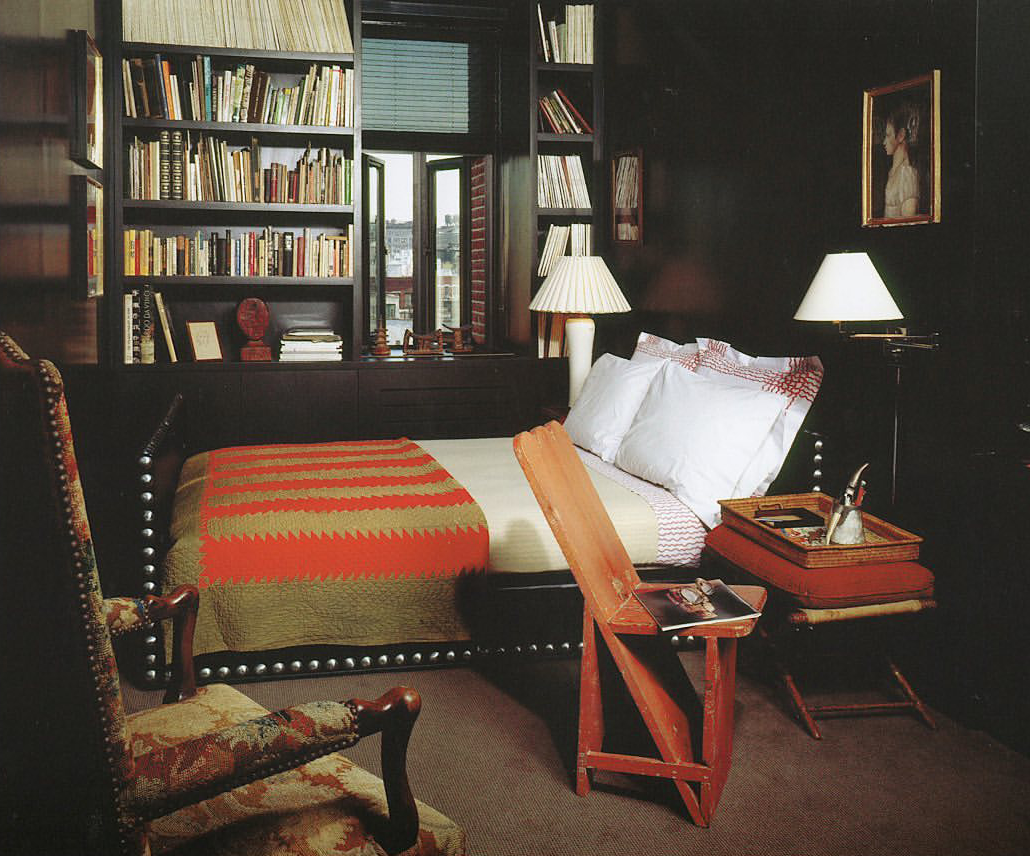
According to Rybczynski, it’s only after we established privacy and leisure that interior life began to accrue personal meaning. Consider, for instance, how one makes a new home feel cozy. First, we deploy old photos and keepsakes to bring our past into new spaces, making them feel more familiar. Then we put up curtains, not just to protect our privacy, but to visually soften hard spaces. We place lamps beside armchairs and sofas, creating small pools of light where you can read or relax in the evening. Much like how leather shoes and raw denim become more comfortable with use, a home becomes cozy through your daily routines. Over time, objects recede into the background, and you can move through your home at night because you know your arrangements. Comfort, in this sense, is the residue of repetition.
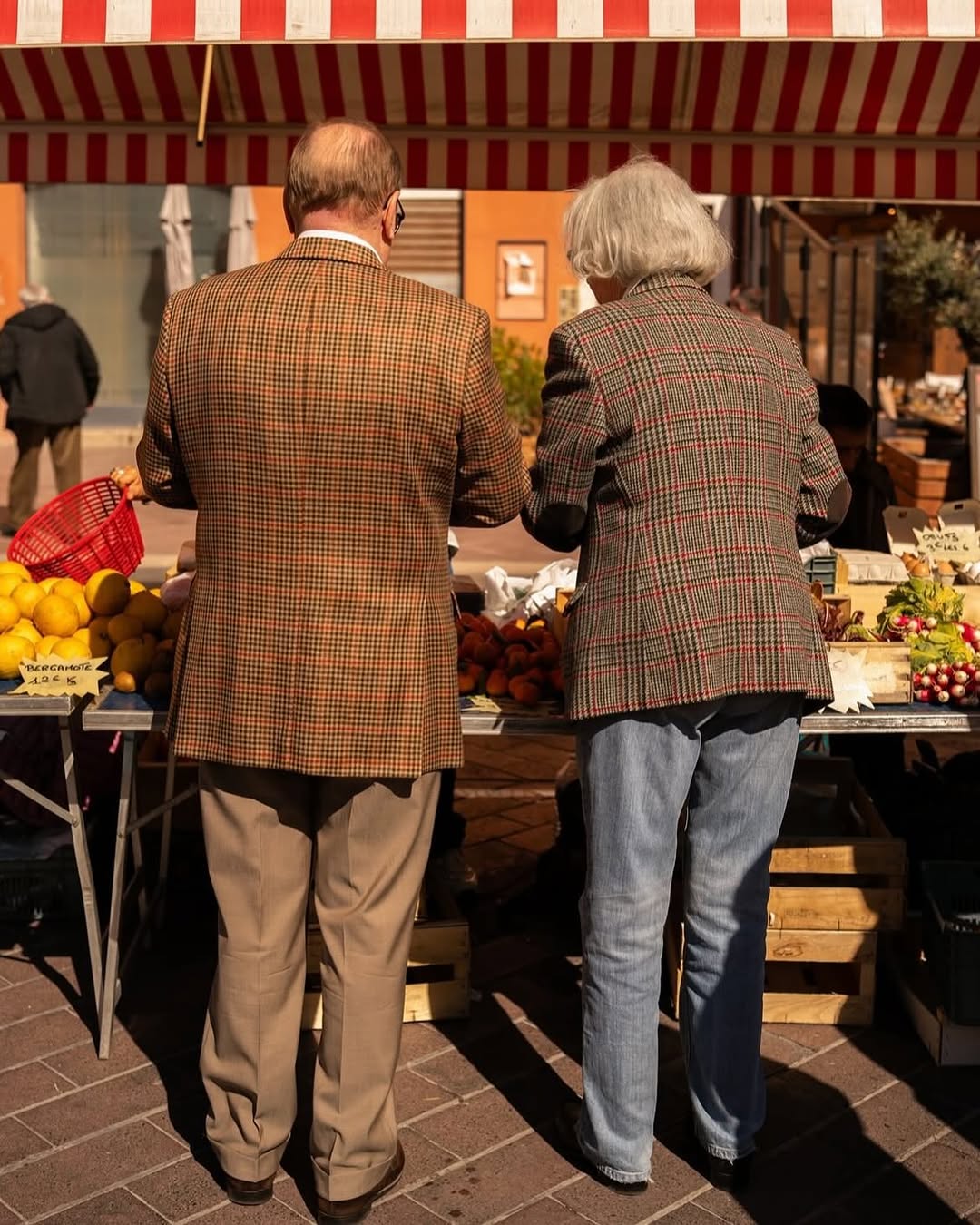
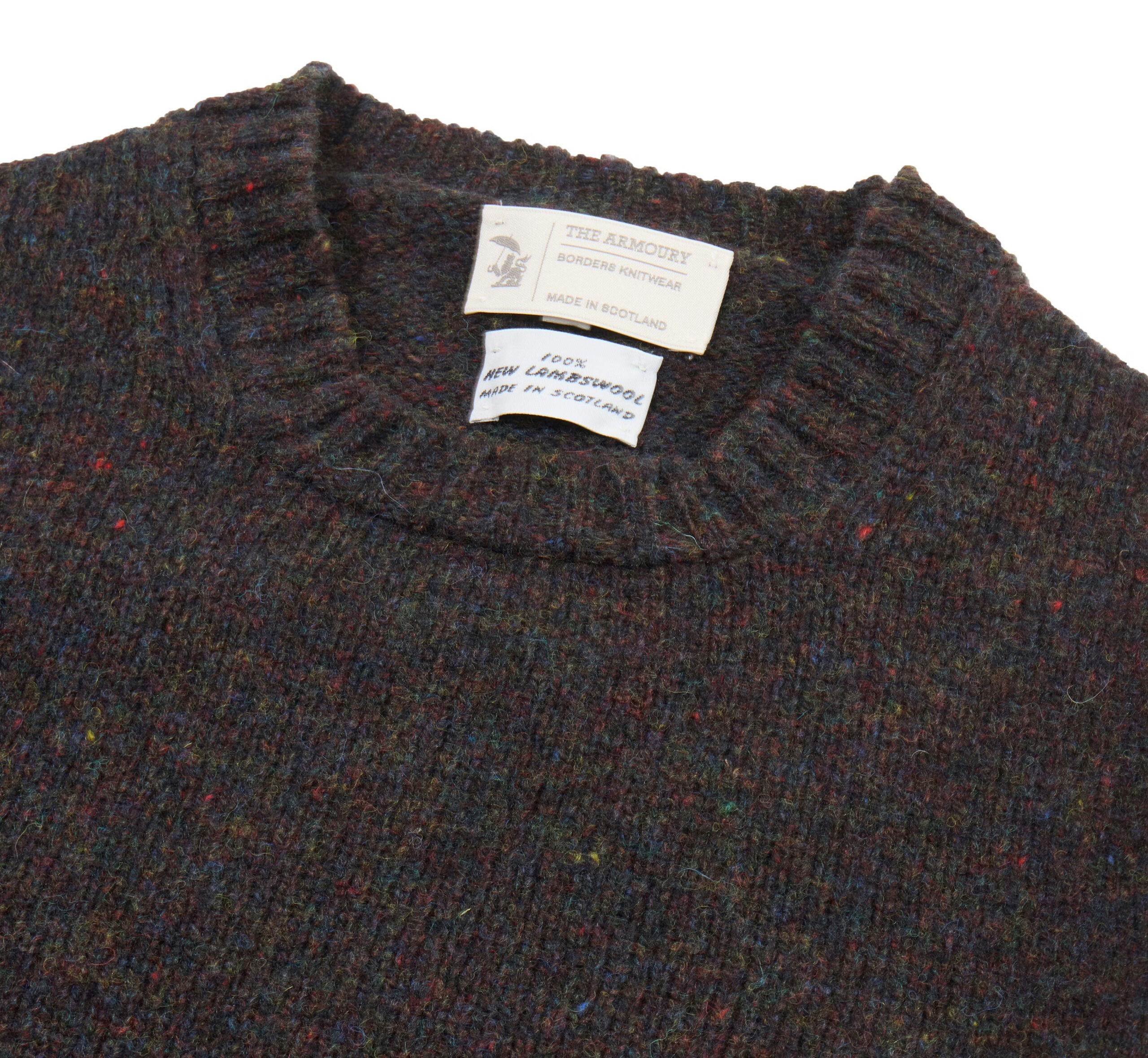
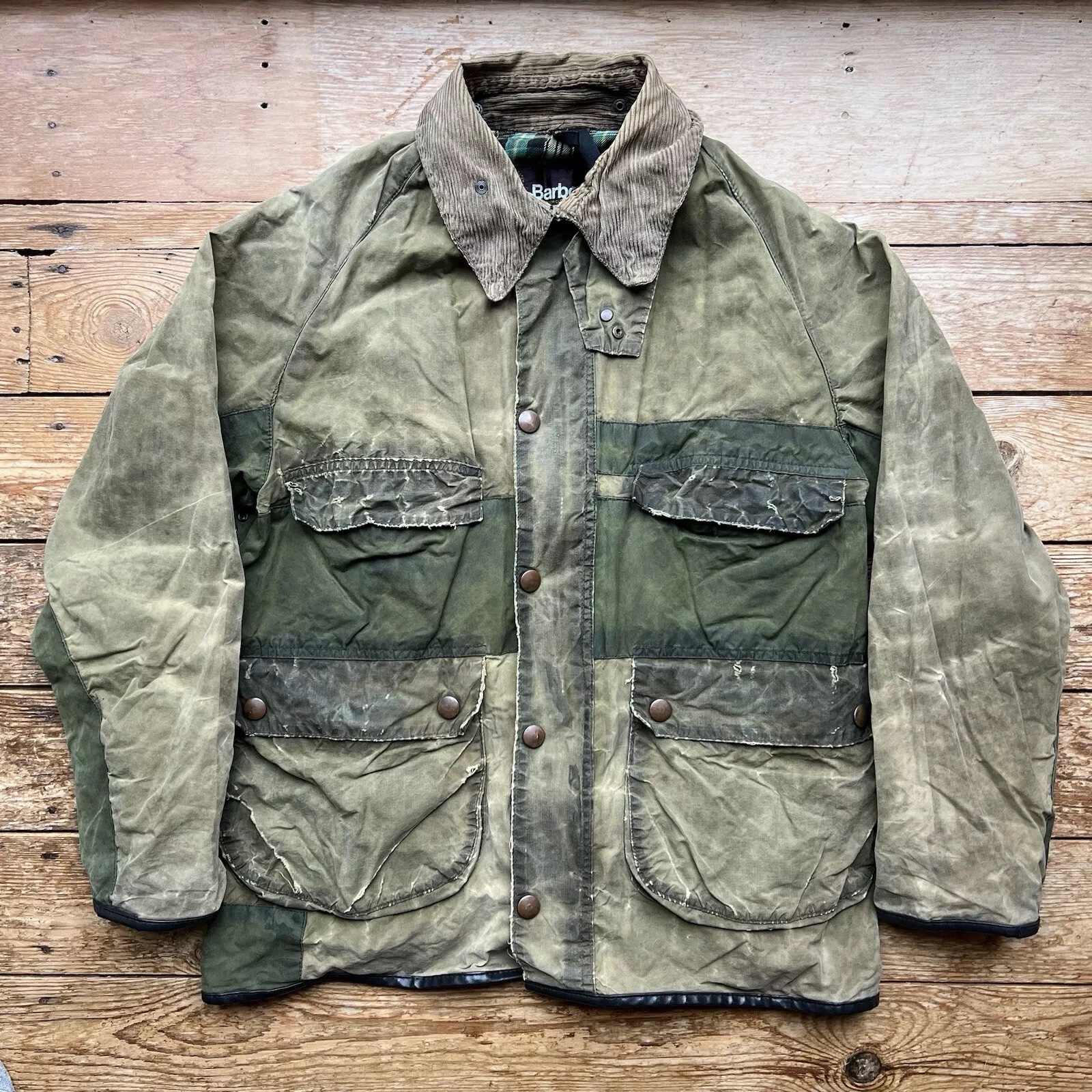
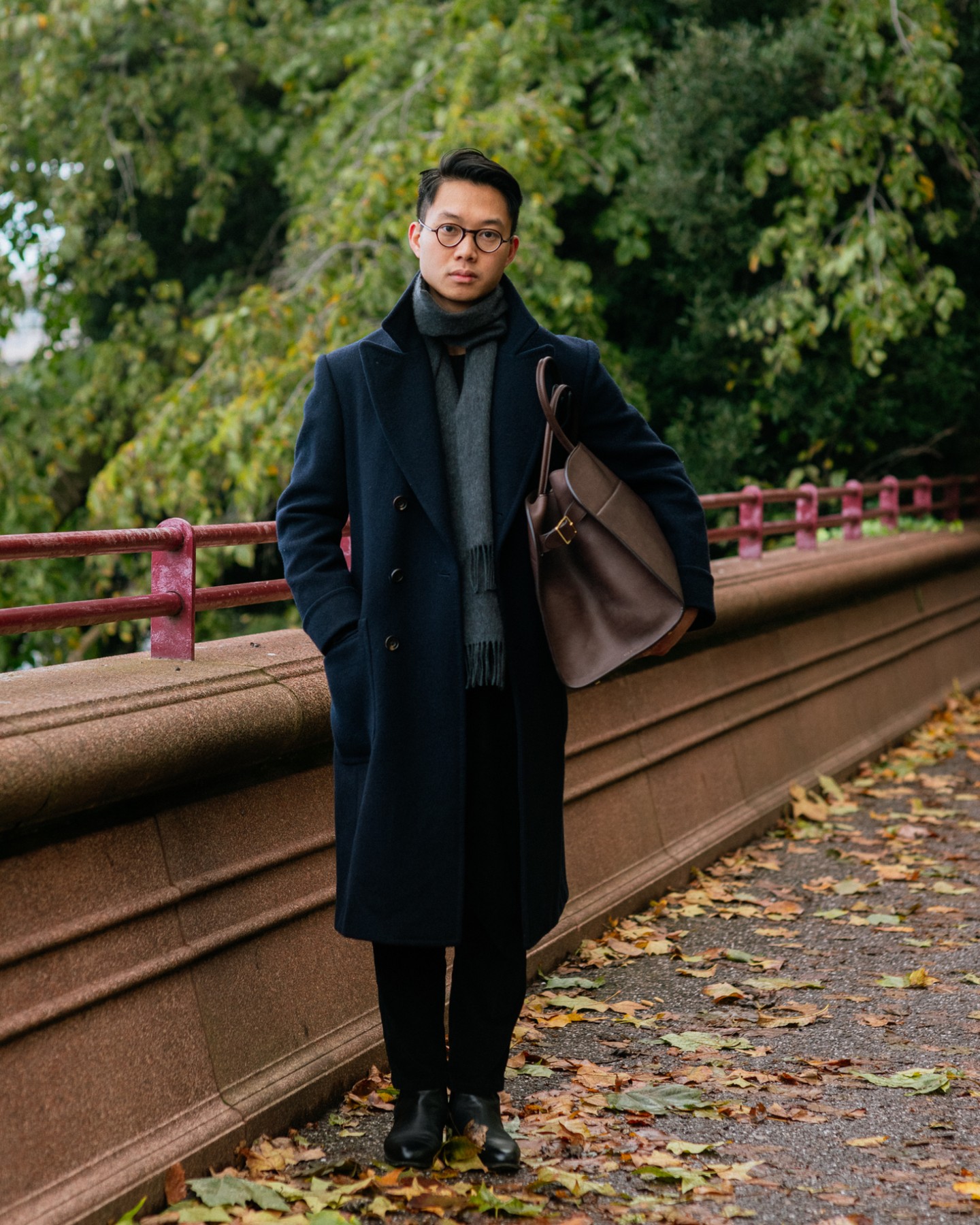
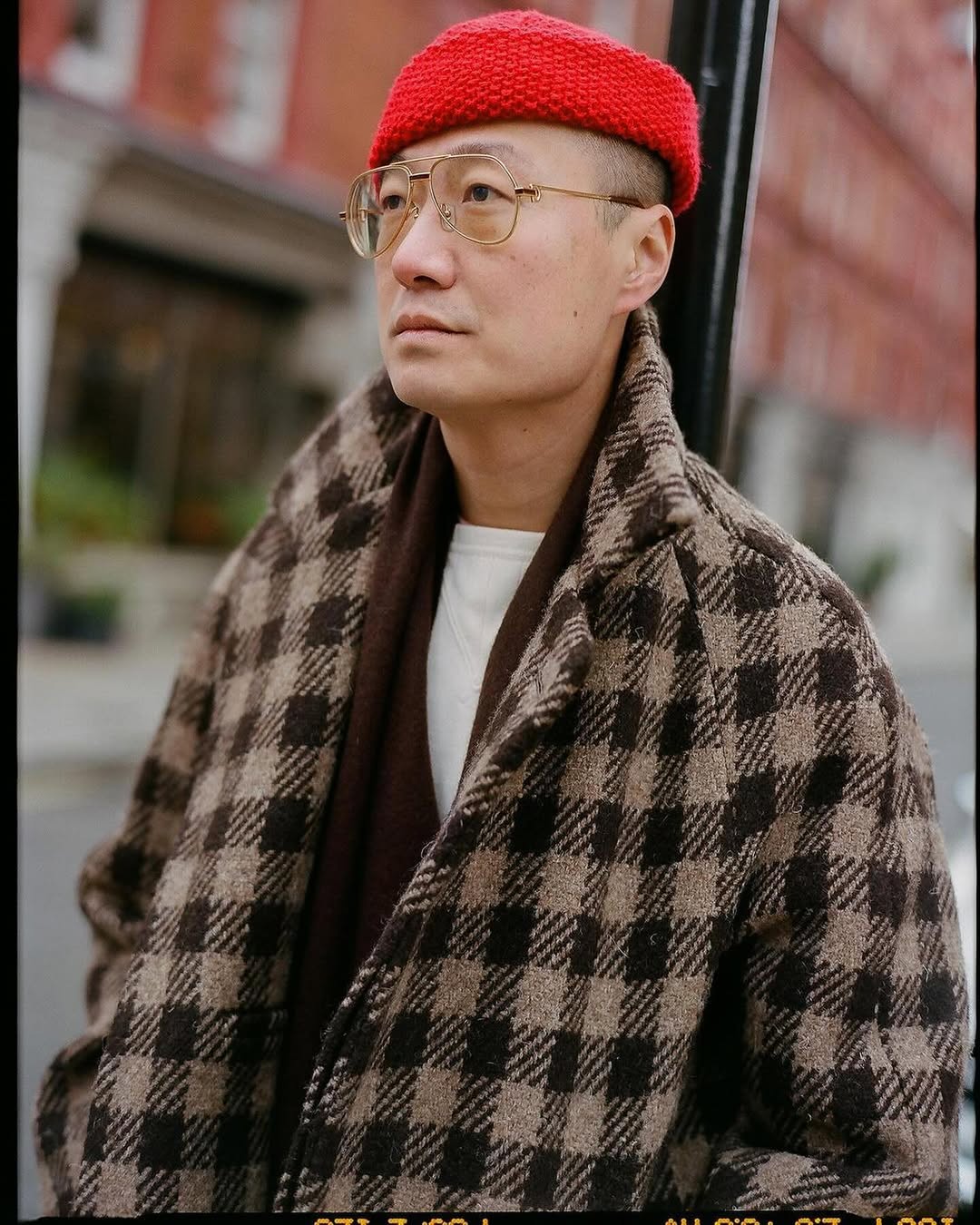
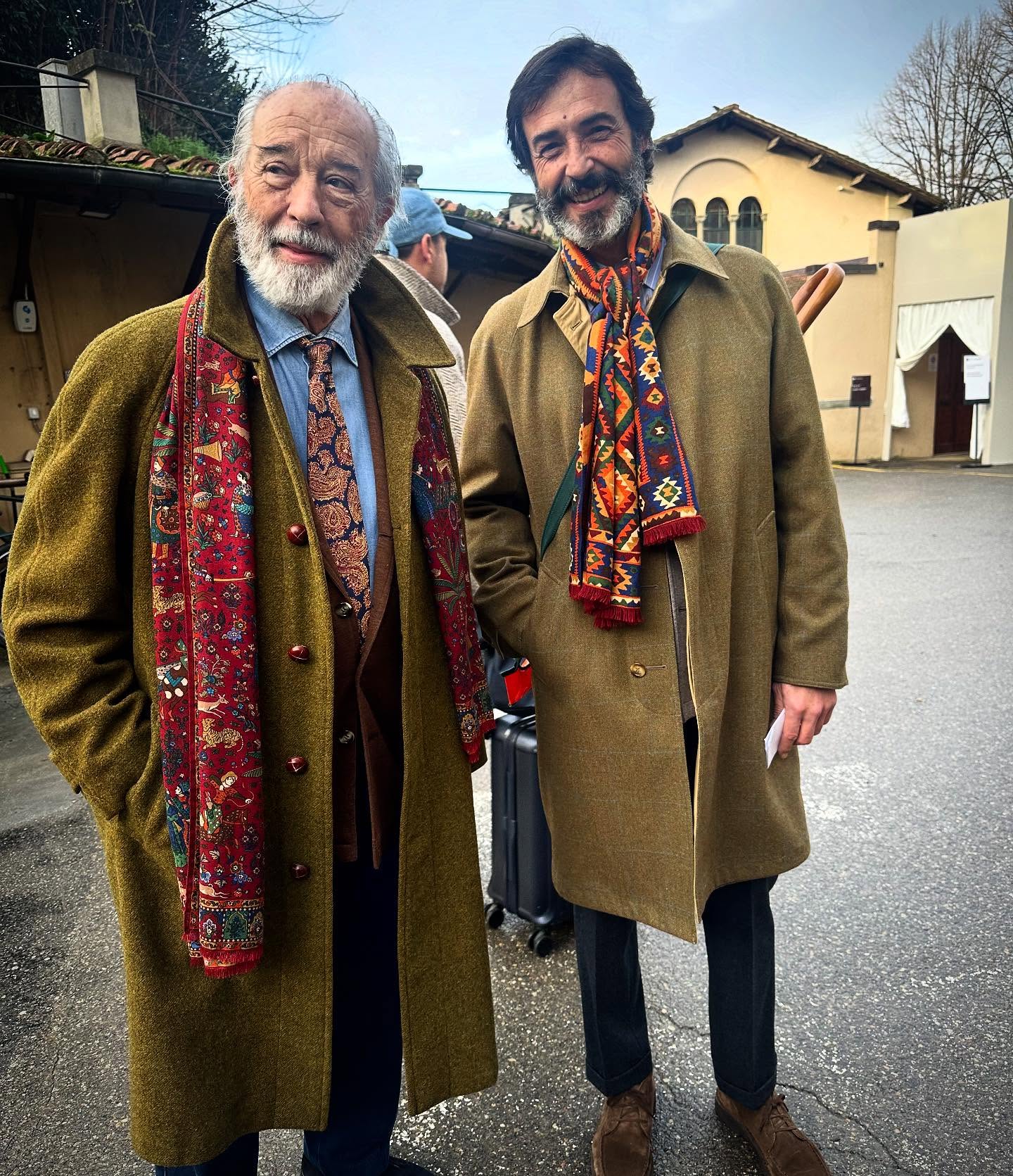
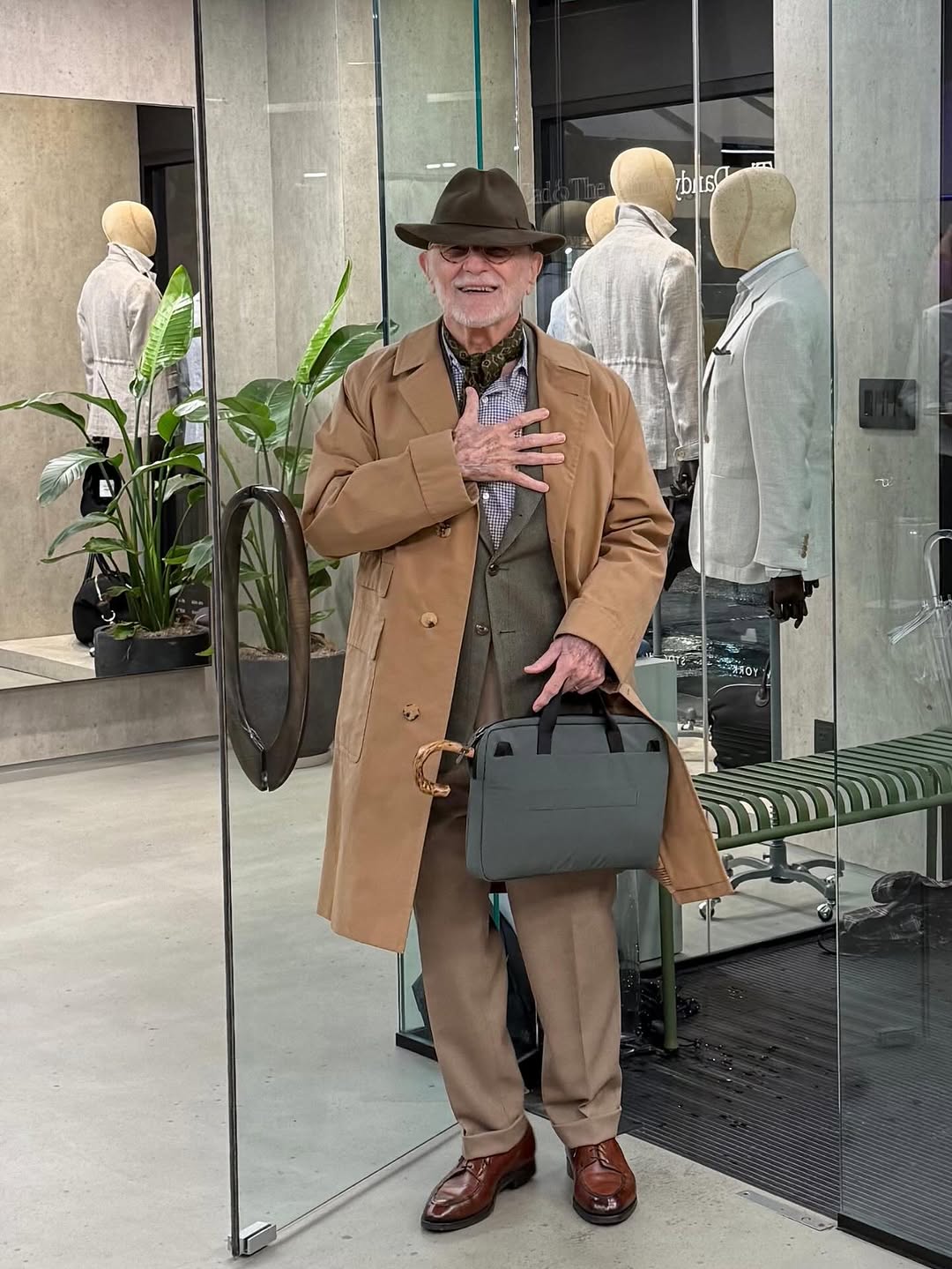
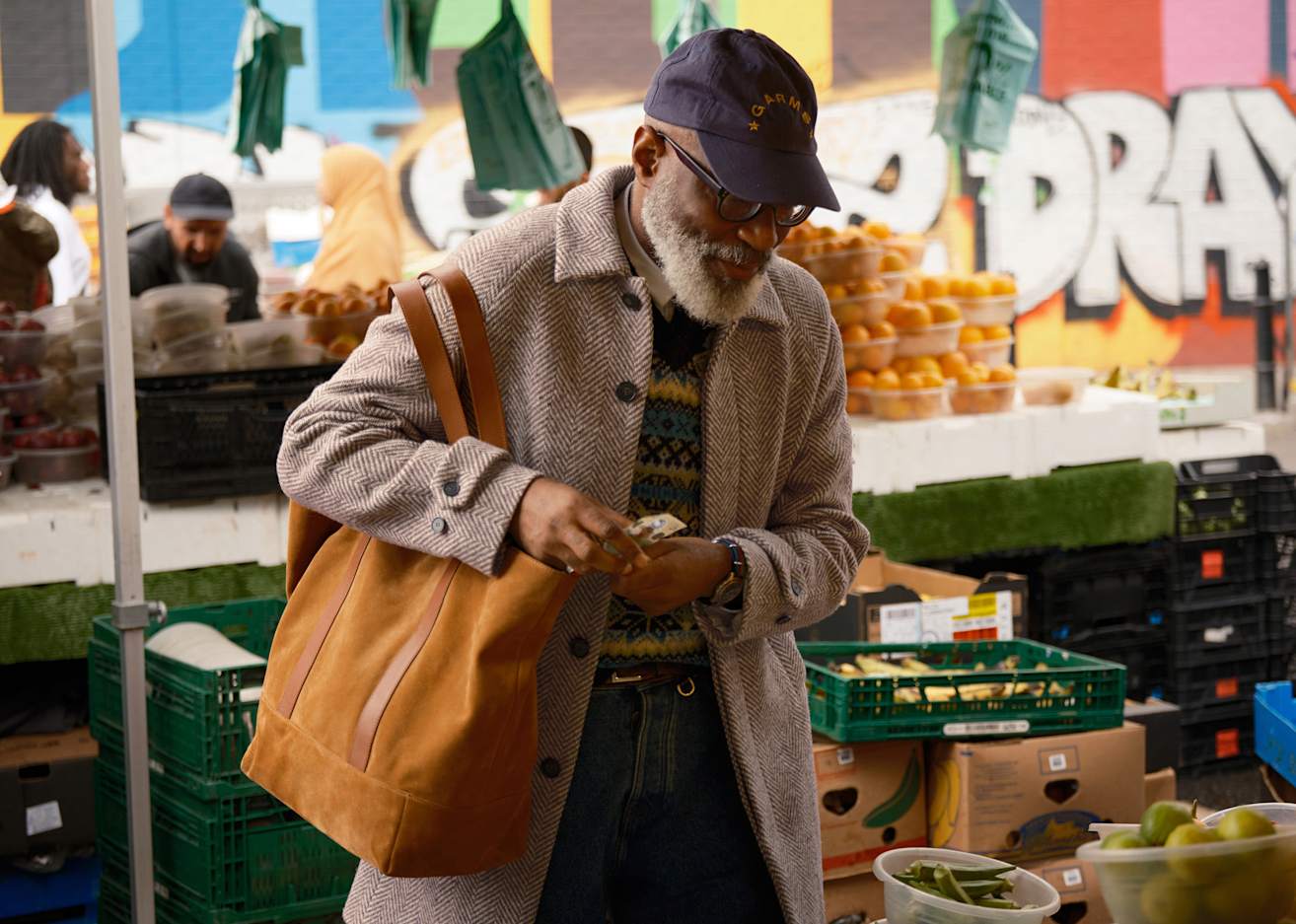
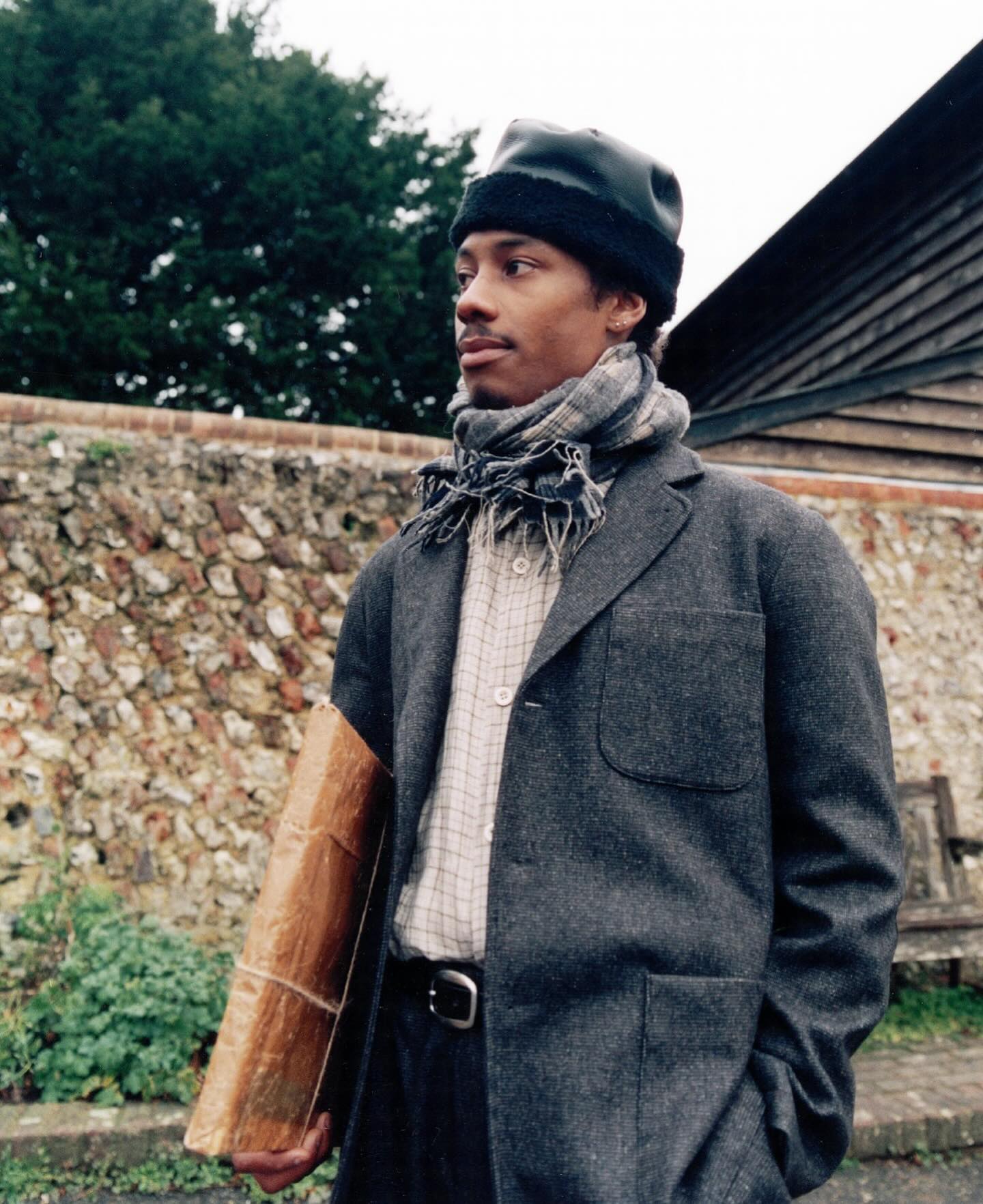
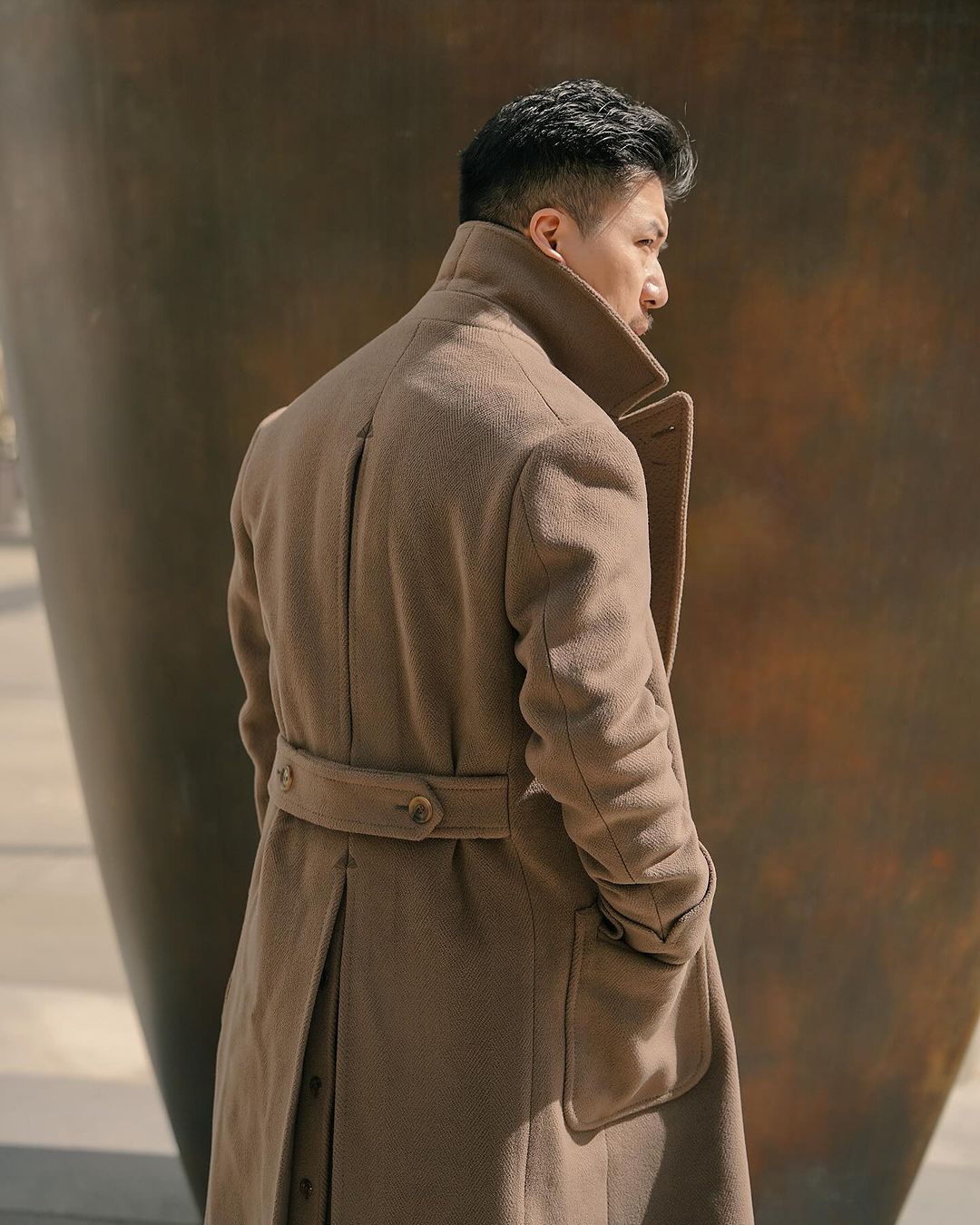
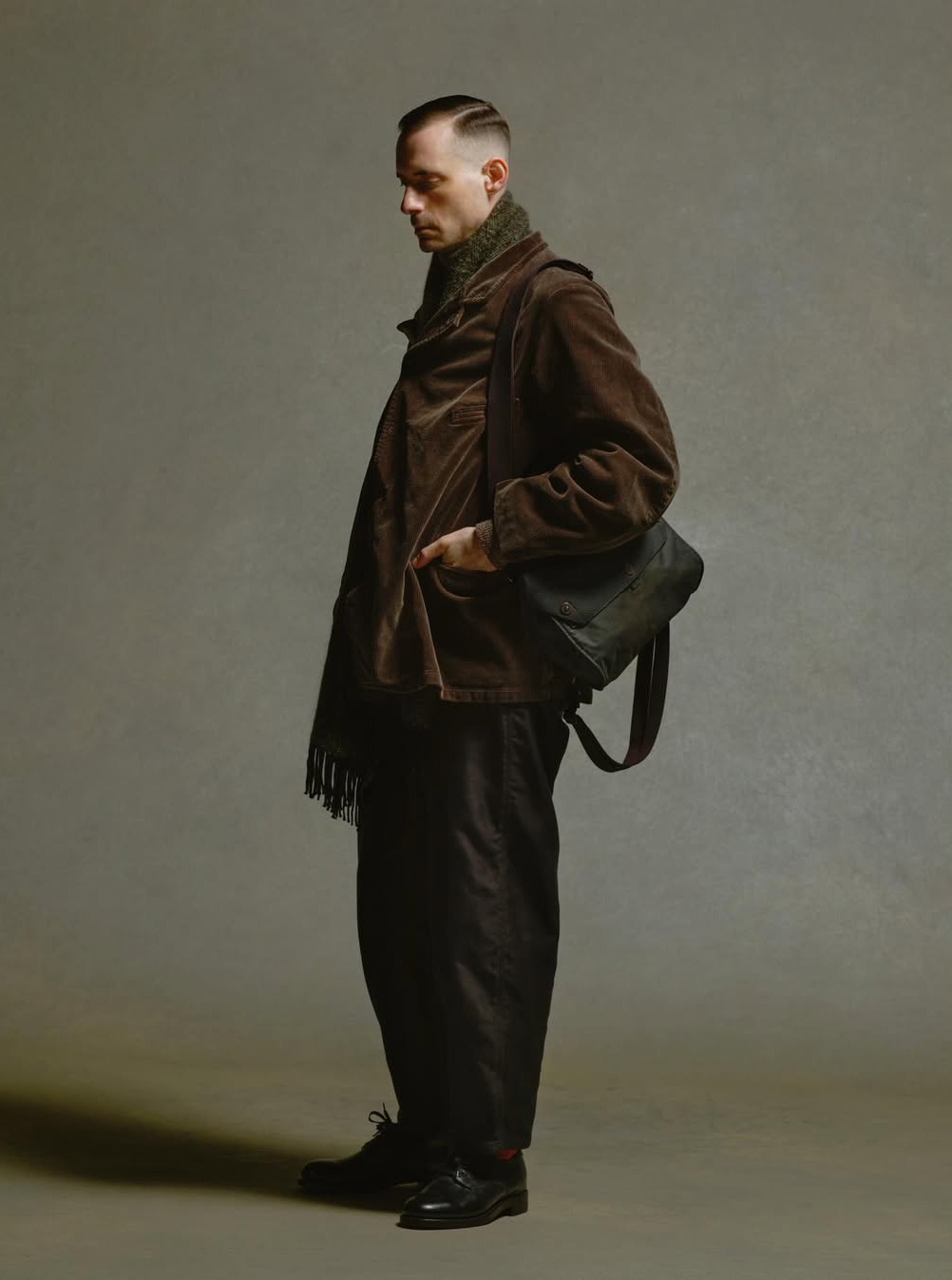
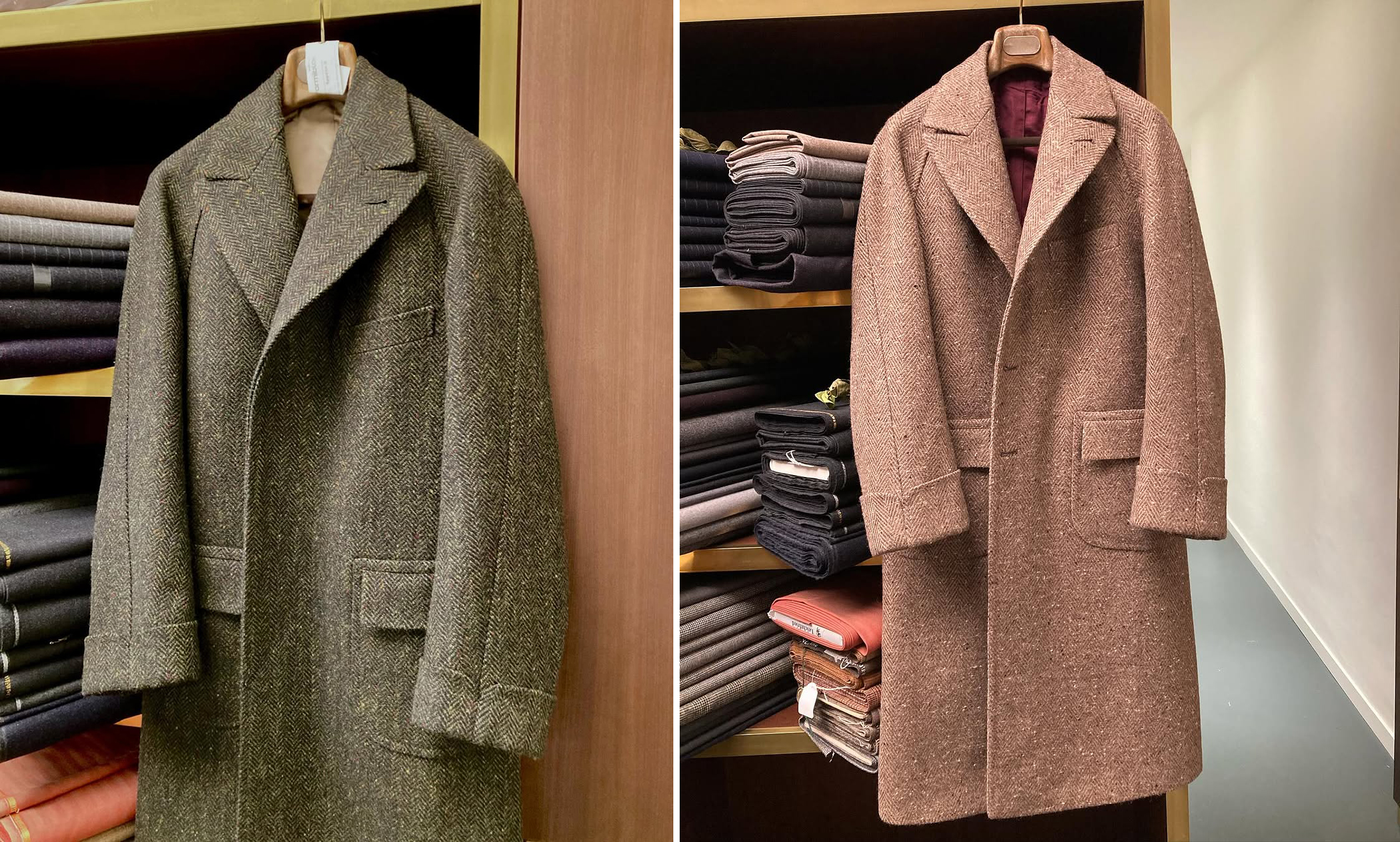
Taken together, these form Rybczynski’s “onion theory of comfort,” in which the cozy home emerges through centuries of domestic reorganization — first by establishing privacy, leisure, and ease, and then through the accumulation of personal memories and habits. I’ve been thinking about this idea recently in relation to clothes. Our favorite fall/winter clothes aren’t cozy because of their intrinsic properties. Waxed Barbour jackets breathe as well as trash bags; Harris Tweed is so abrasive, it can feel like the back of a dish sponge. Nonetheless, these things evoke a sense of coziness, which is more emotional than physical. Their layers provide a sense of enclosure, much like small, specialized rooms nestled within a home. Wrapping a double-breasted, raglan overcoat around your body can make you feel like you’re swaddling yourself in a blanket. Fabrics such as tweed and flannel tug at our sense of nostalgia, the coziest sentiment of all. Every season, I make a list of things I’m excited to wear. And this season, I’m inspired by clothes that recreate the feeling of a cozy home.
THORNPROOF SUITS
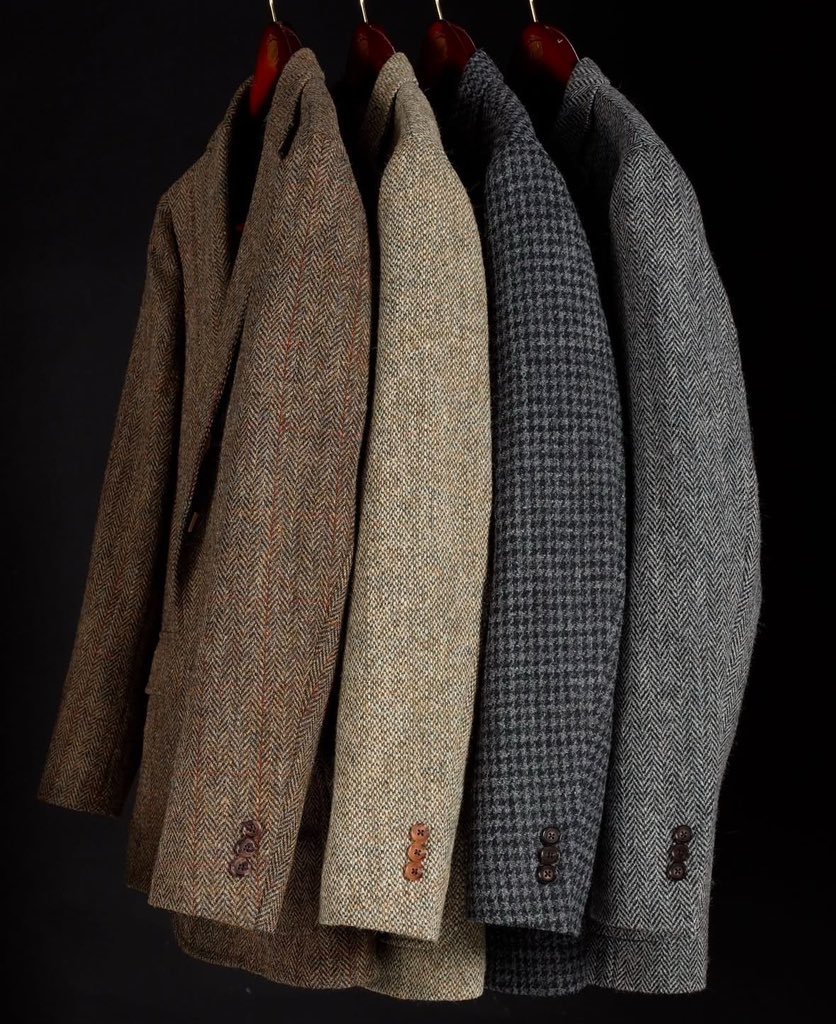
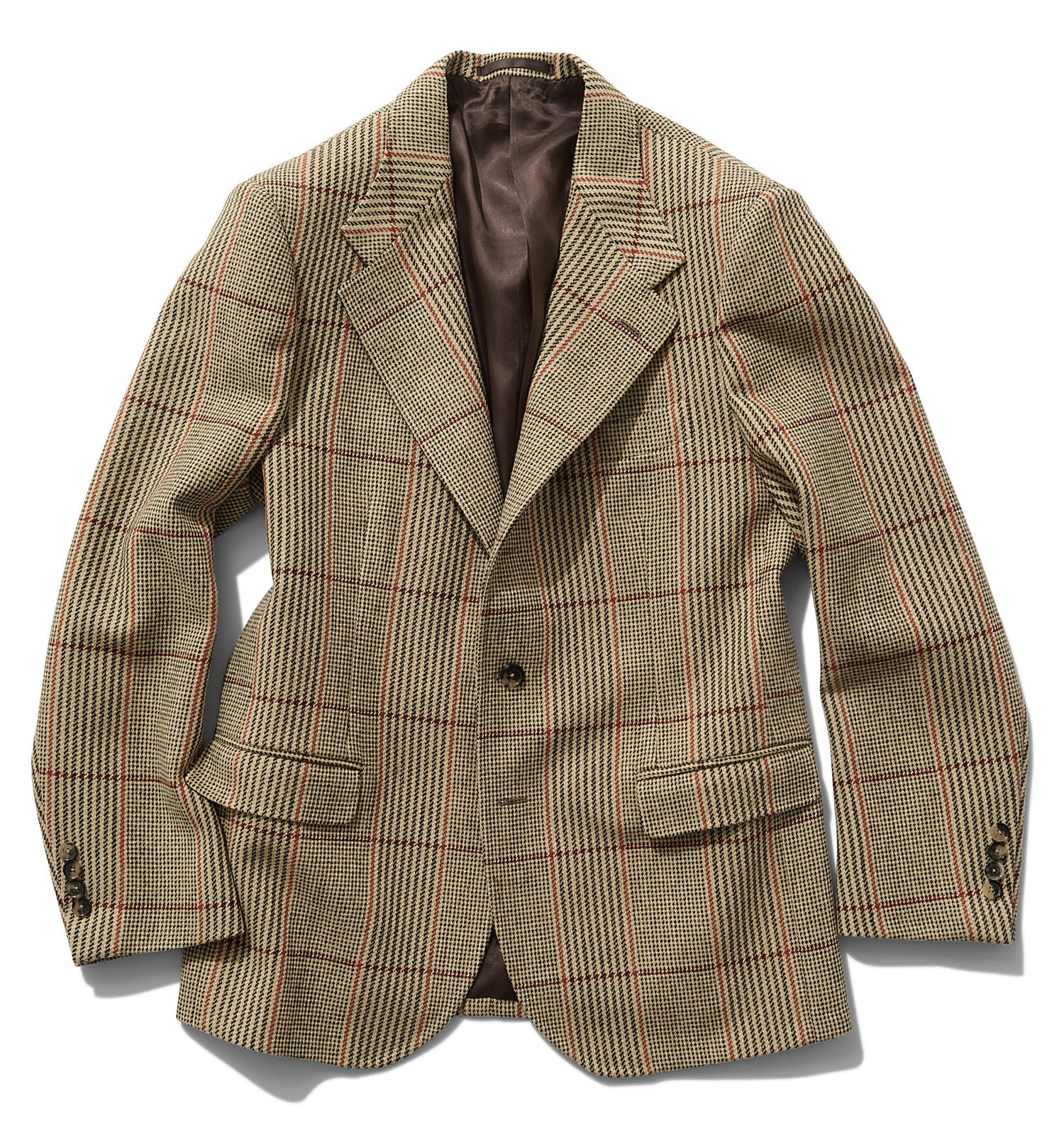
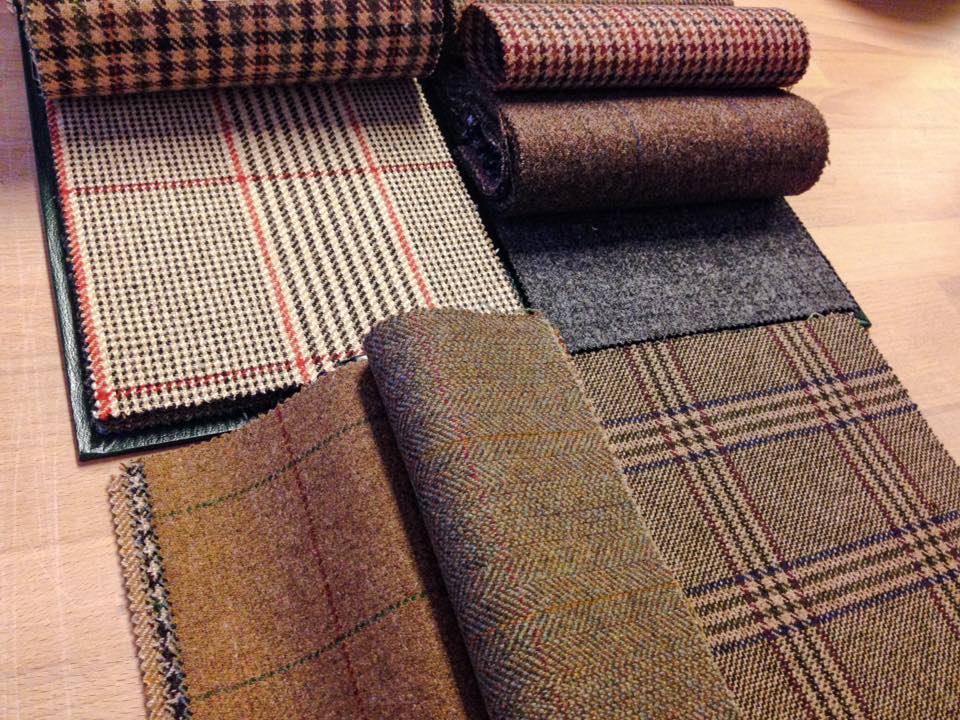
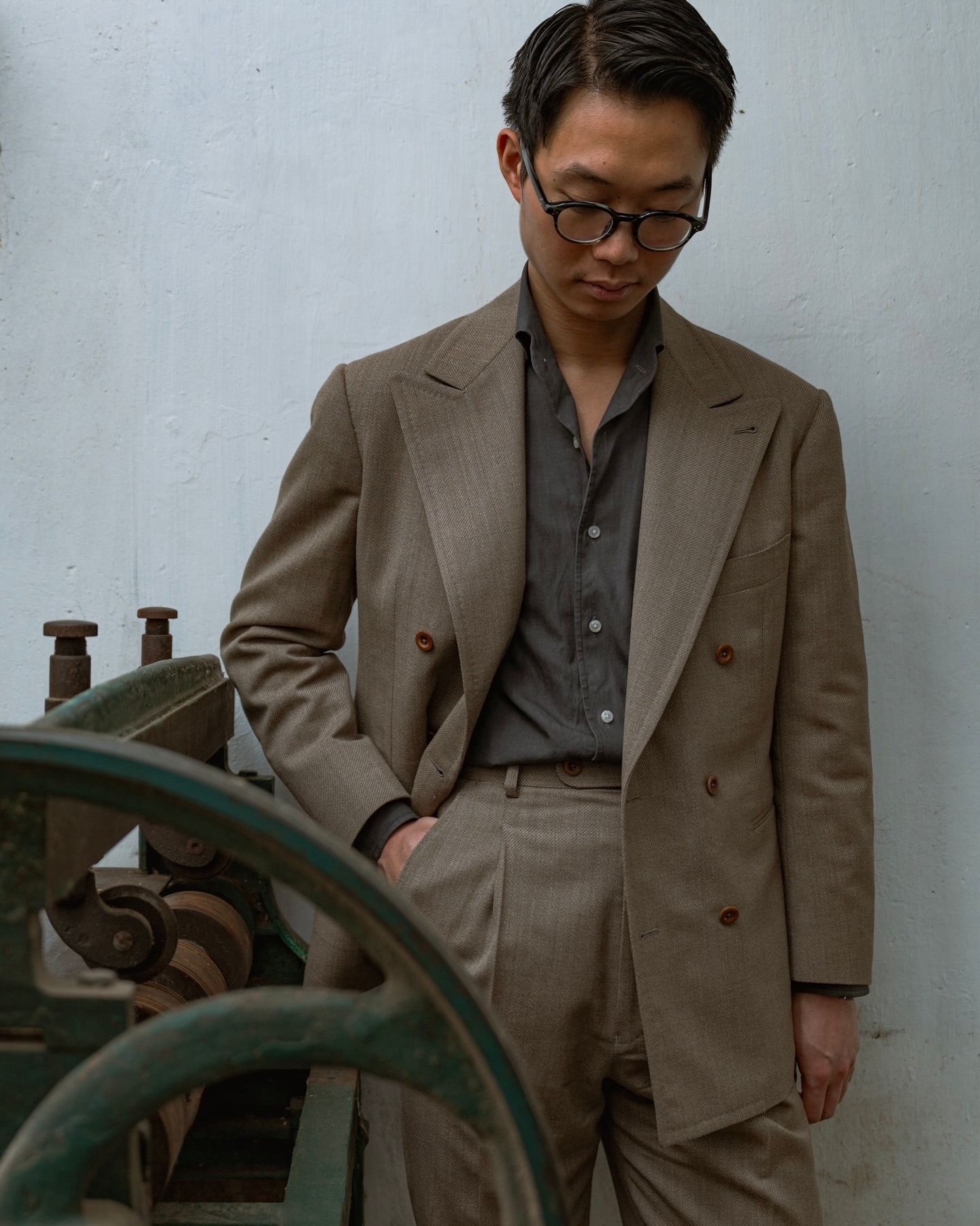
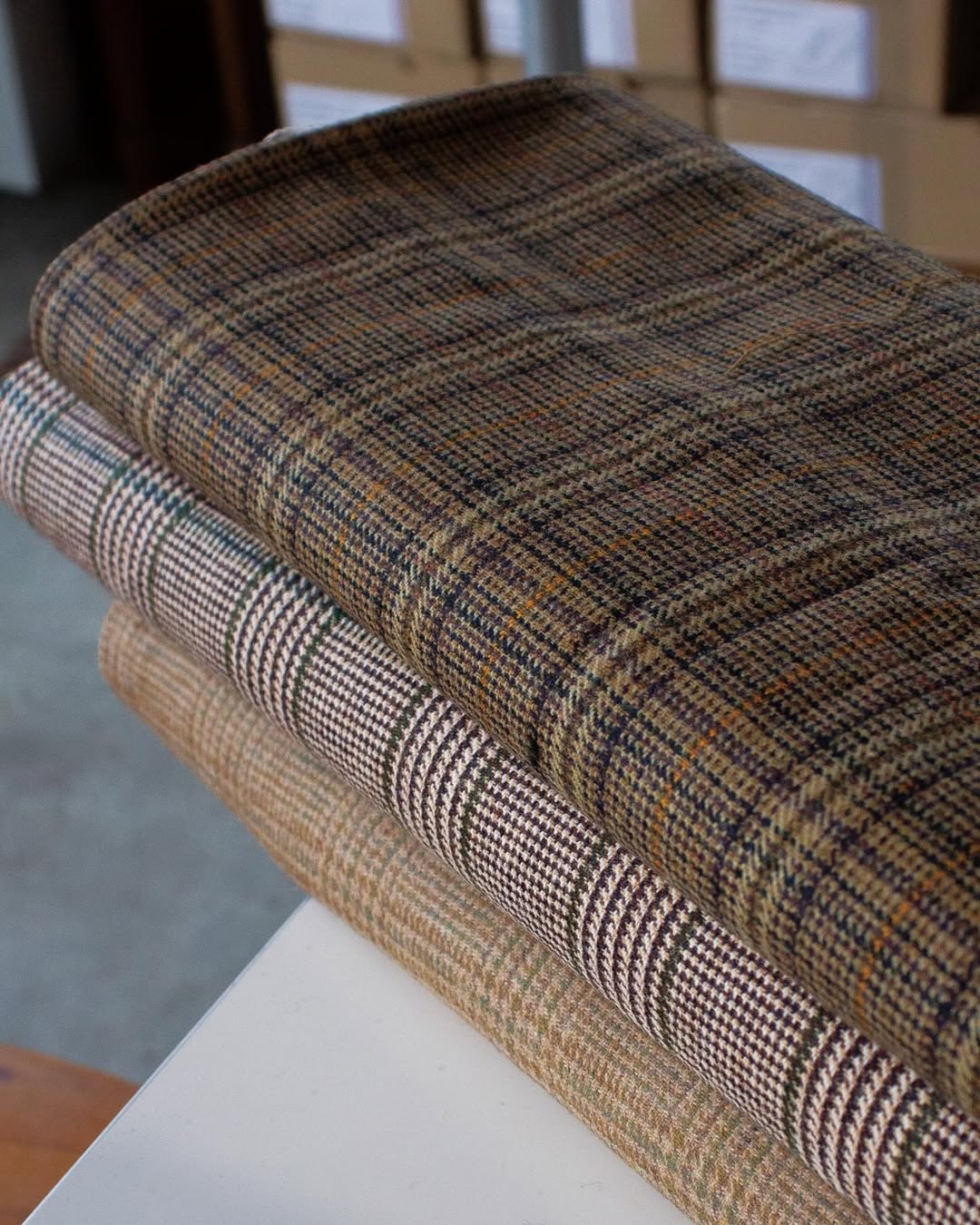
Although we often think of tweed as a single fabric, it comes in wide varieties, much like wine or cheese. Their characteristics can differ depending on several factors. Cheviot sheep raised along the Scottish border produce coarser, springier wool, whereas Shetland breed on the islands grow a varied fleece that results in a loftier cloth. The balance of woolen and worsted yarns also matters. Porter & Harding’s Glenroyal combines the two to produce a cloth so smooth that Harrison’s director Mark Dunsford once described it to me as “city tweed.”
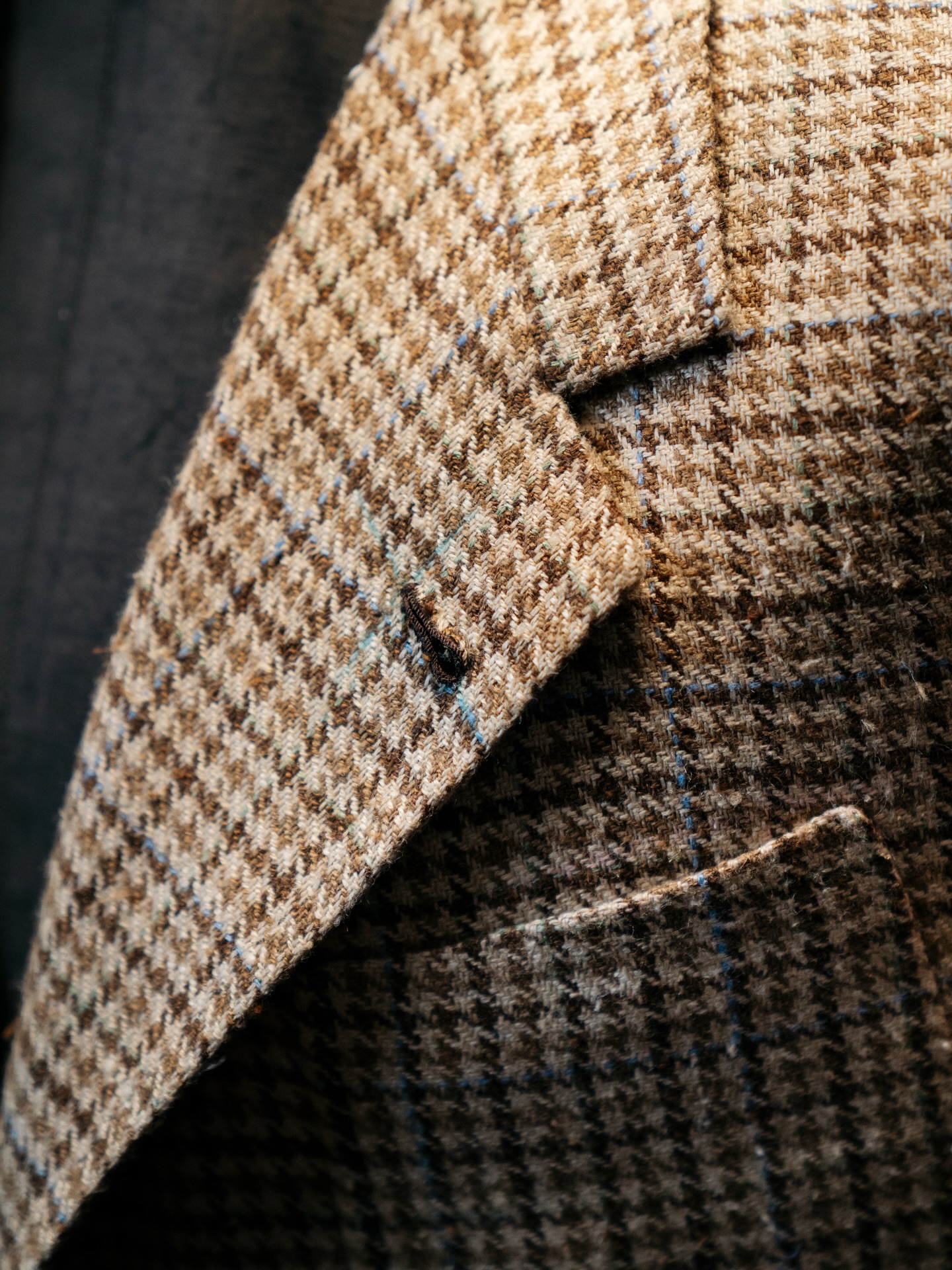
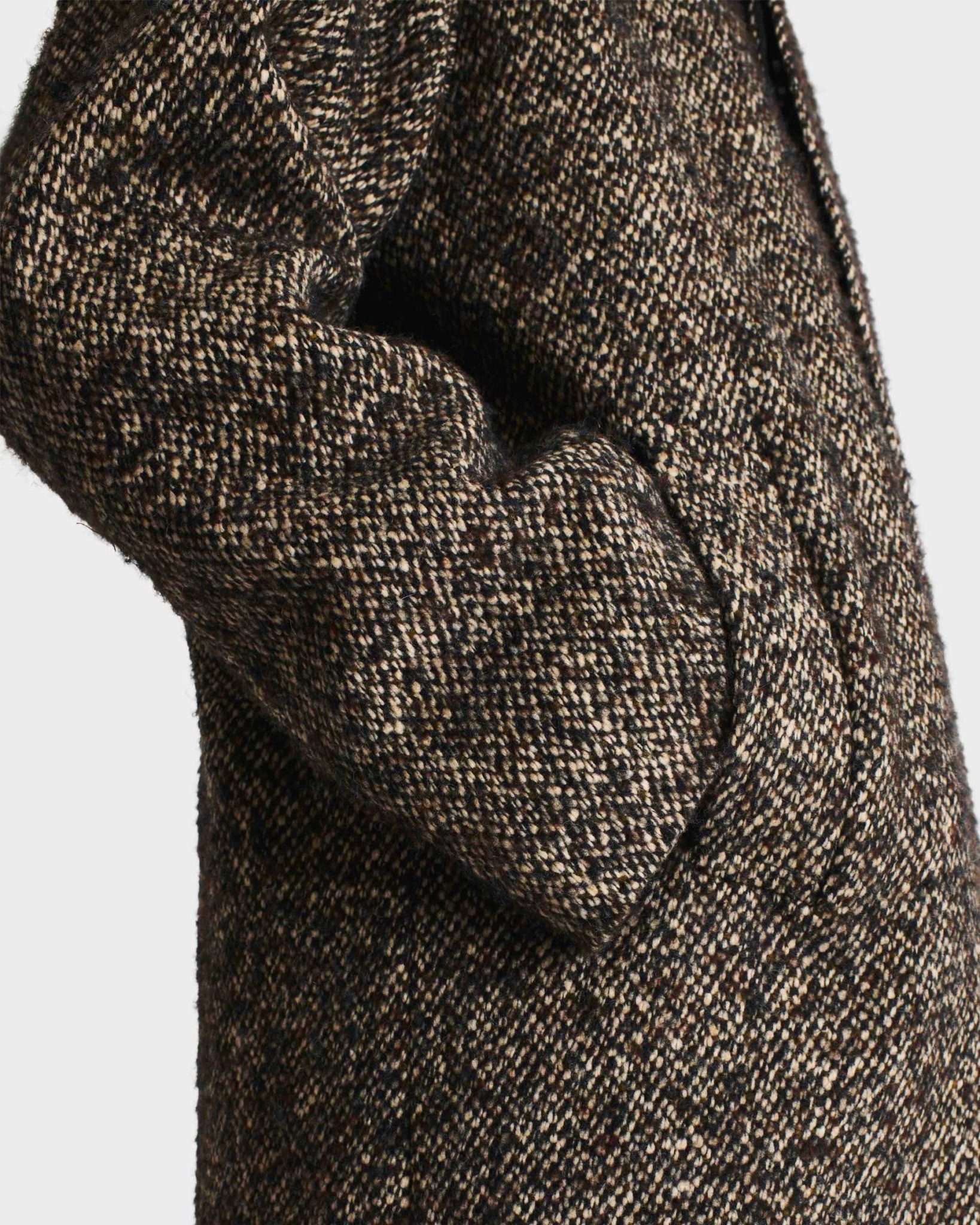
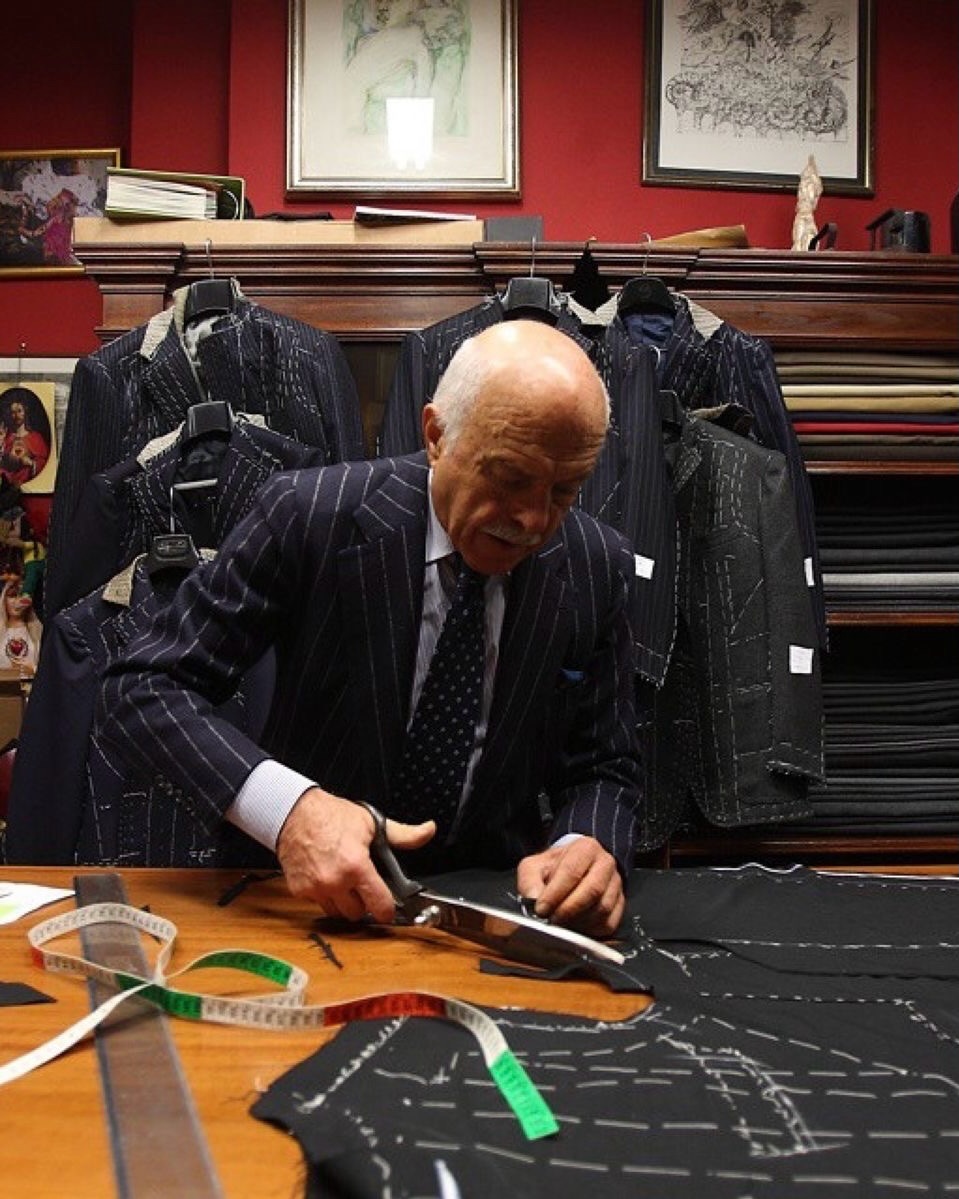
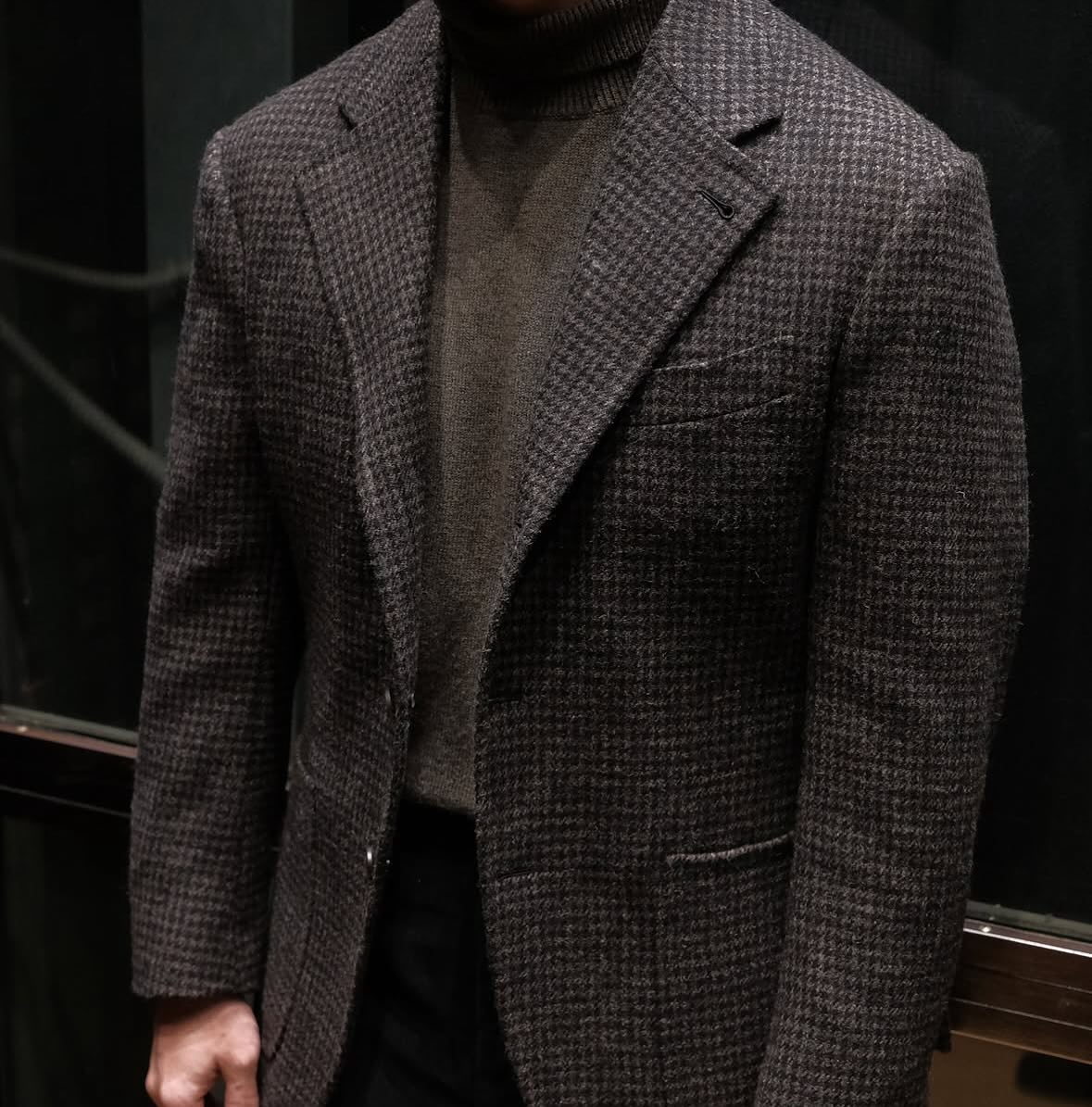
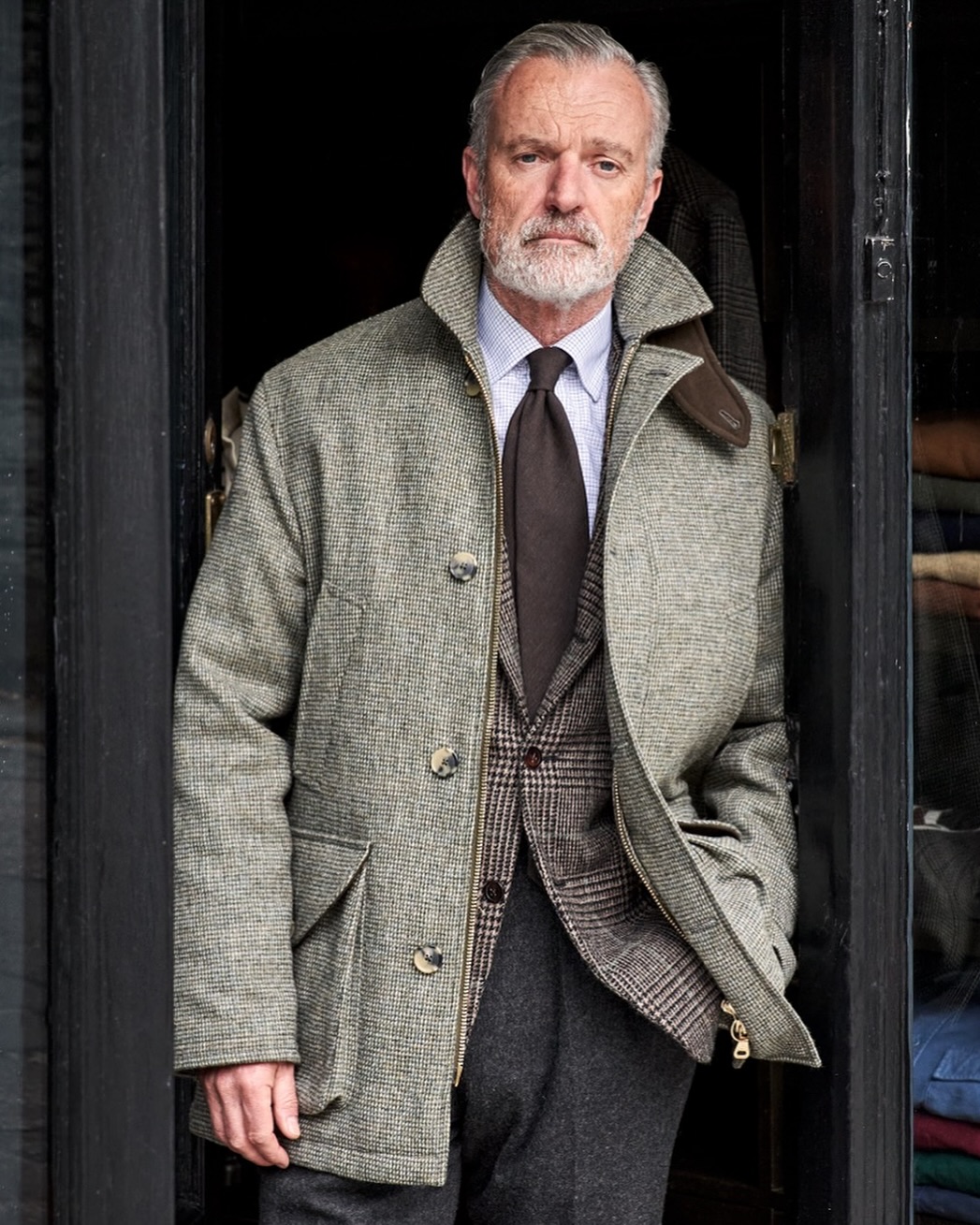
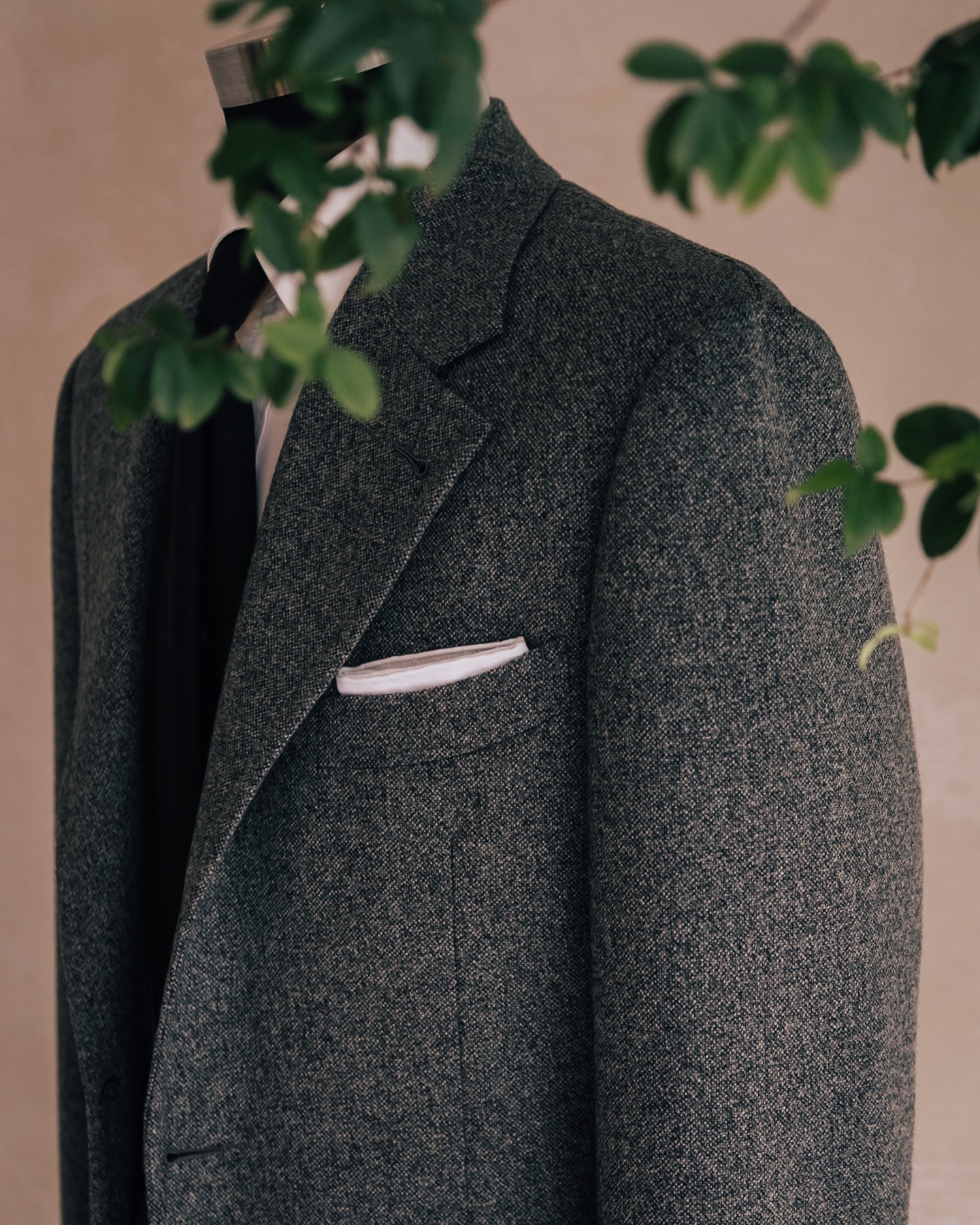
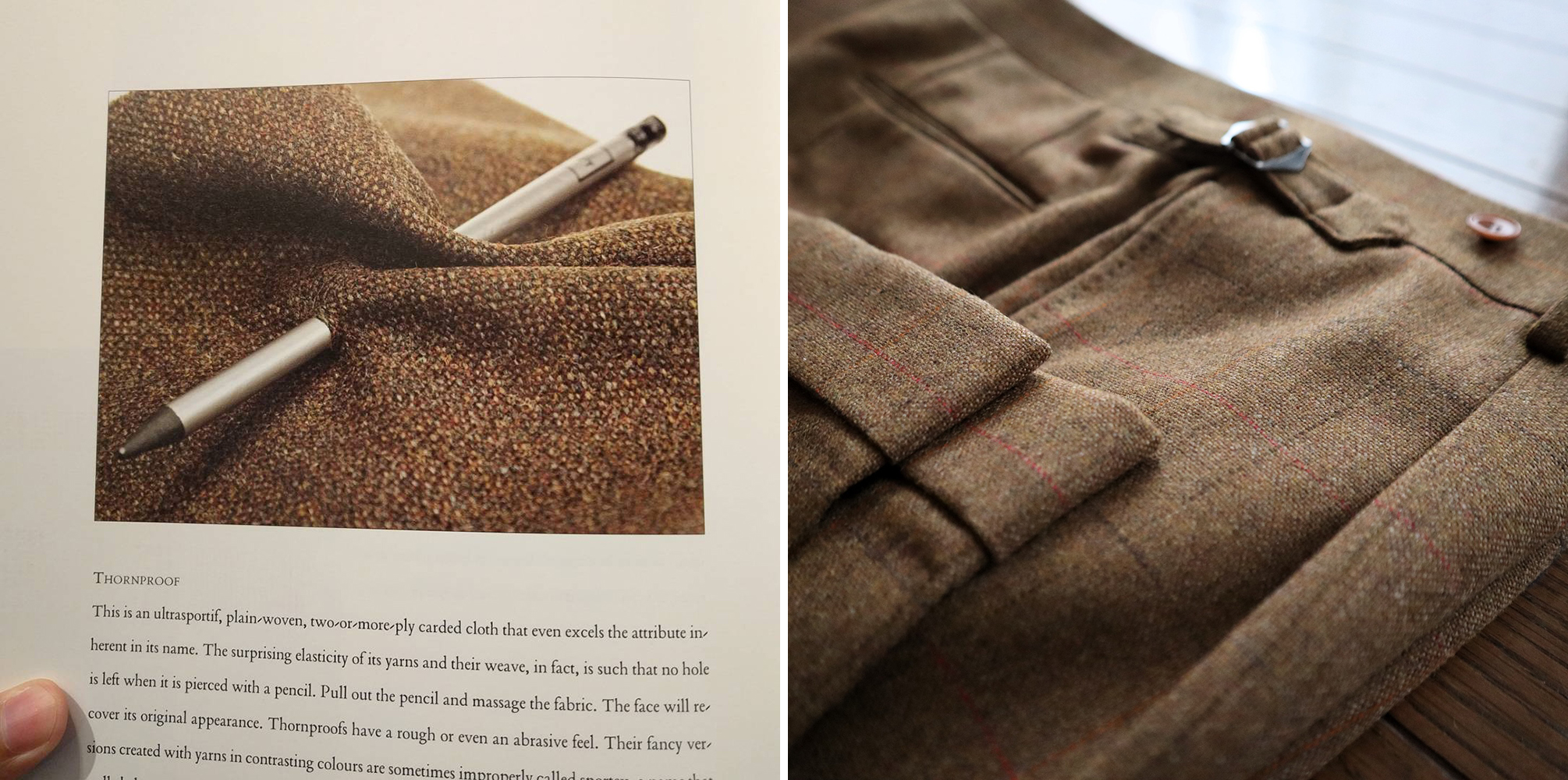
The problem is that most tweeds are too spongy, soft, or scratchy to be made into a suit. Trousers need fabrics with a certain density; otherwise, they will bag at the knees. As such, the two best fabrics for tweed suits include the famous Donegal, whose colorful speckles will make you look like a sprinkled donut, and the lesser-known Thornproof. Traditionally used for hunting and sporting gear, Thornproof is distinguished by a weave that is so dense, it can resist wind, rain, and, most importantly, thorns. It’s said that you can pierce Thornproof with a pencil and no hole will be visible once you massage the fabric. This made it especially useful for hunters who had to push through brambles and thick underbrush.
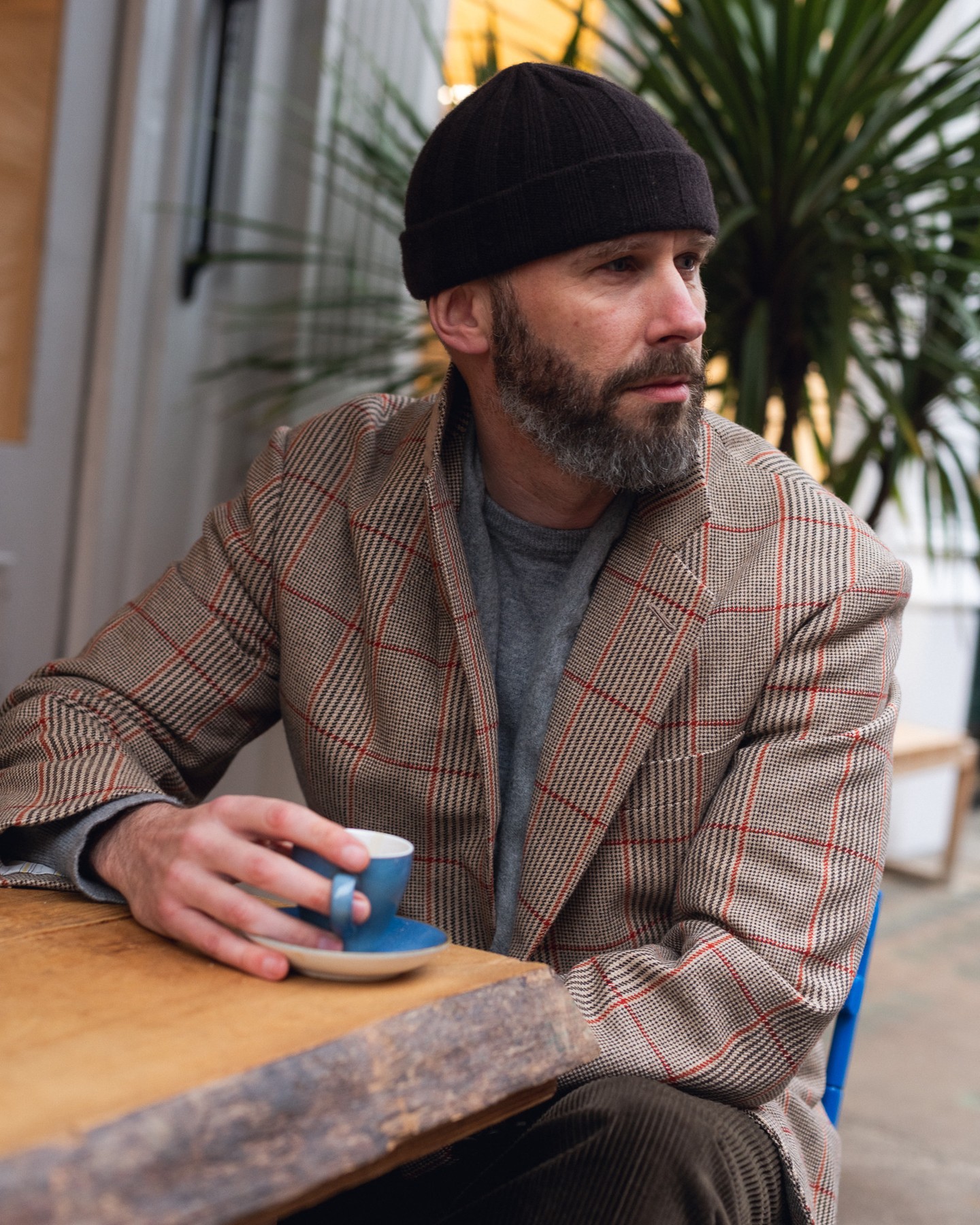
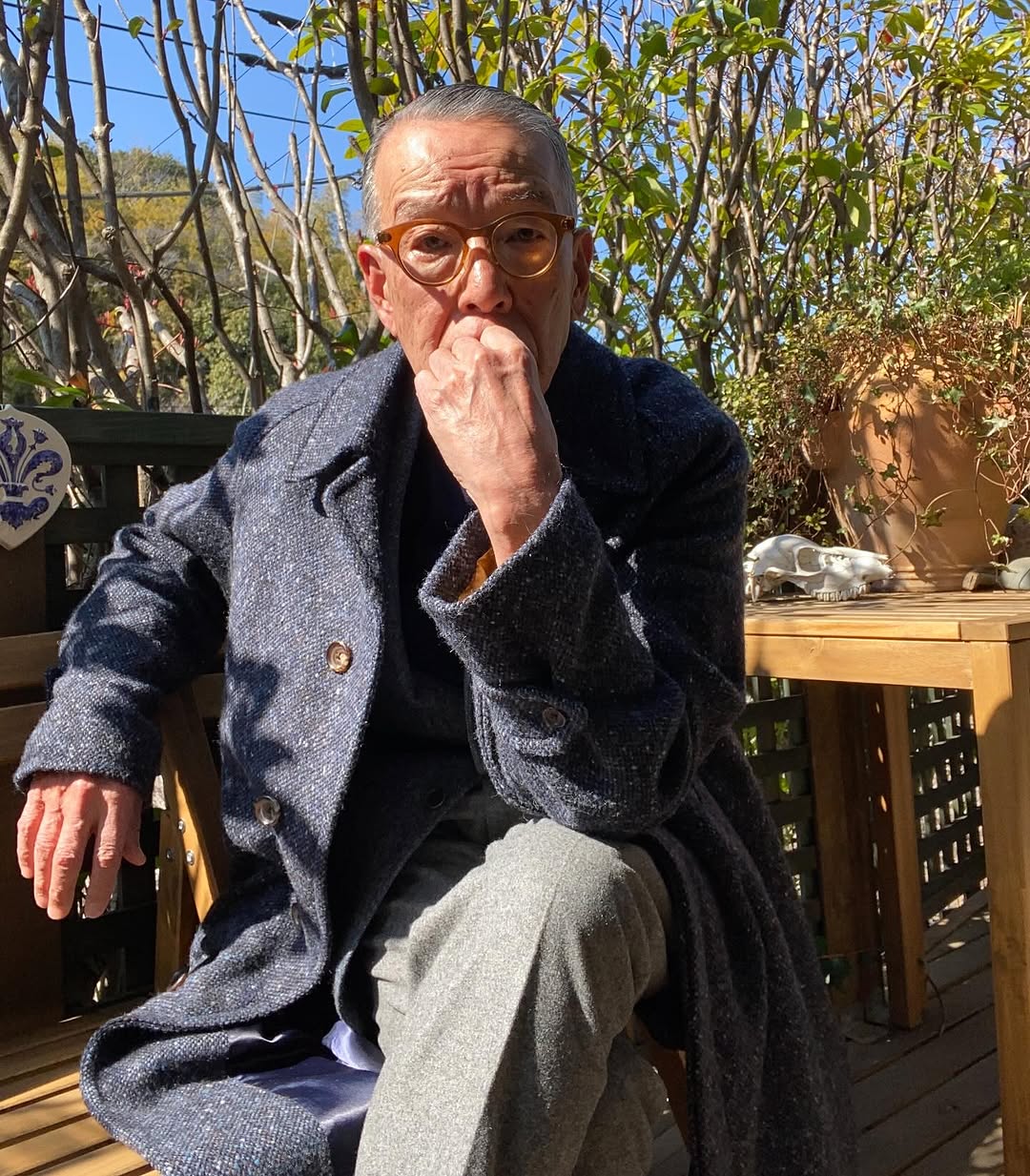
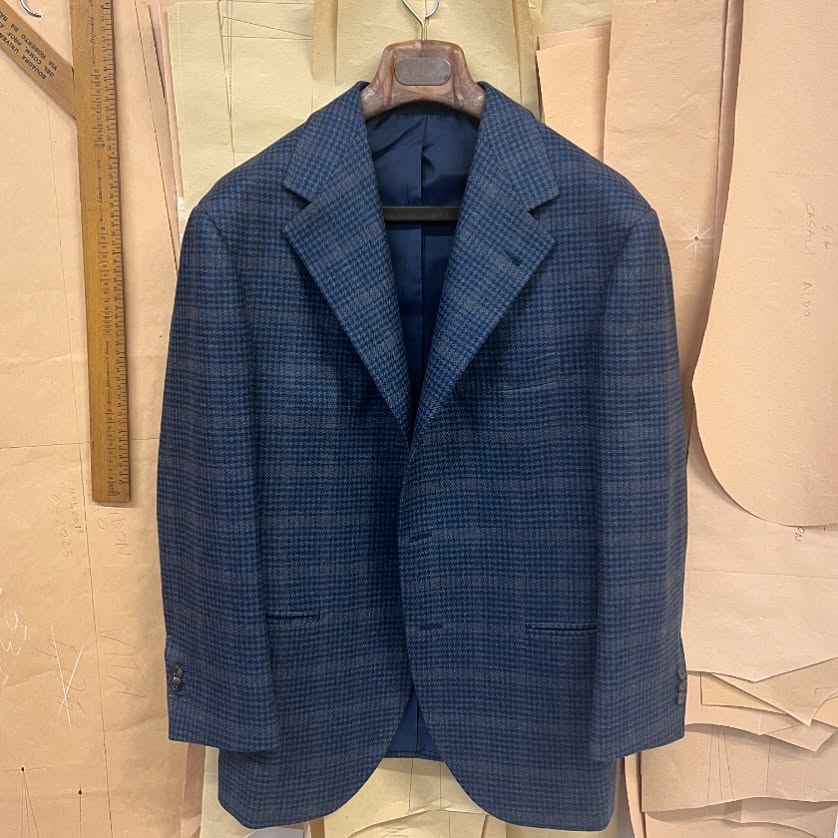
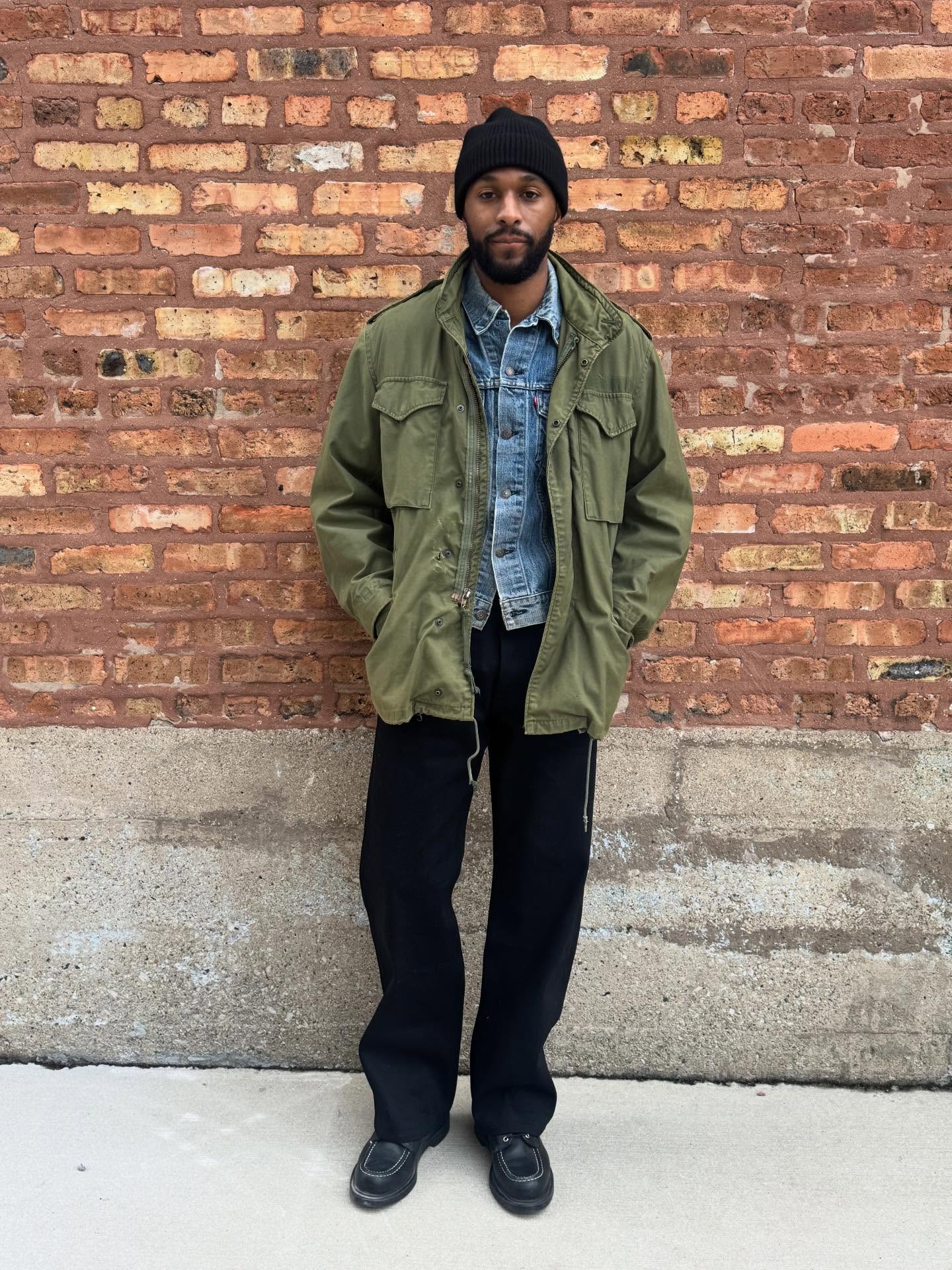
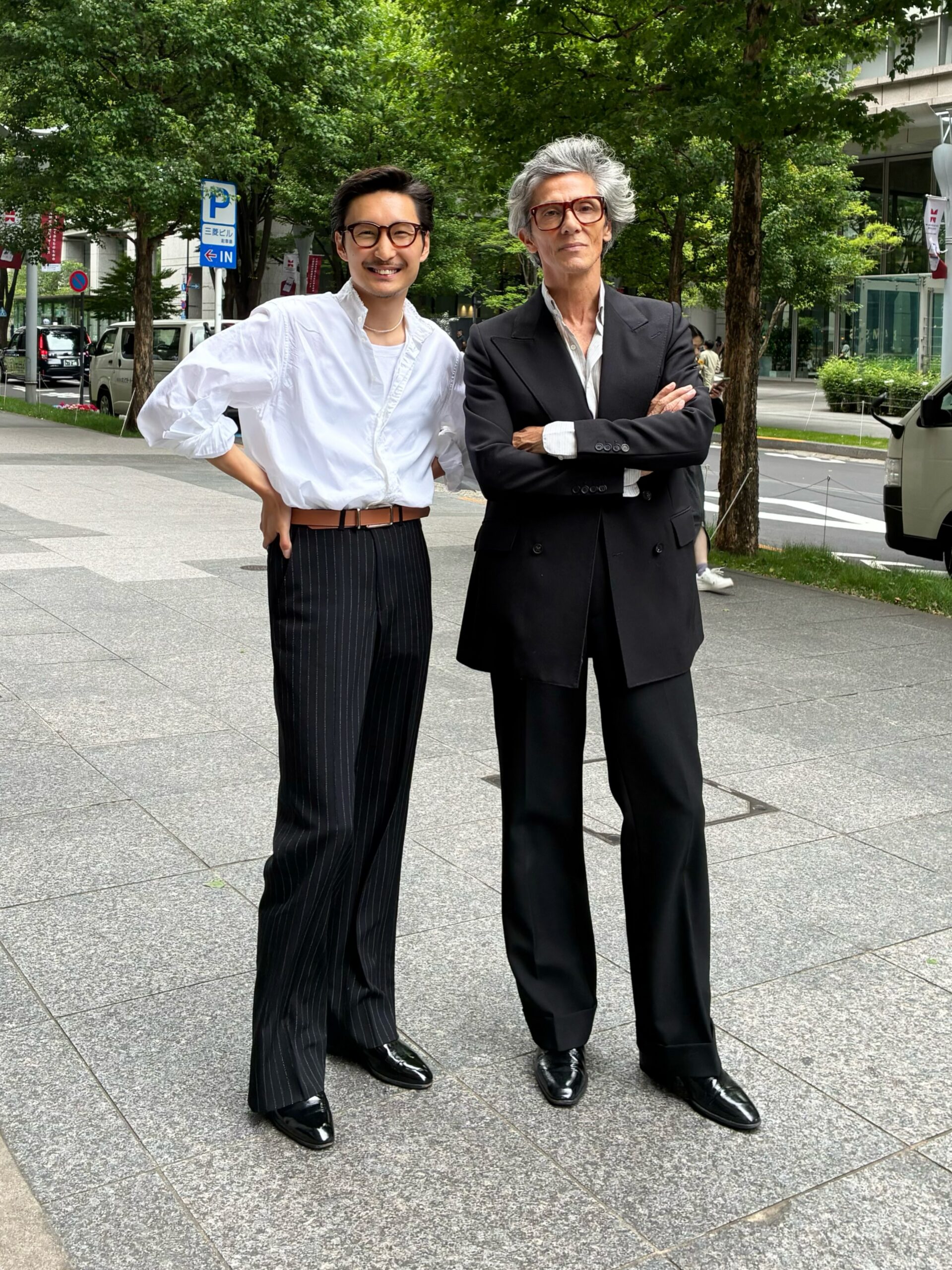
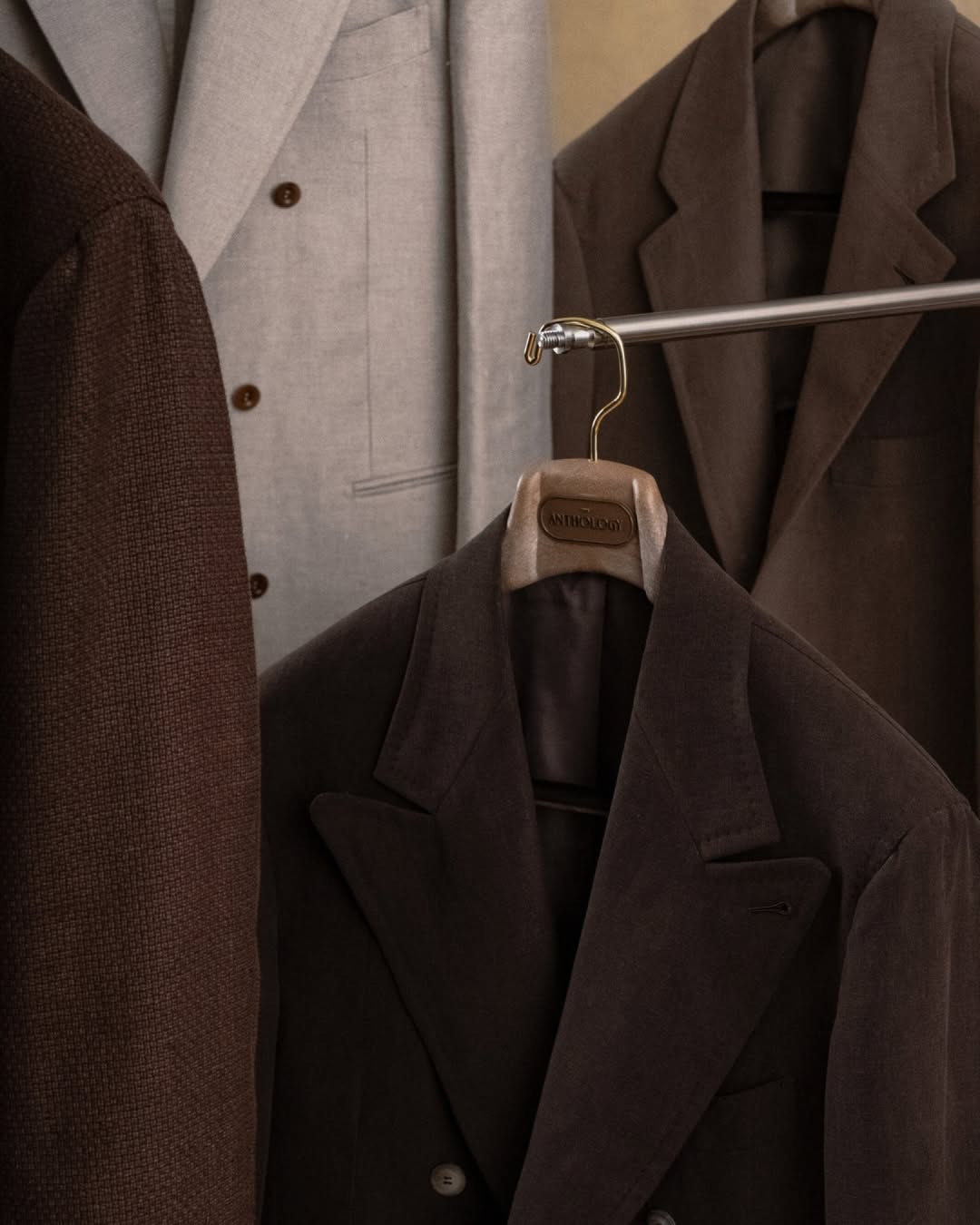
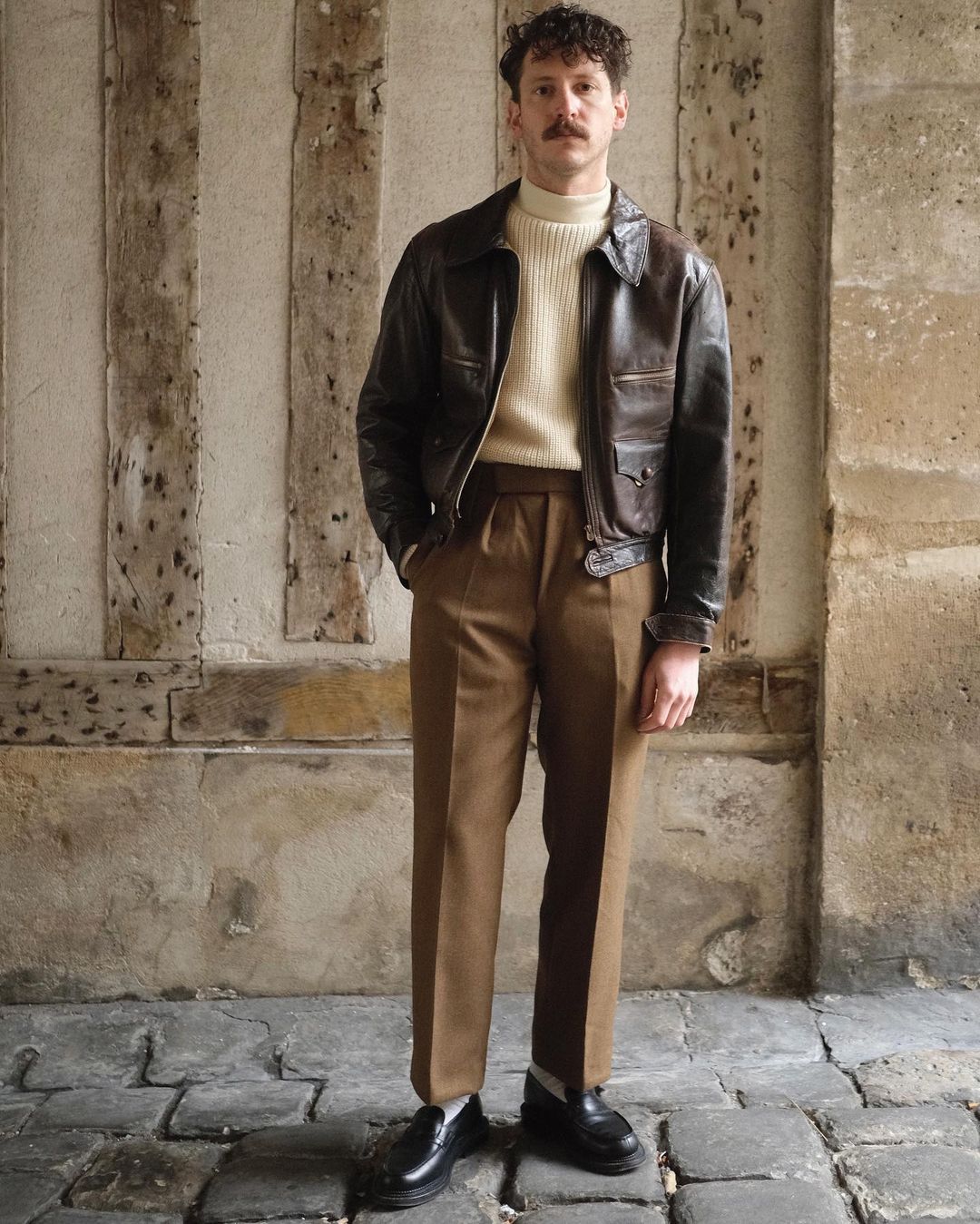
I bought a Thornproof suit from I Sarti Italiani last year partly because, like those wood-paneled rooms in Ralph Lauren’s catalogs, it evokes the romance of country life. At the same time, dark worsted suits are already a rare sight nowadays, and wearing something more eccentric risks crossing the line from traditional dress into period costume. I’ve found that the trick is to break up the conventions of English country dress with elements drawn from other traditions. Instead of a tattersall shirt, try a denim Western shirt; instead of pebble-grain country brogues, try black tassel loafers. And leave the burgundy wool ties decorated with flying pheasants at home. The result can feel reassuringly familiar without looking conspicuously old-fashioned.
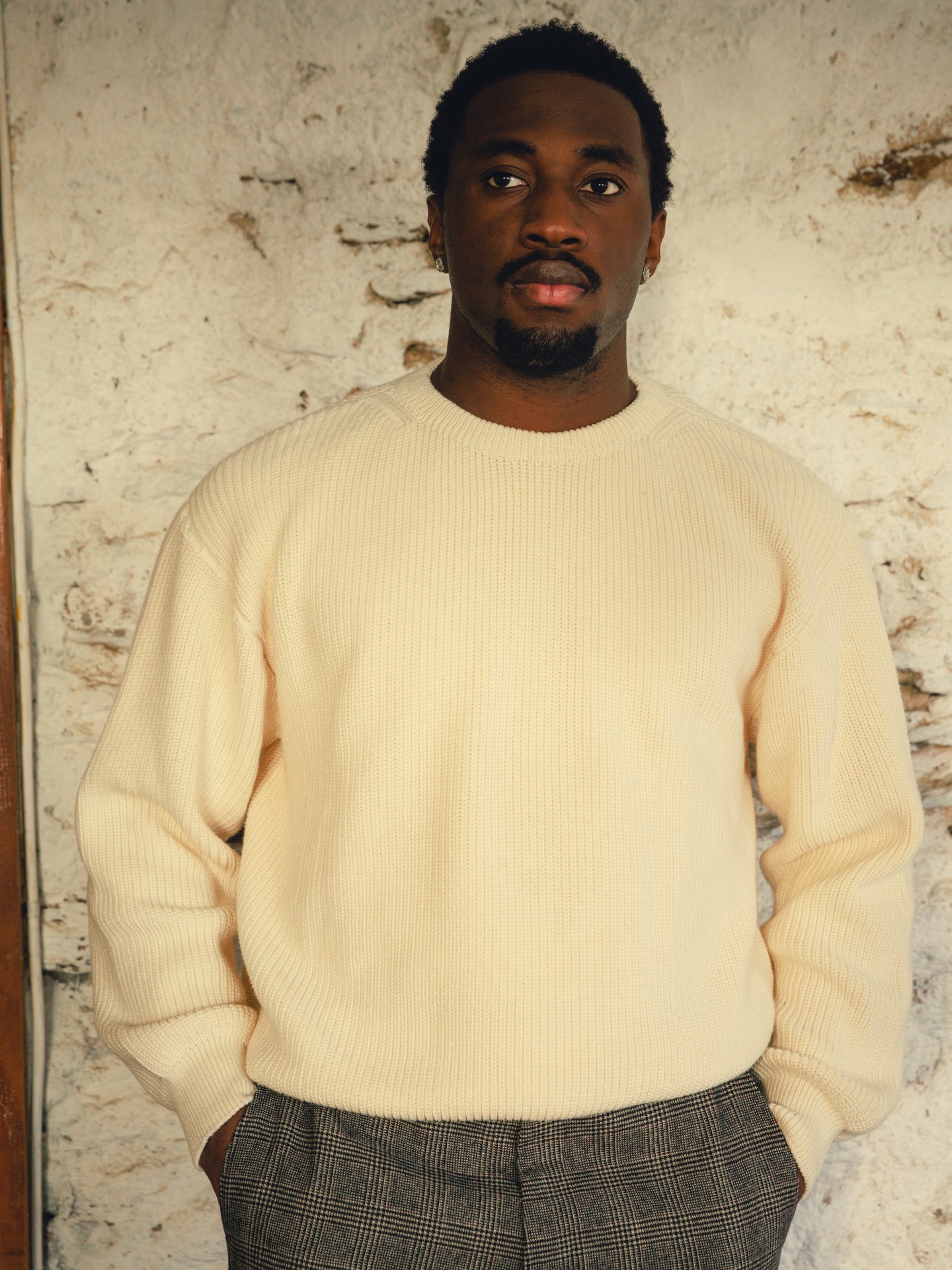
SHAKER KNITS
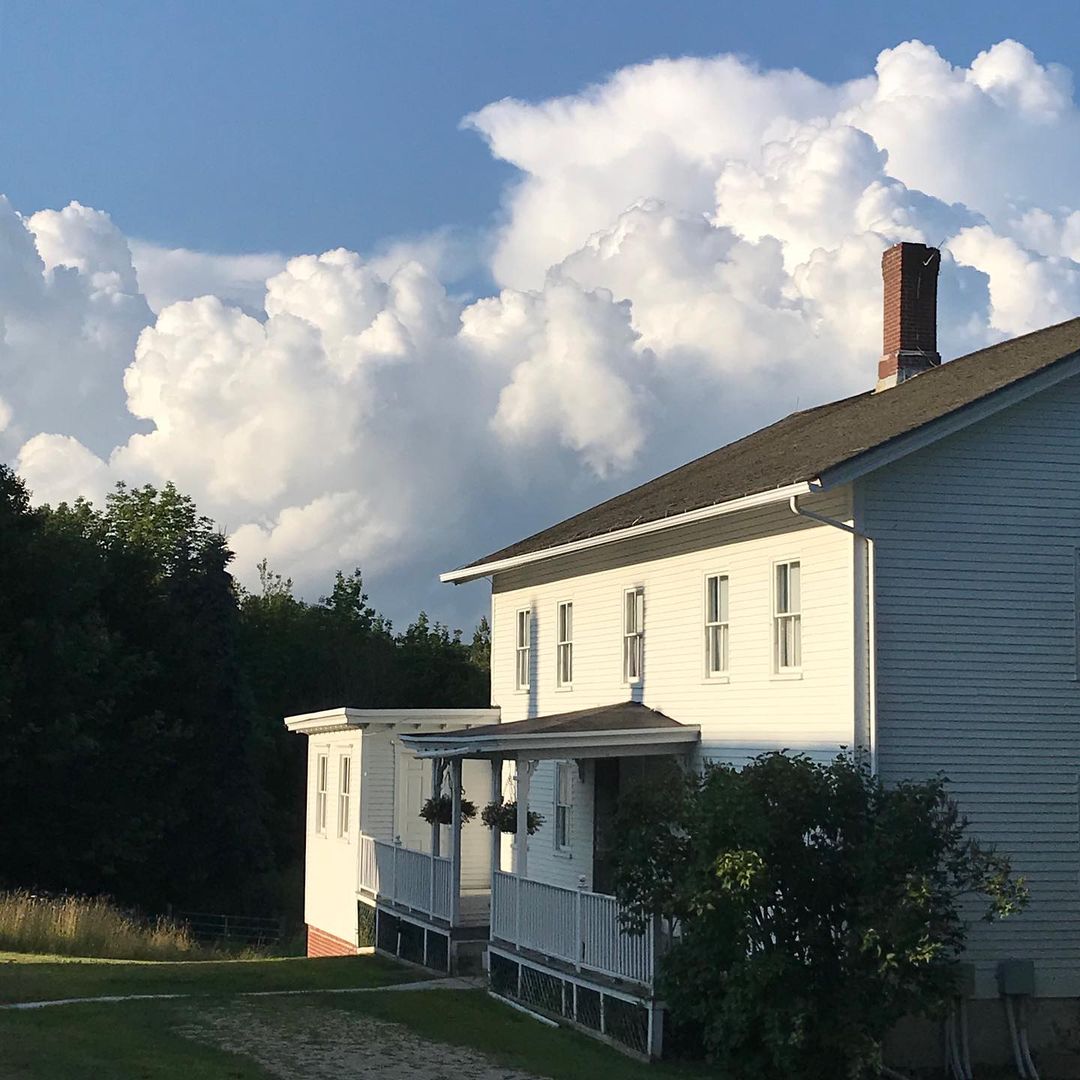
Even in early America, the Shakers were widely regarded as strange, if not fanatical, by their Christian contemporaries. Their name derives from “Shaking Quakers,” originally a term of derision for how this wild and woolly bunch would ecstatically tremble and dance during worship. But it was perhaps their unconventional lifestyle and beliefs that unsettled other Americans most. The Shakers modeled their lives after Christ, which they believed required pacifism, communalism, celibacy, and, most of all, a commitment to equality. At a time when slavery remained legal, the Shakers welcomed Black Americans into their communities as equals, sometimes purchasing enslaved people’s freedom, while also entrusting women with religious leadership. Their communities were also organized around shared property and labor. Members surrendered their private property upon joining, then worked together and shared in the fruits of their collective labor.
At its peak in the mid-19th century, an estimated 6,000 Believers lived in about two dozen monastic communities. Today, only one community remains active: the Sabbathday Lake Shaker Village in Maine, which has just two members (the third, Sister June Carpenter, sadly passed away earlier this month at age 88). Despite their small numbers over the years, the Shakers have had an outsized impact on American aesthetics, perhaps because they believed that daily labor and craftsmanship were acts of spiritual devotion (“Hands to work, and hearts to God” guided their everyday practices). The Shakers became known for making simple ladder-back chairs, trestle tables, and flat brooms, objects that have since become fixtures in our idealized vision of the cozy American home.
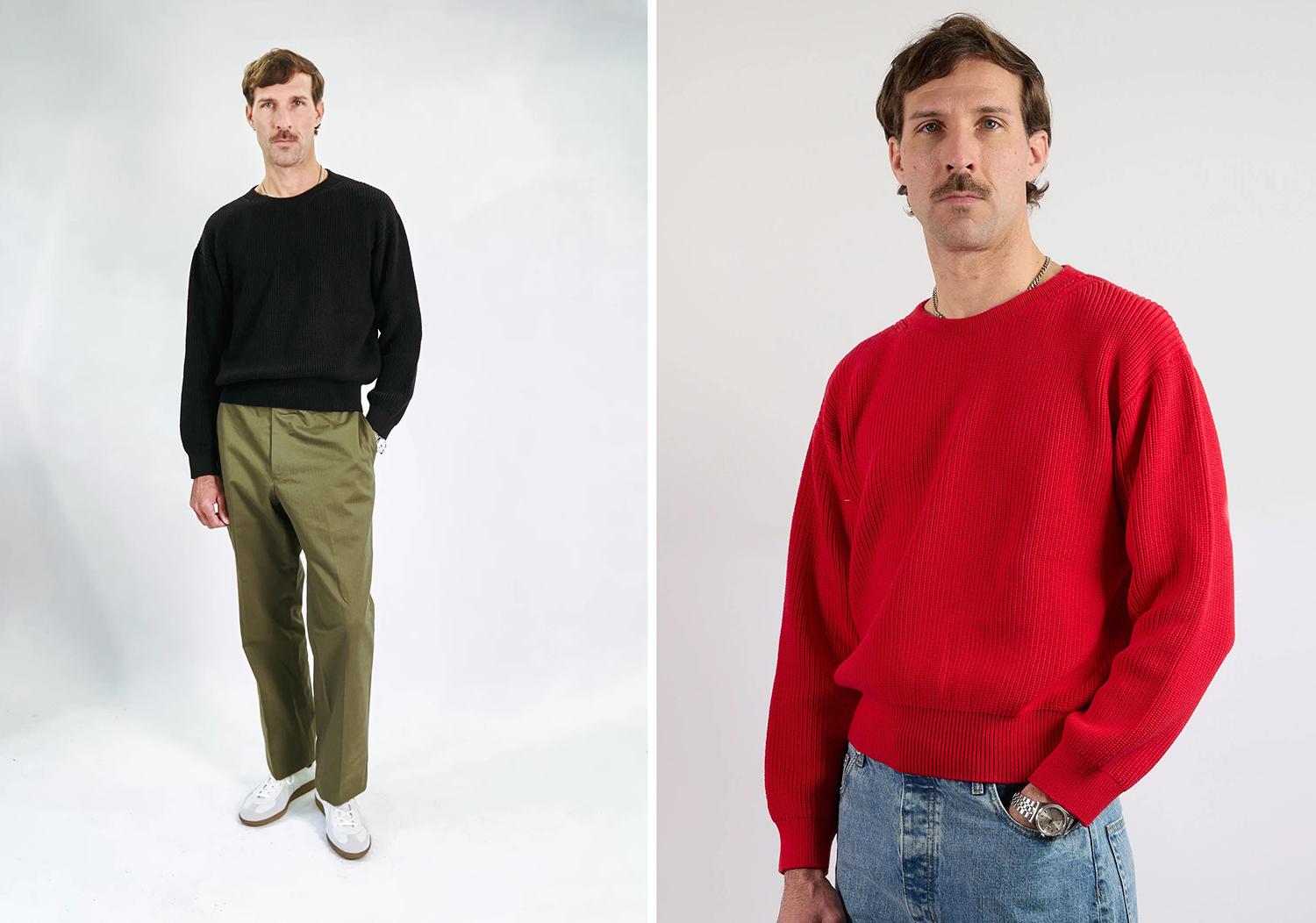
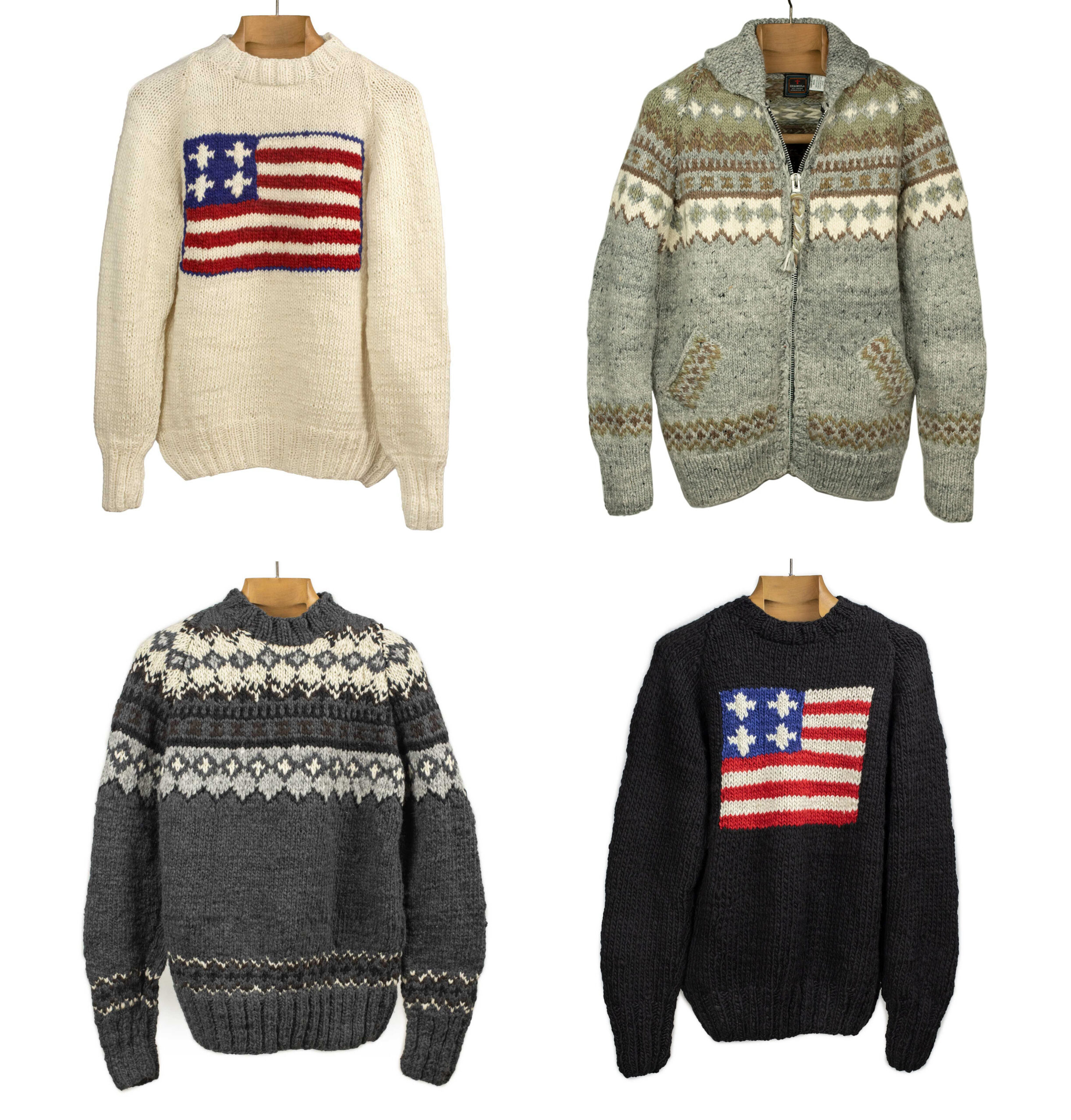
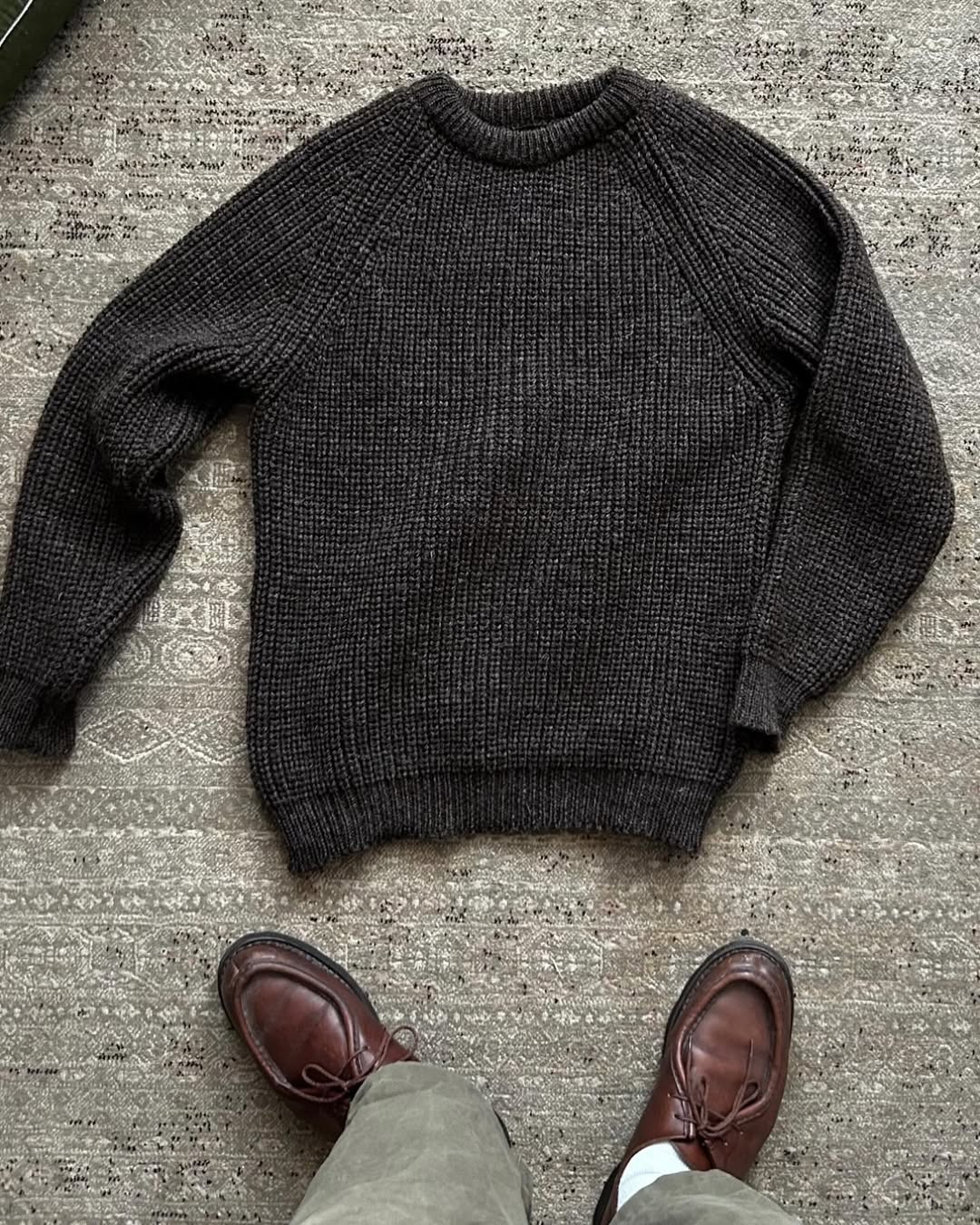
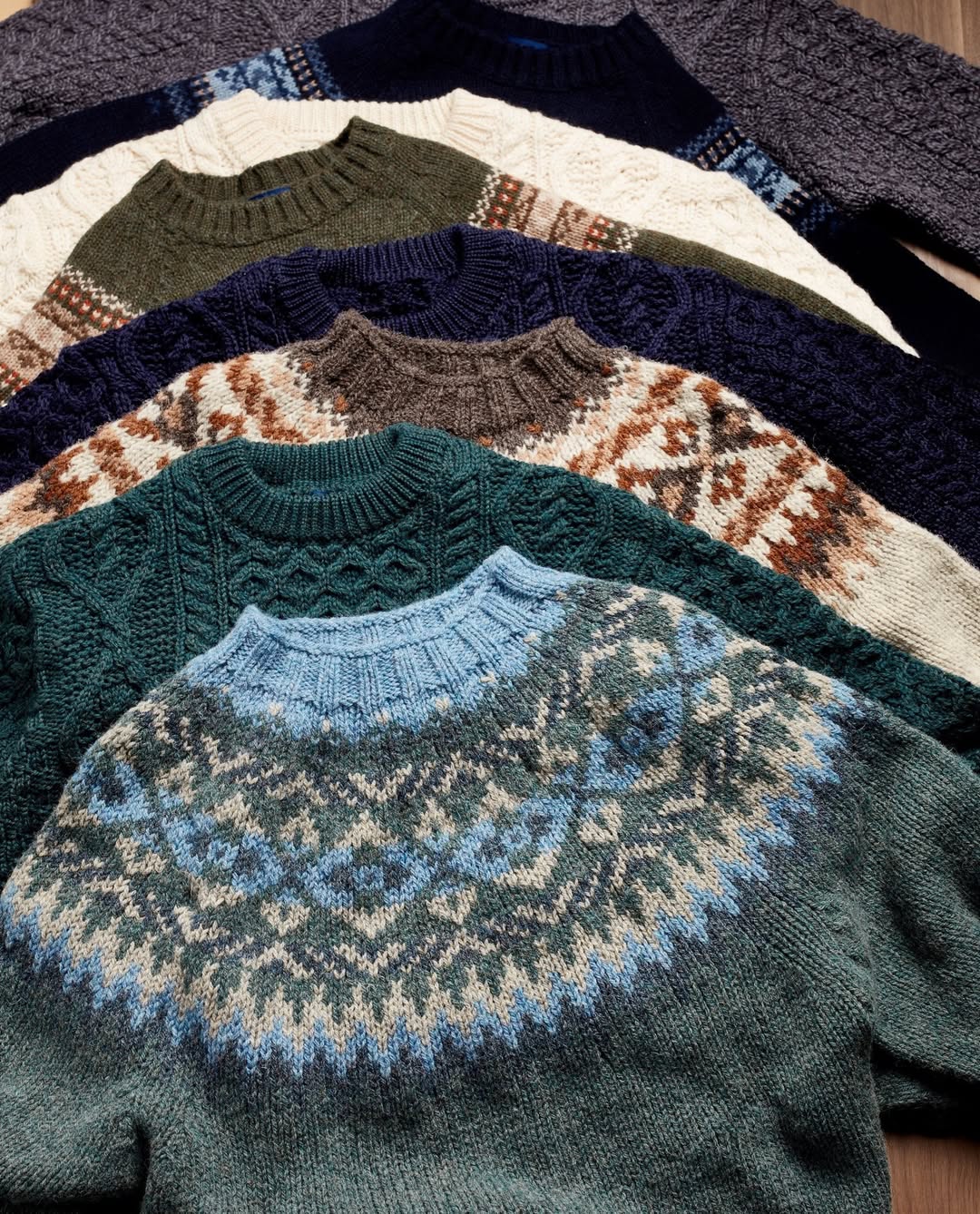
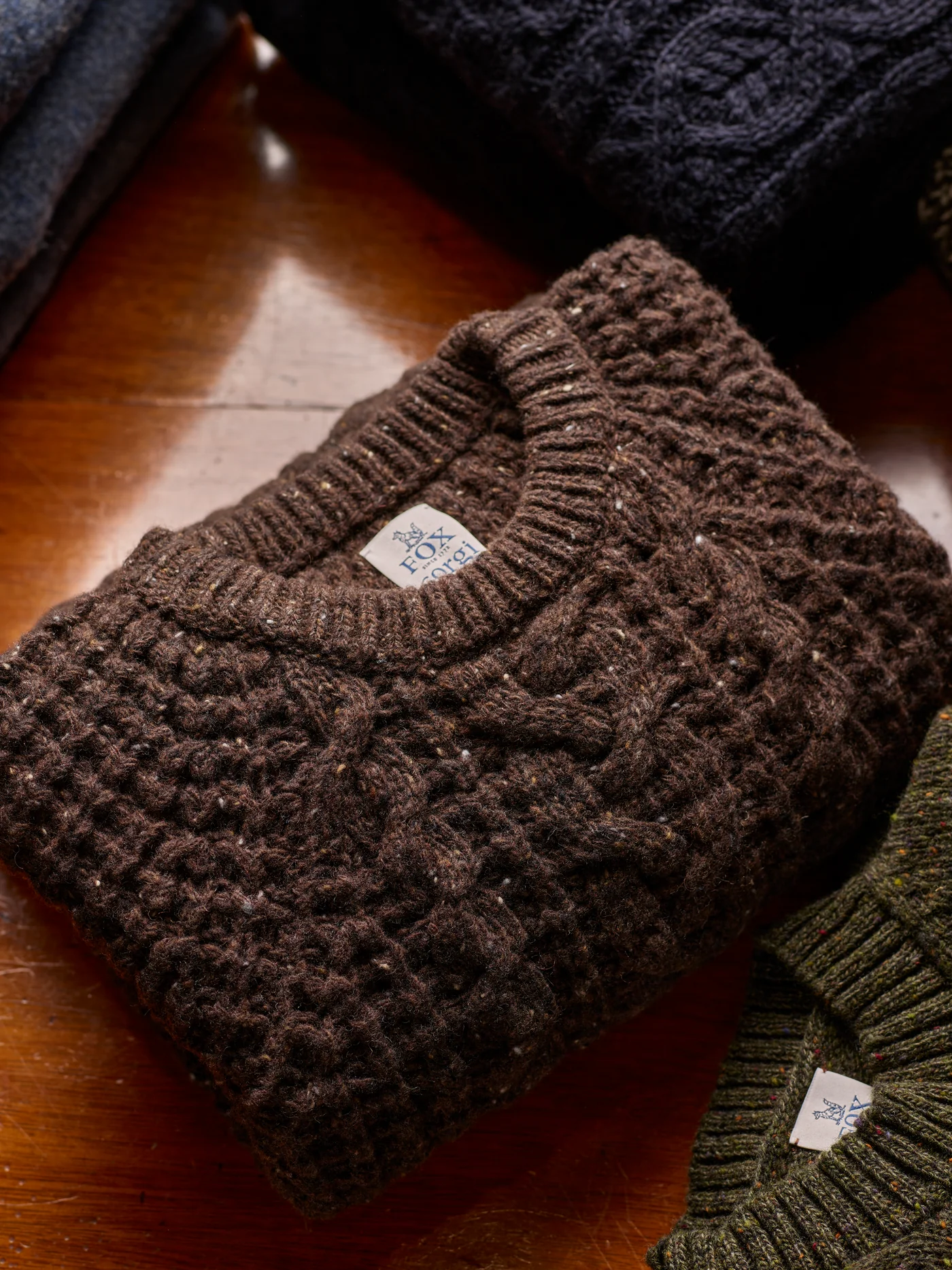
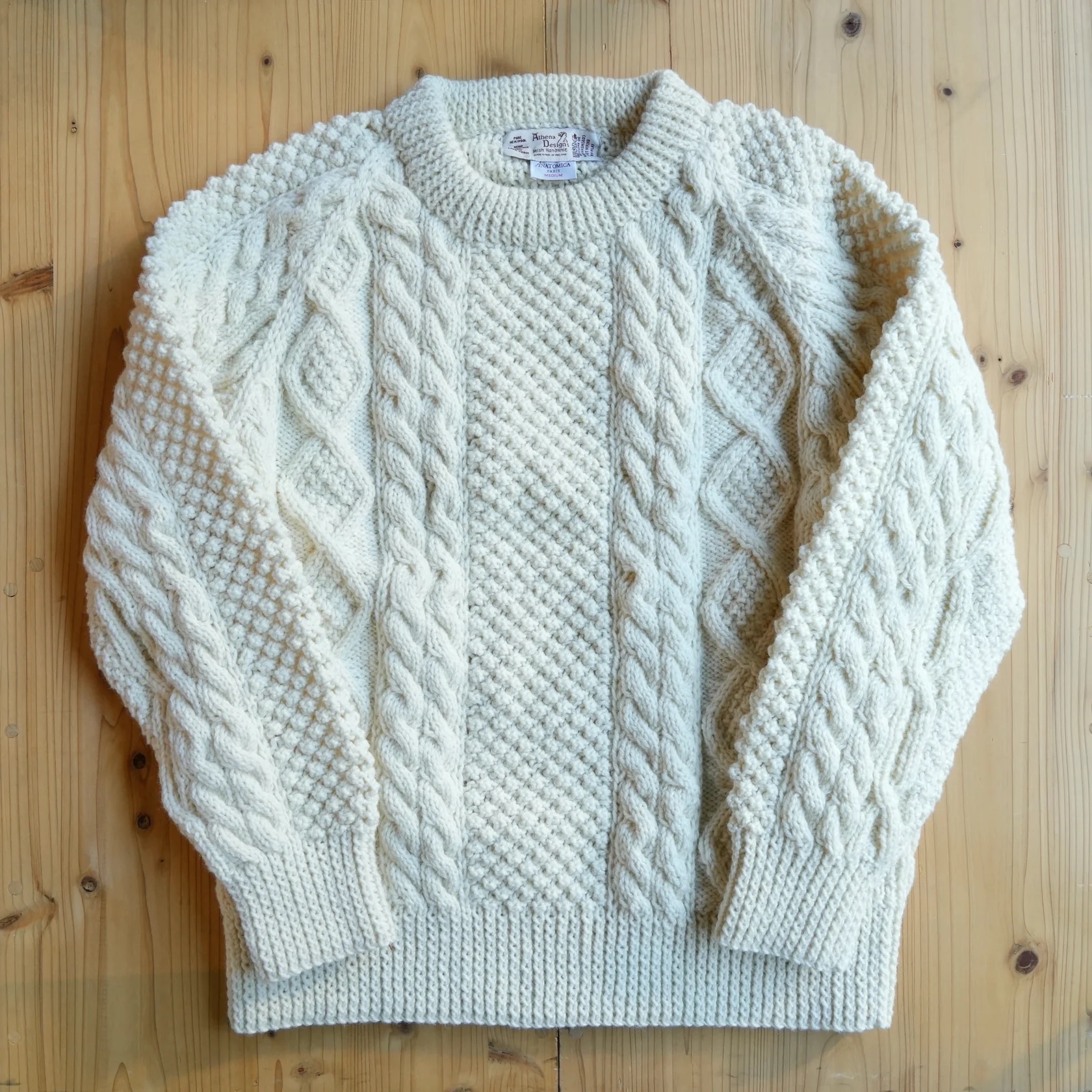
They also left an imprint on menswear. Shaker women were prolific knitters, creating large numbers of mittens, washcloths, stockings, socks, and shawls. Among their most enduring contributions was the Shaker sweater, a thick, ribbed knit that became popular for its warmth, durability, and distinctive texture. Some of these sweaters were made for community members. Others were sold to non-Believers, who visited Shaker communities during worship services and then bought Shaker crafts and knitwear afterward. By the late 19th century, the Shakers were doing brisk business supplying machine-made knitwear to Ivy League campuses, helping establish a style that endured long after their knitting enterprises disappeared.
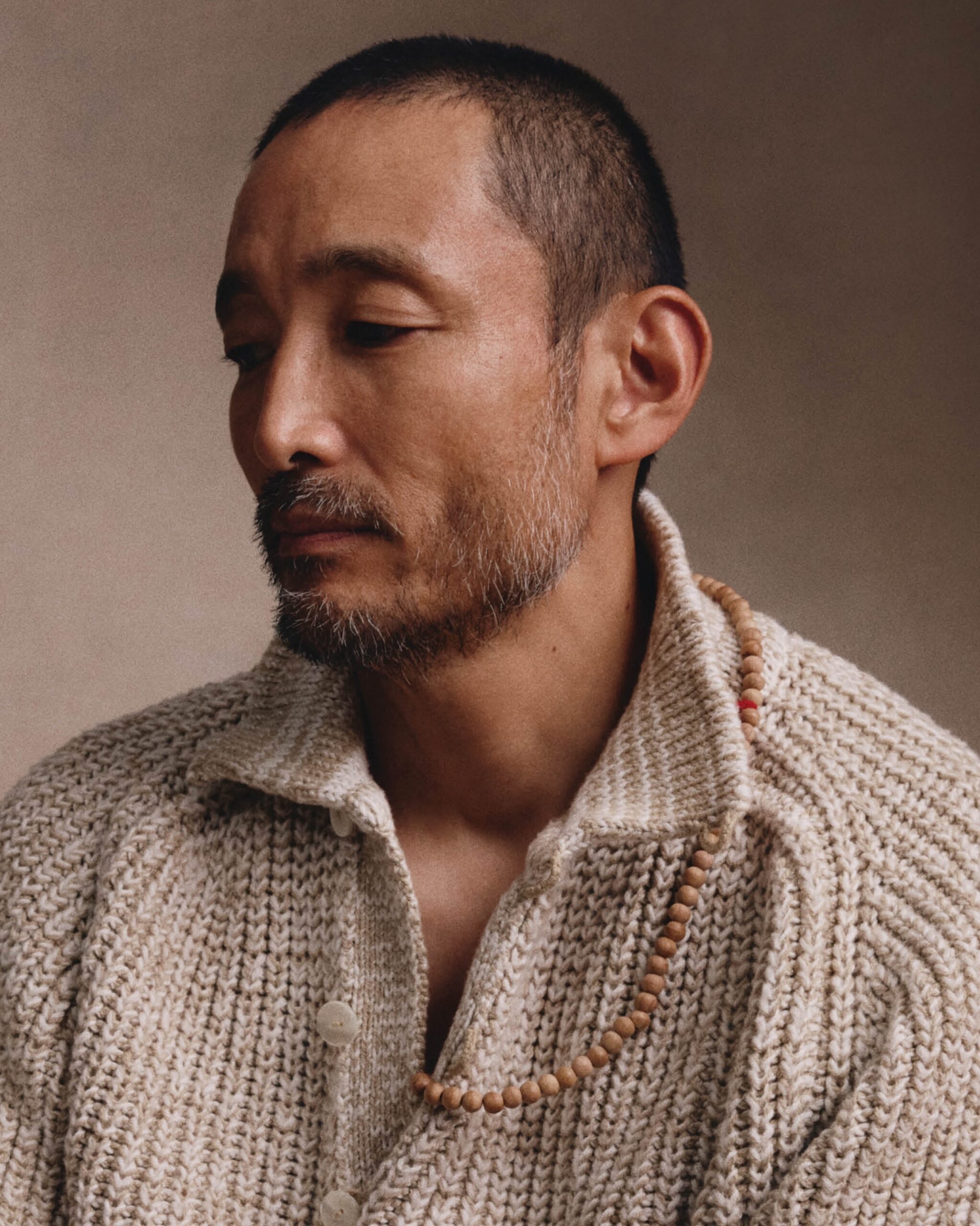
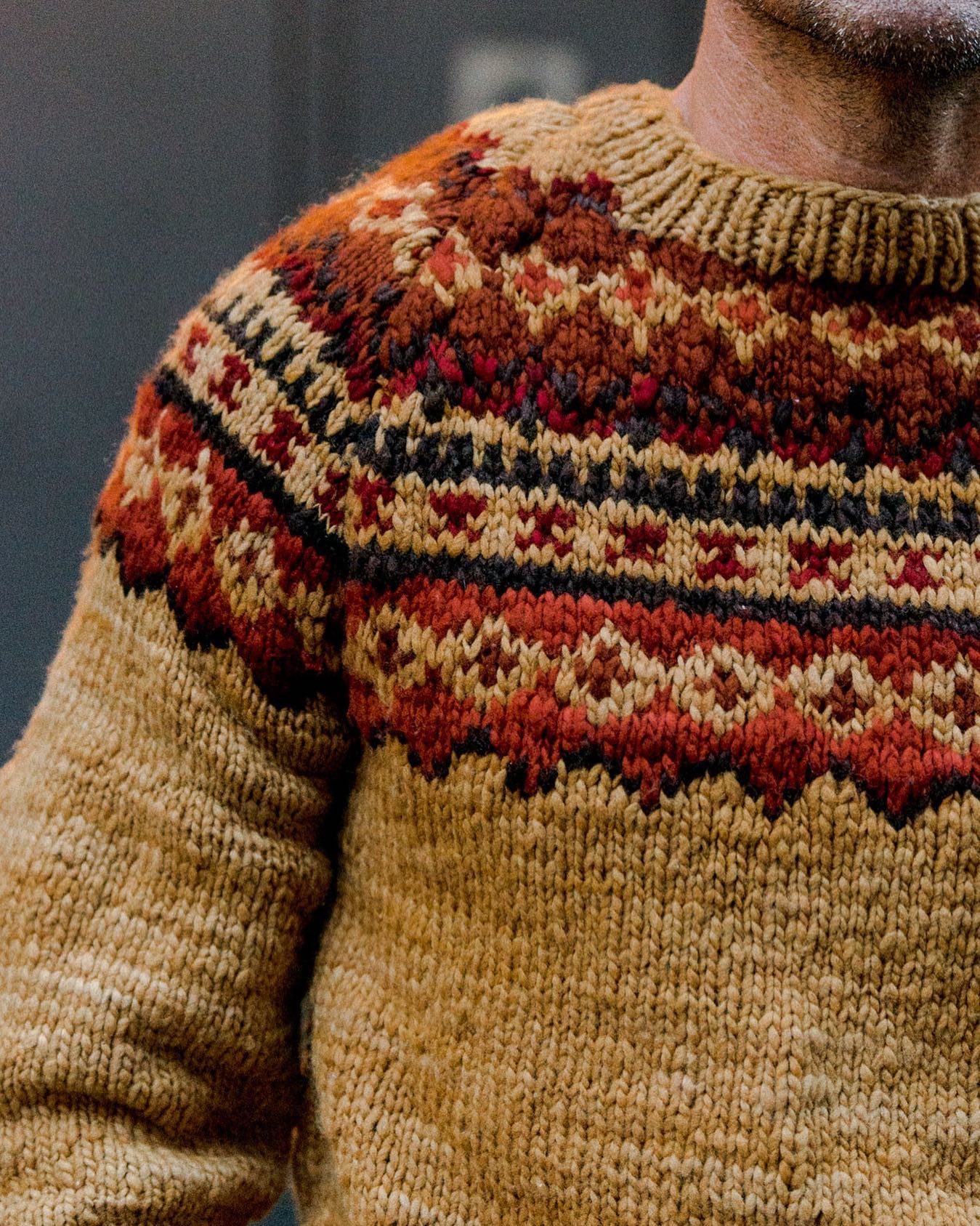
I bought a Shaker sweater this season from American Trench. Made in New York City from organic cotton, it’s knitted on a whole-garment machine, which creates a seamless, tubular body rather than one assembled from separate panels. Without the conventional seams that join the body, the sweater drapes more fluidly. What I particularly like, however, is the silhouette. Whereas most Shaker knits today are relatively slim and straight, this one has a fuller body, a cropped length that pairs nicely with high-waisted trousers, and dropped shoulder seams that visually broaden the shoulder line. The extra room softens the contours of the midsection, while the tightly knit ribbed hem gathers the fabric at the waist, preventing it from looking shapeless. Plus, the cropped cut accounts for how such cotton knits stretch over time.
I’ve long believed textured knits can be more useful than their smoother Merino counterparts, adding visual interest to plain outfits without clashing with patterned ones. I’m excited to wear this one from American Trench, partly because it reminds me of the Shaker ideals I admire: that a simple life can find meaning in purposeful work, and that spiritual equality should be reflected in how we organize our communities and treat one another. Six years ago, Brother Arnold gave a talk in Portland about what he struggled most with the Shaker lifestyle when he first joined. He recalled once becoming so frustrated with another member that he considered leaving, until an elder reminded him of a simple but profound distinction: you don’t have to like someone to love them. I find that ideal inspiring, even if I struggle with practicing it.
Options: American Trench and Whaler Knits. You can find similar options from William Lockie, Wythe, Buck Mason, Quaker Marine, Frizmworks, and Folk.
HUNTING COATS
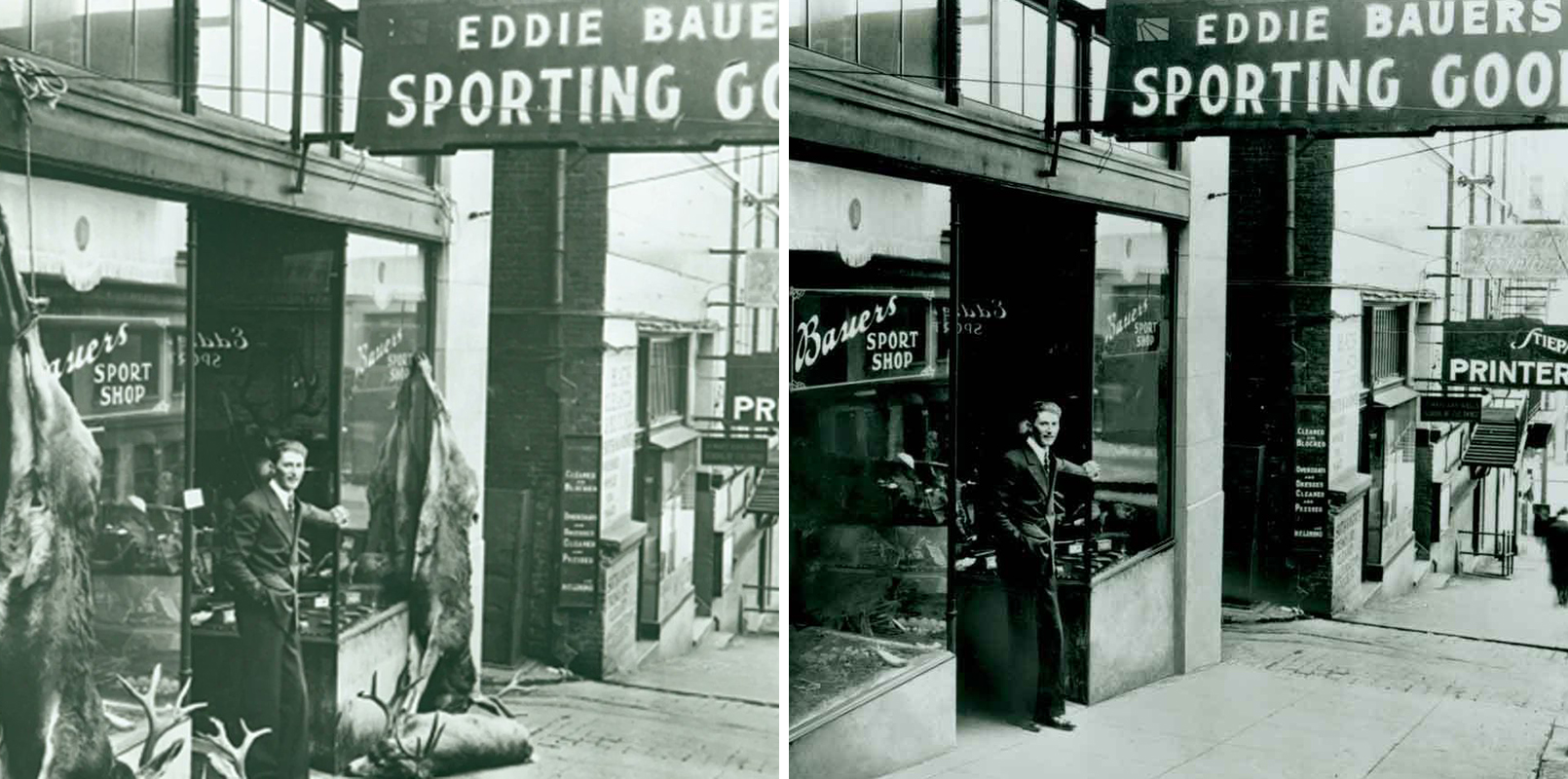
In her book Shopping All the Way to the Woods, historian Rachel Gross recounts a Stalinist trick that Eddie Bauer’s executives pulled in the 1980s. Knowing the clothing trade is as much about selling meaning as material goods, they carefully cultivated the idea that buying a down parka or waffle-knit henley let consumers claim certain American ideals. To establish the company’s credentials, they dug up an early 20th-century photo of their founder standing outside of his original Seattle store. But they also quietly altered the image to remove the deer carcasses neatly arranged outside the storefront — originally displayed to demonstrate Mr. Bauer’s hunting prowess — recognizing that modern customers might be turned off by the bloodier side of the brand’s history. In this way, Eddie Bauer could sell a sanitized version of outdoor life. Gone was the grisly reality of hunting and guns; preserved were the ideals of ruggedness, freedom, and self-reliance that Americans removed from rural life associated with the great outdoors.
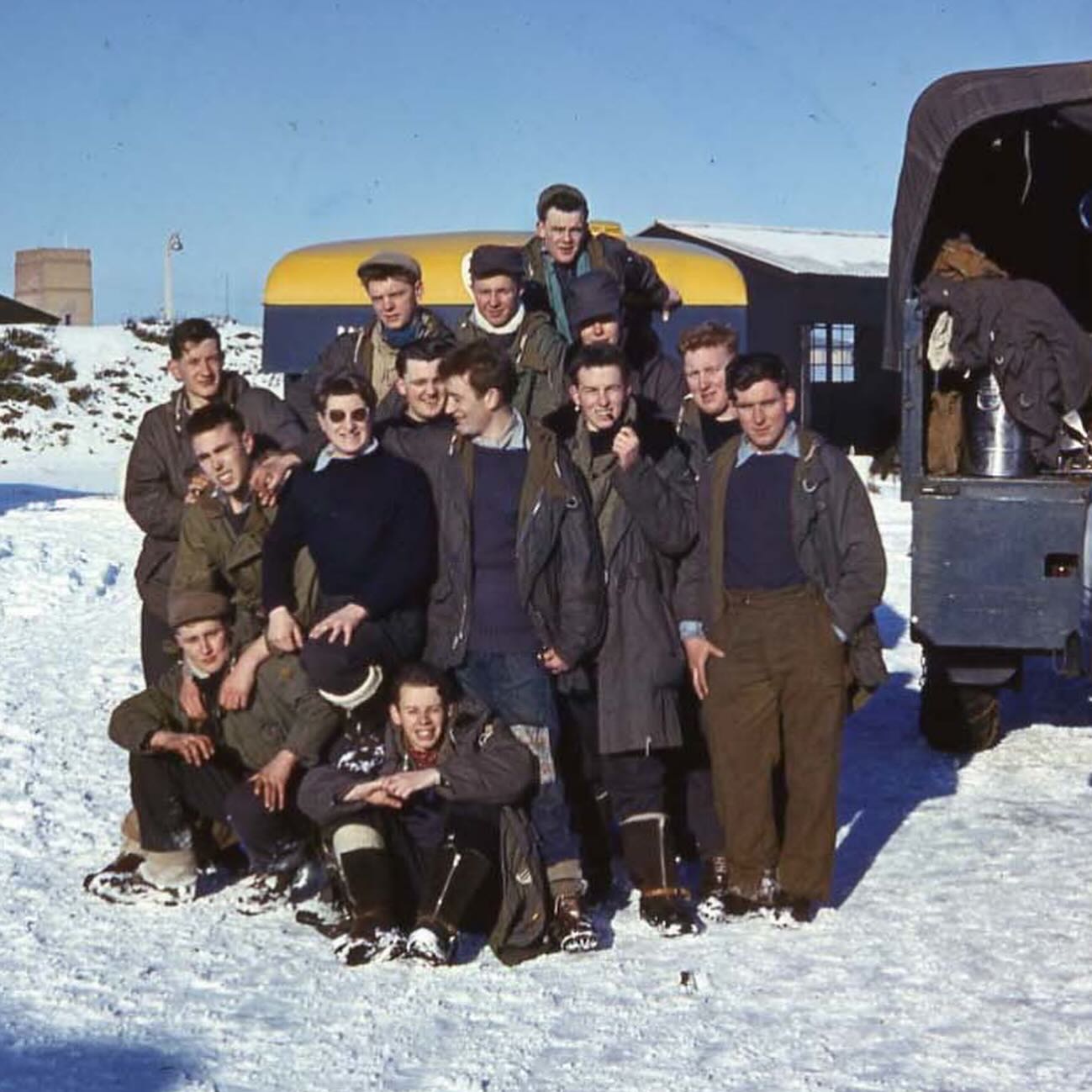
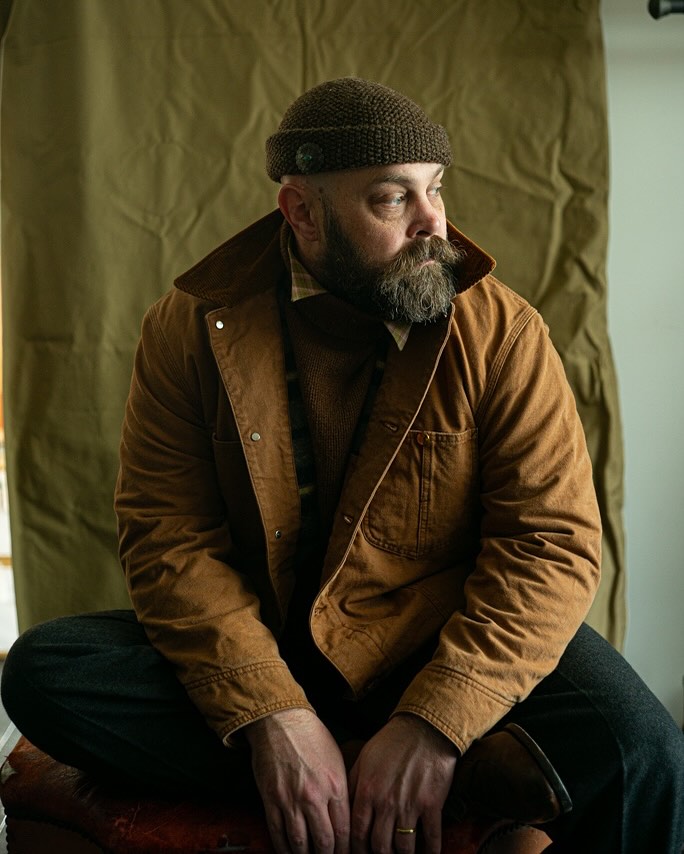
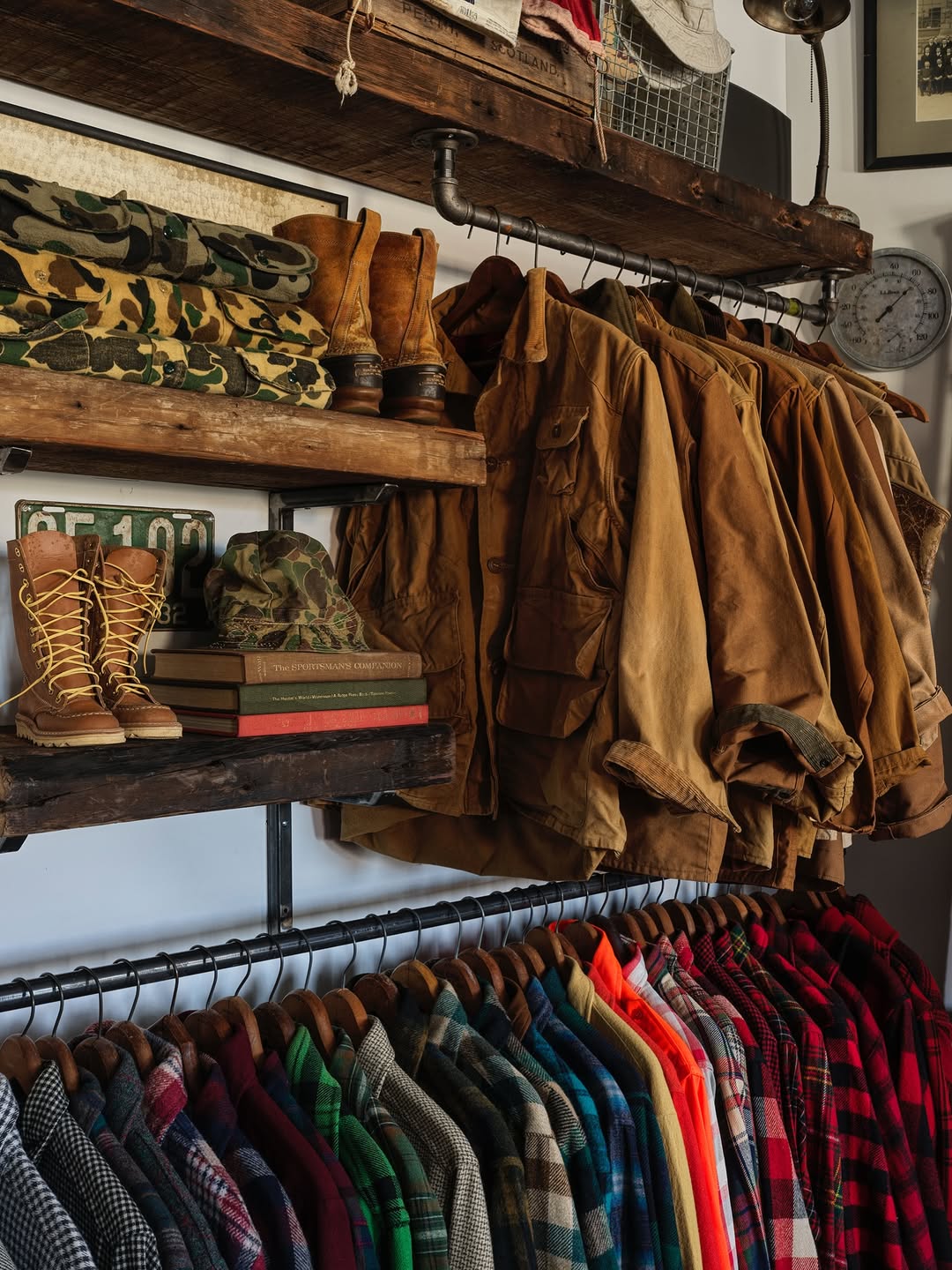
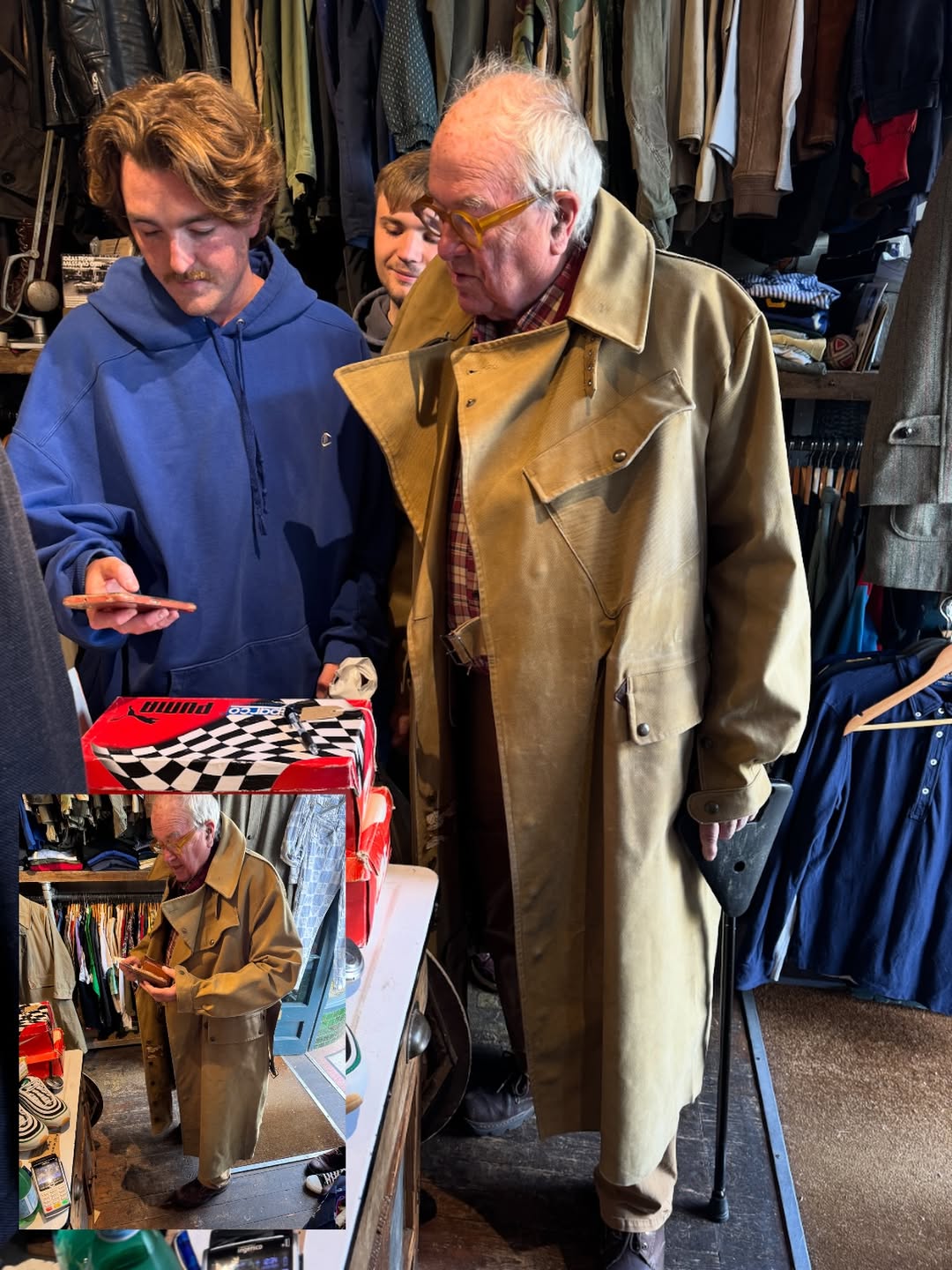
A similar rebranding appears in the American hunting coat. In 1924, LL Bean debuted its Maine Duck Hunting Coat, designed to be worn with its Maine Hunting Shoes. Made from tightly woven, water-repellent duck canvas, the roomy coat was tough enough to withstand briars and underbrush. It featured ventilated underarms, a corduroy-lined collar and cuffs, and a deep, rubber-lined game pocket advertised as “blood proof.” In the 1940s, the design was rejiggered with a bi-swing back and larger front pockets for carrying hunting gear, becoming the “Sportsman Coat” and, later, the “Field Coat,” to make it more appealing to the general public. Today, you can find it at LL Bean’s website under the more domesticated name “barn coat,” evoking a more peaceful pastoral scene than the garment’s gory history. Naturally, you can pair it with the company’s equally domesticated “duck boots,” whose original name survives only in the lettering on the back of the heel.

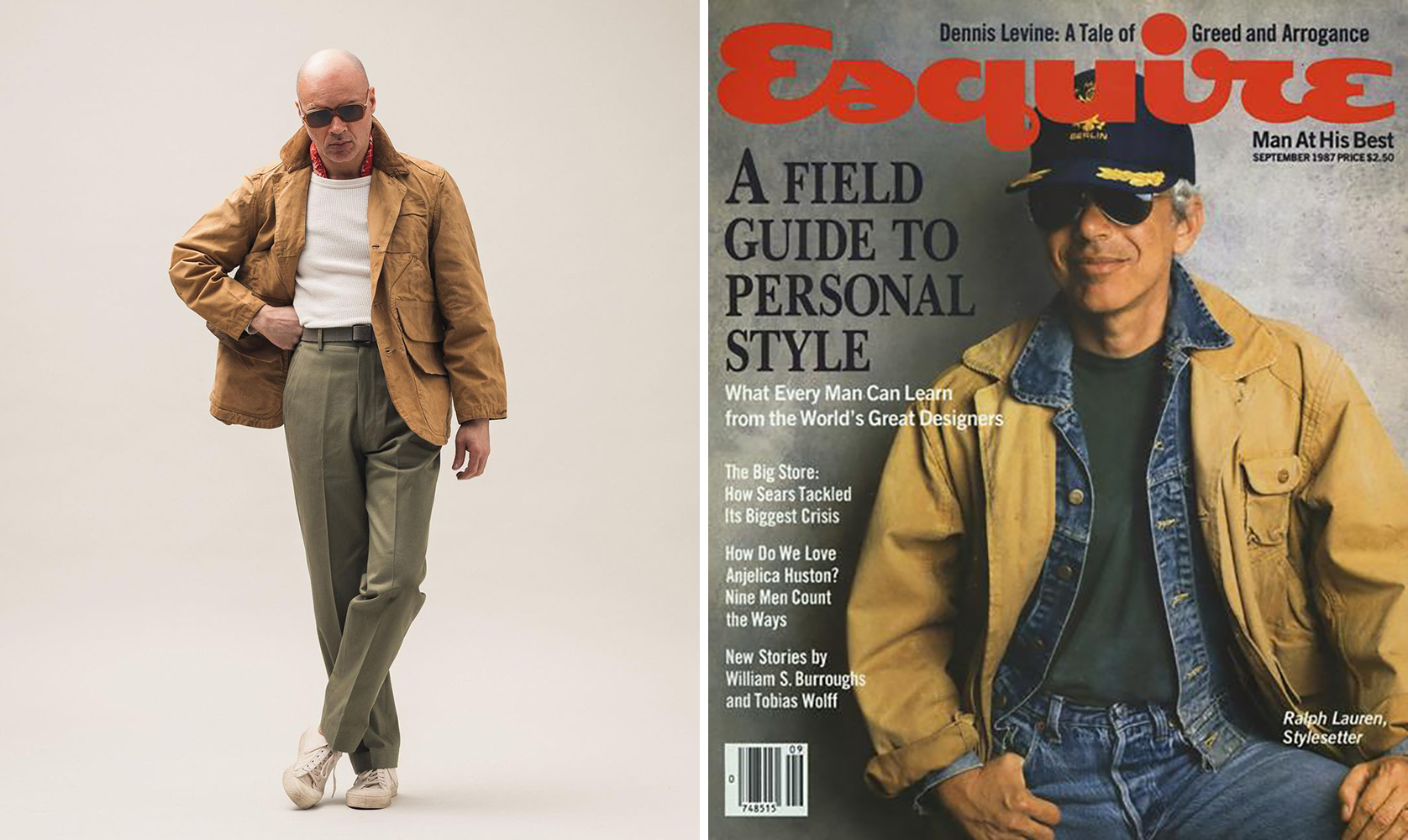
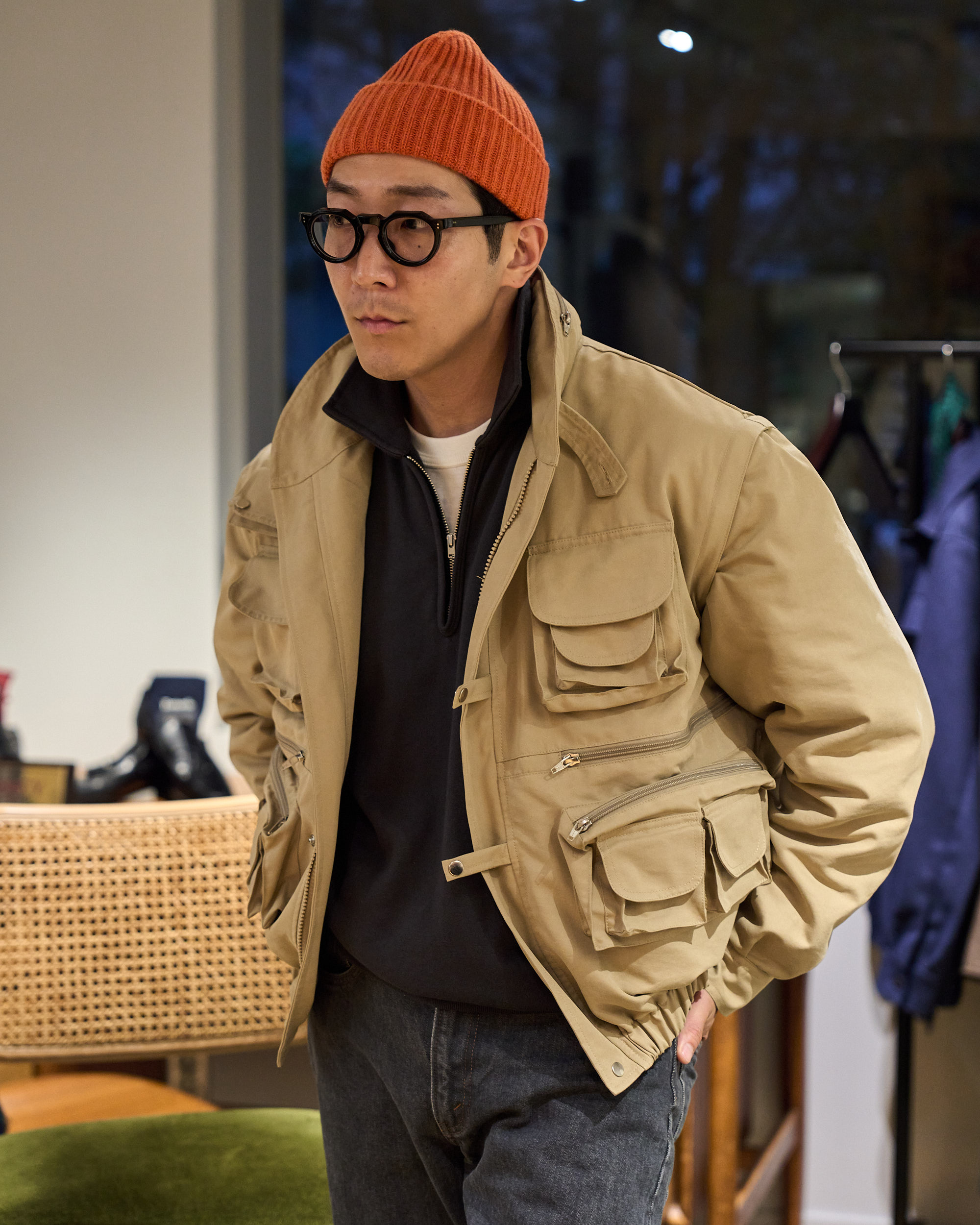
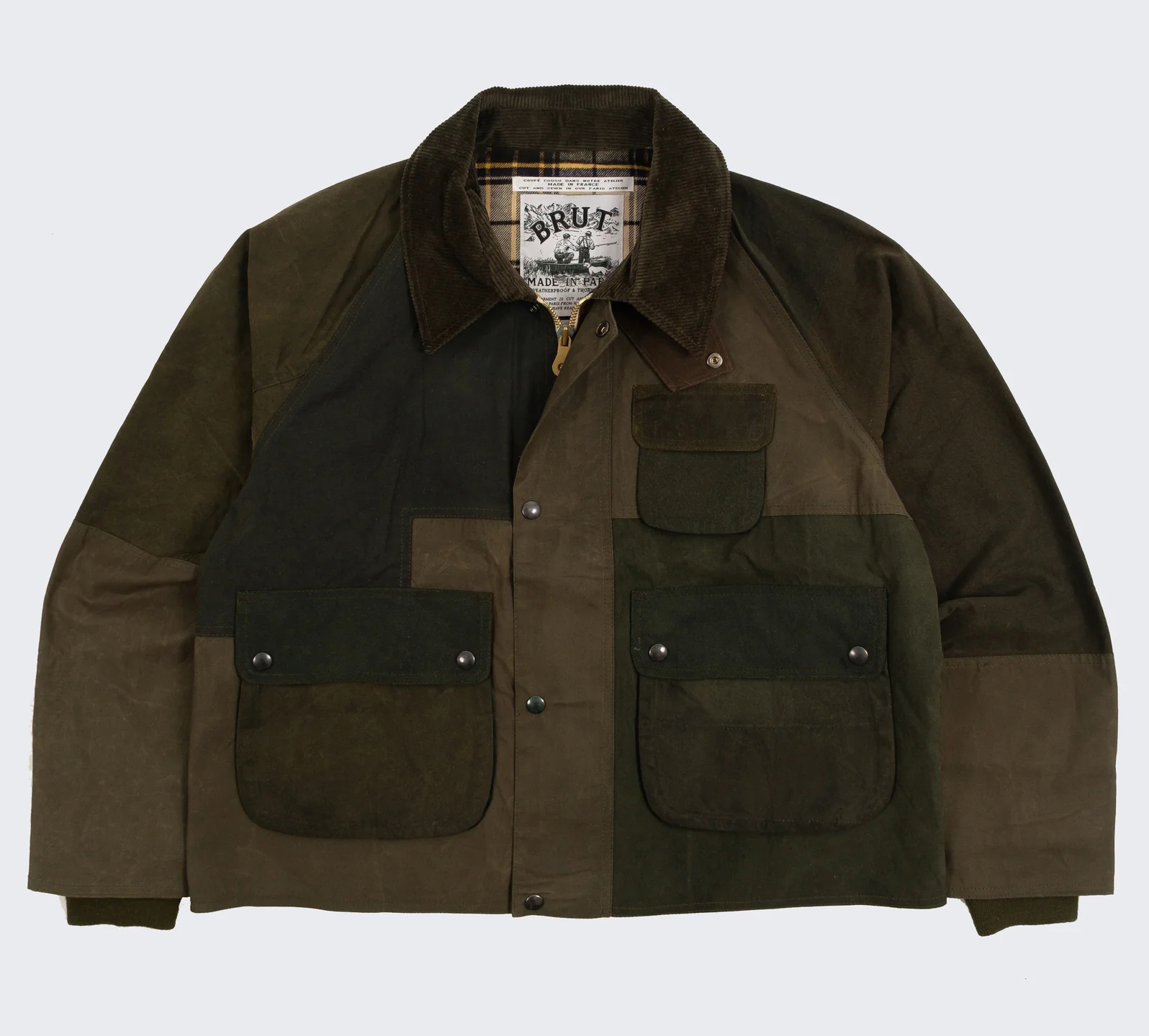
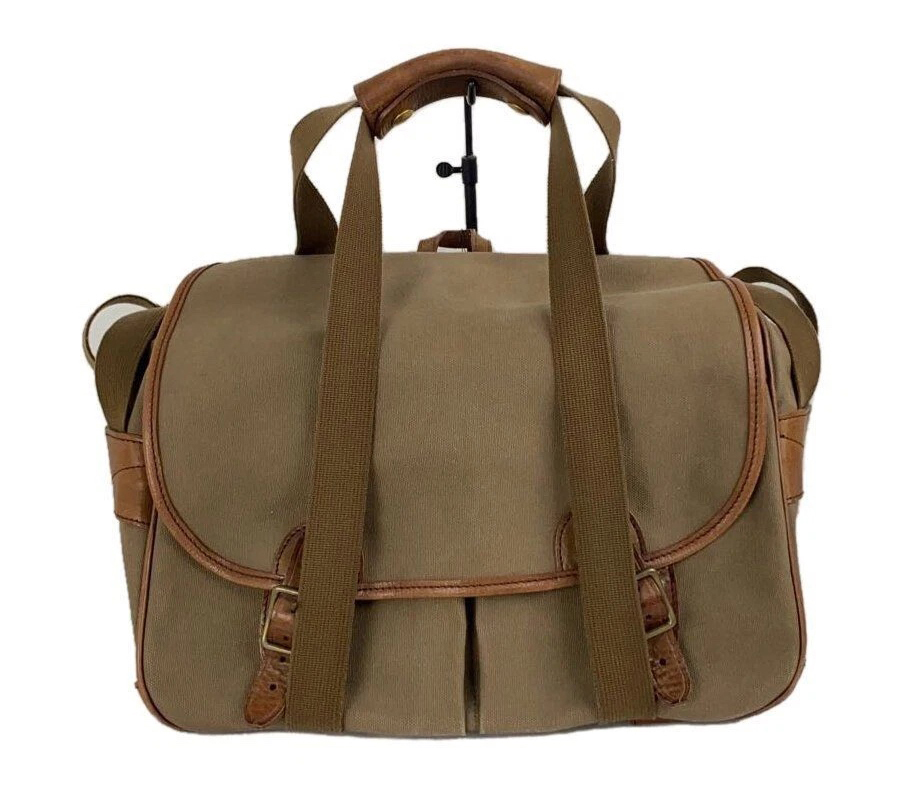
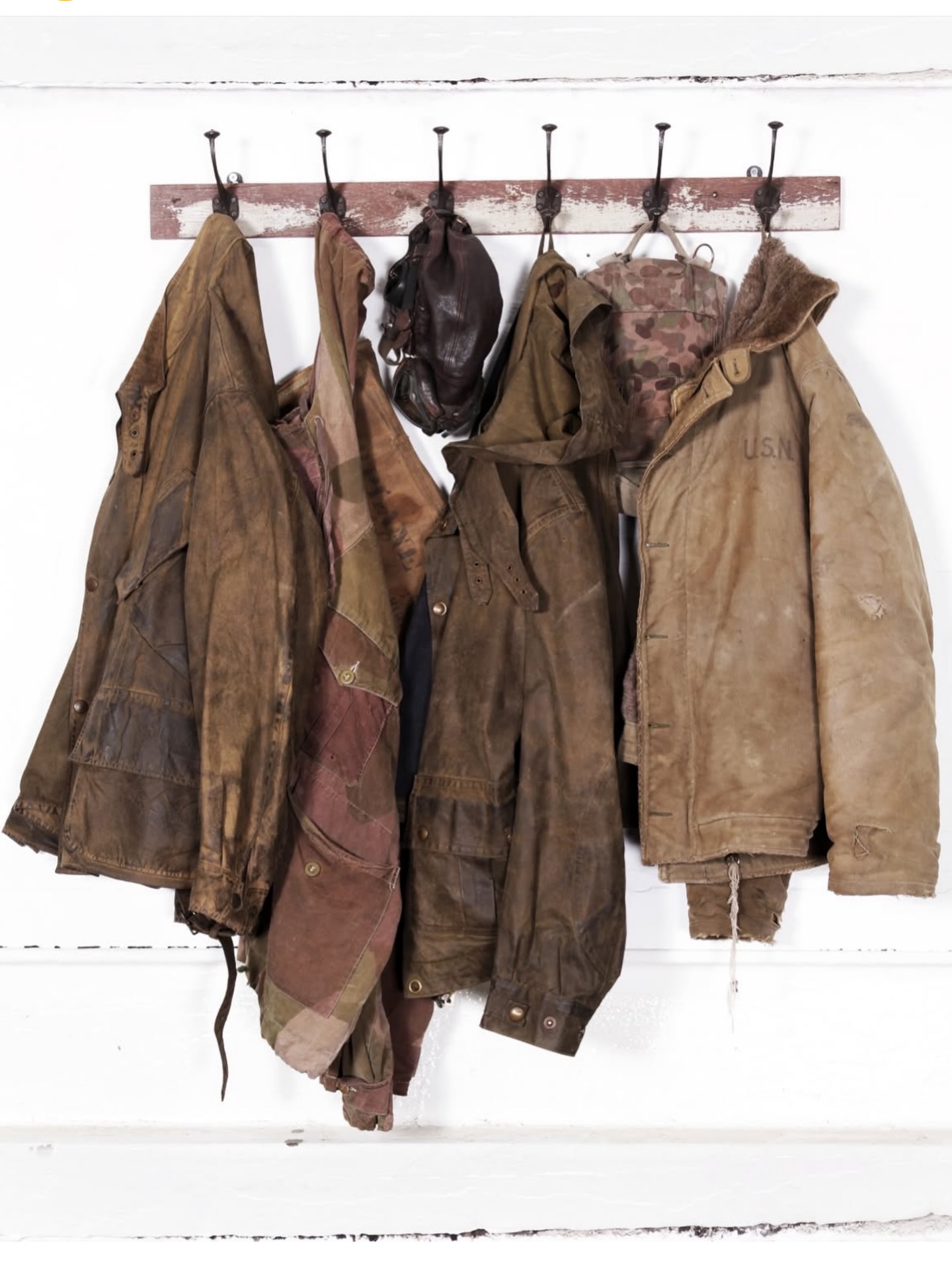
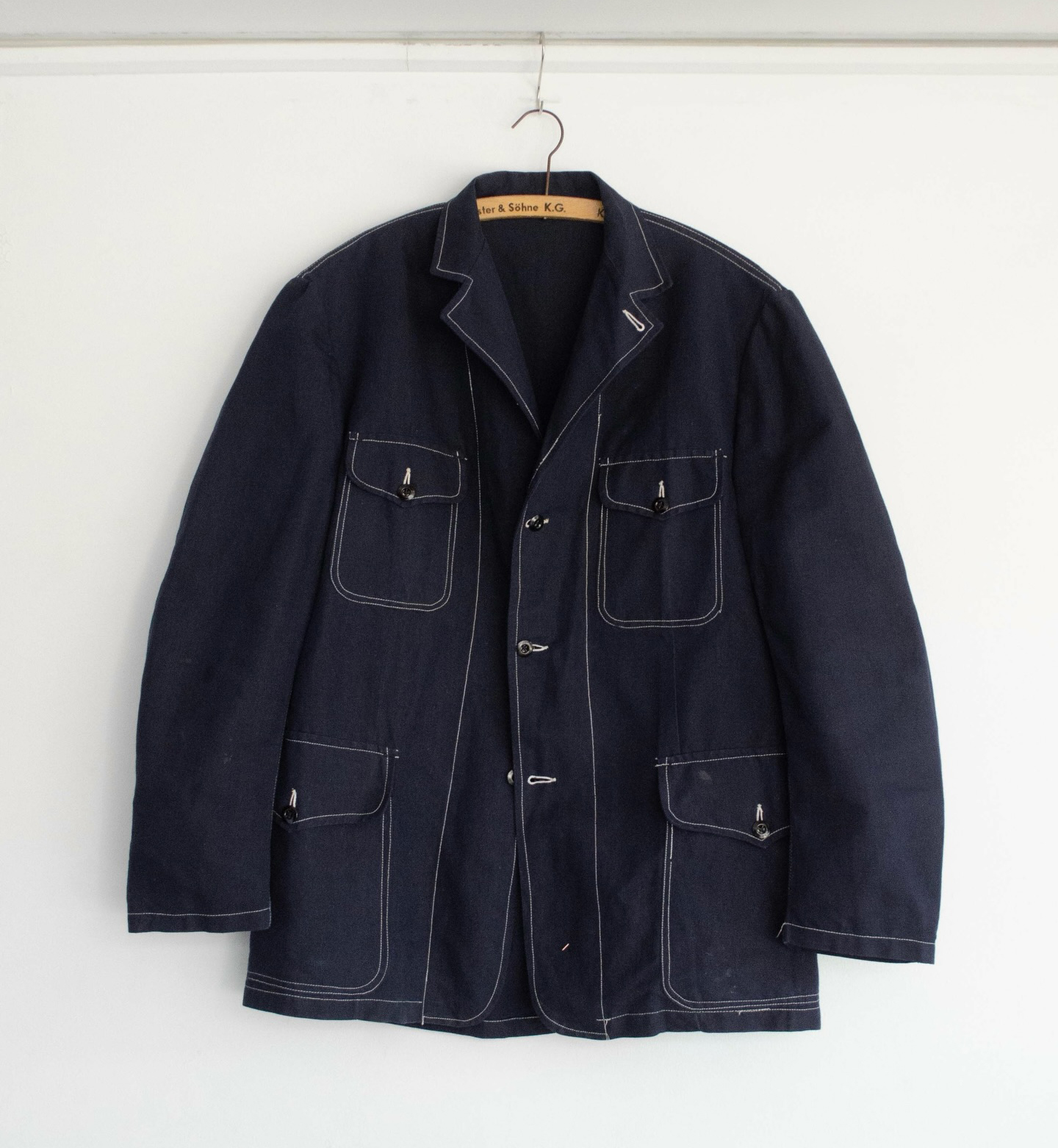
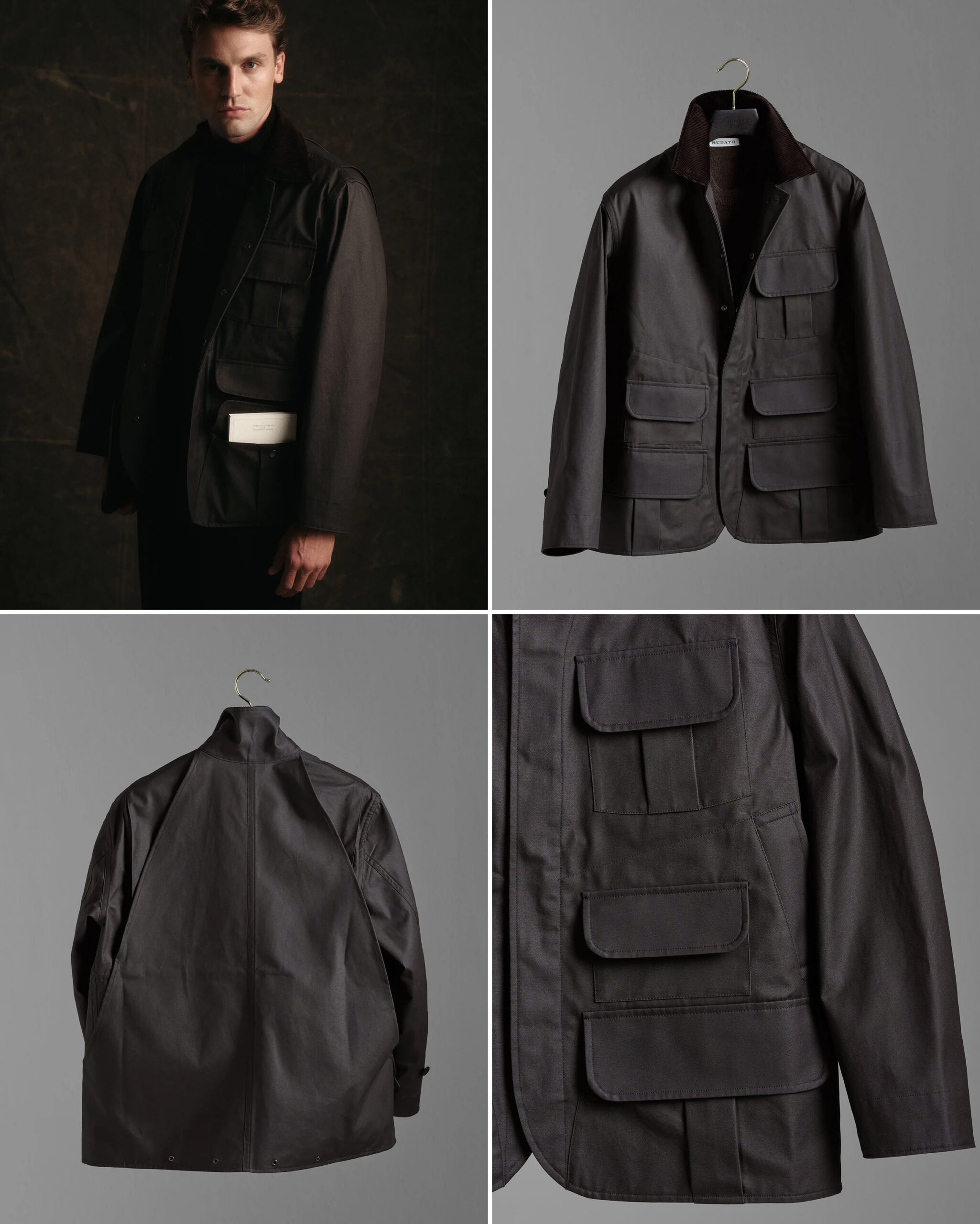
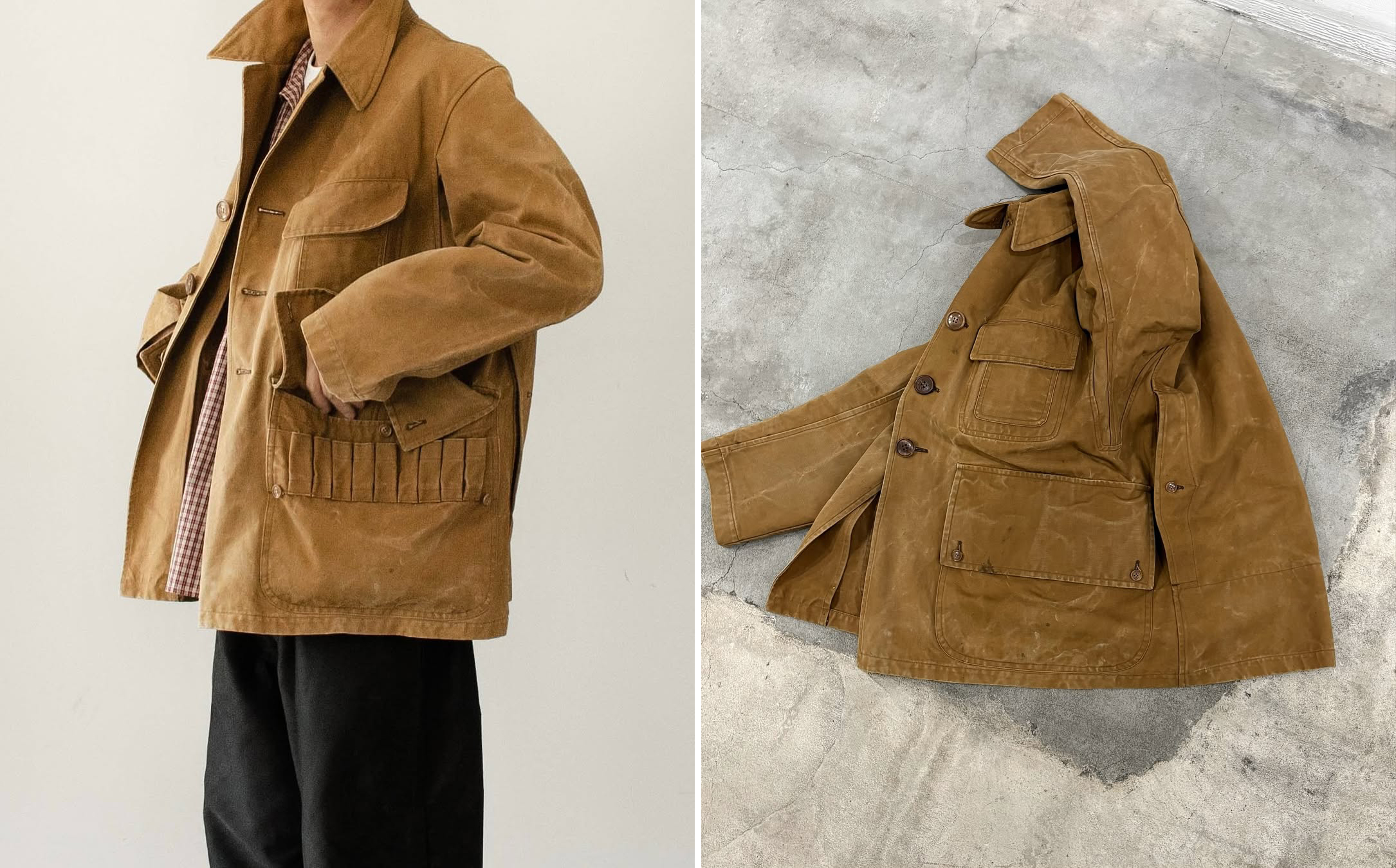
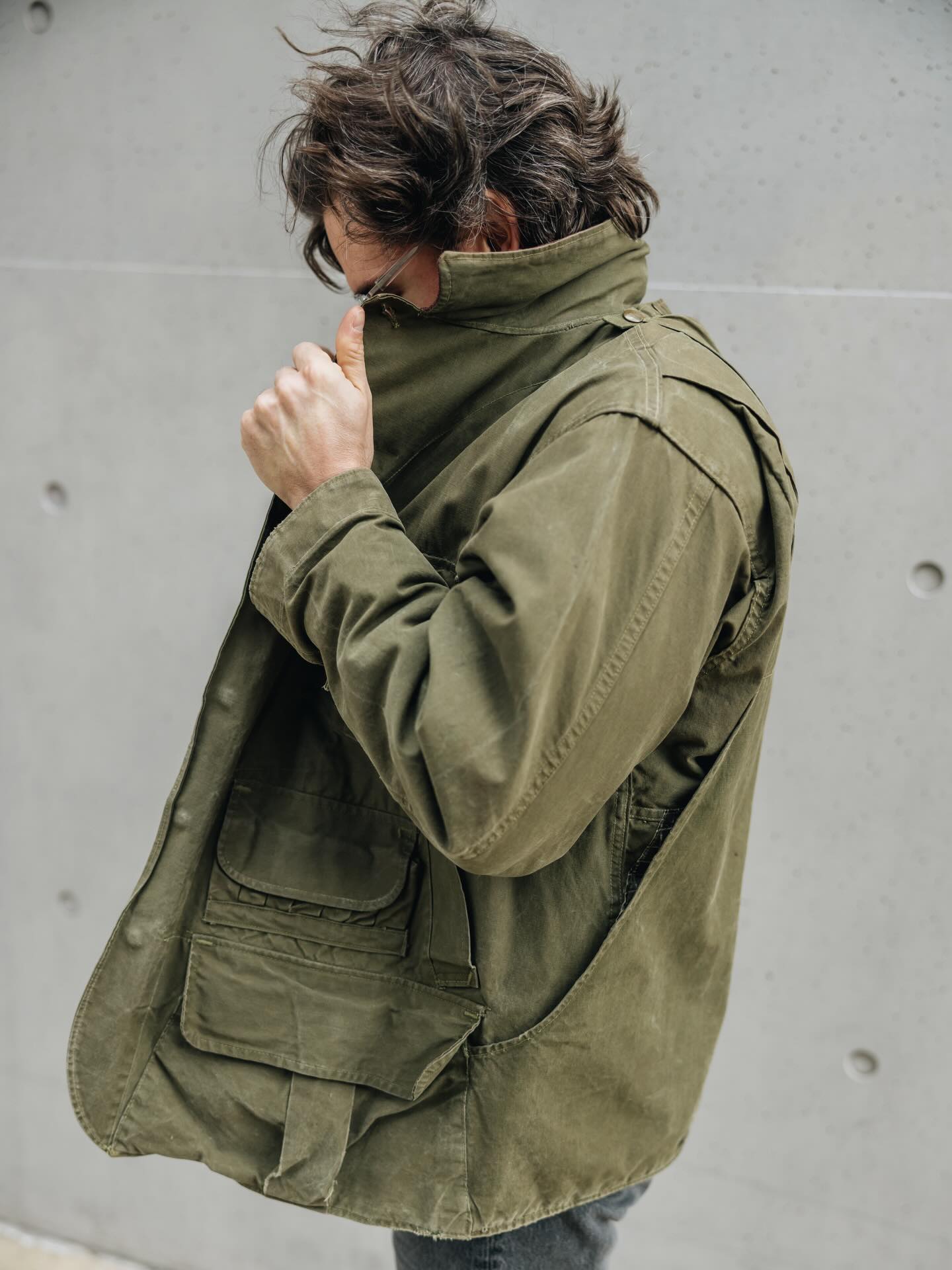
L.L.Bean’s barn coat is unimpeachable, but lately I’ve been drawn to hunting coats made by LL Bean’s early competitors. In 1928, Duxbak of Utica, New York, filed a patent for a four-button hunting coat featuring a large game pocket formed between its inner and outer layers of canvas, extending across the back and around both sides of the lower body. The garment also had a pocket accessible from the front edge, as well as two large, flap-covered hip pockets divided into separate compartments by a vertical line of stitching. Unfortunately for Duxbak, their coats may have been too well-made. Throughout the century, Duxbak hung battered hunting coats in their storefront windows, showing how these well-worn garments remained serviceable long after the people who first wore them had passed away. By the end of the century, the company’s fortunes had faded, even as its old hunting coats kept finding new owners.
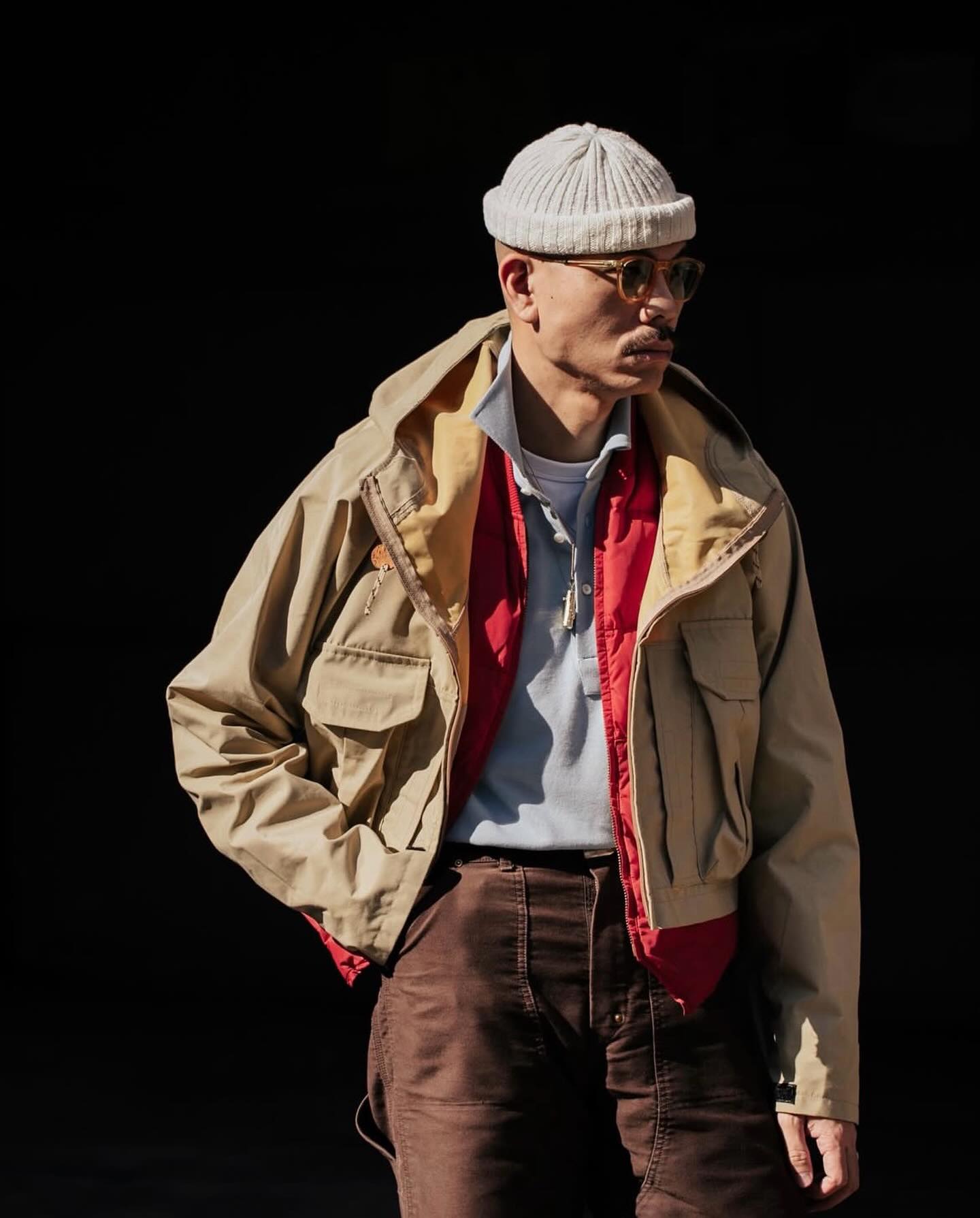
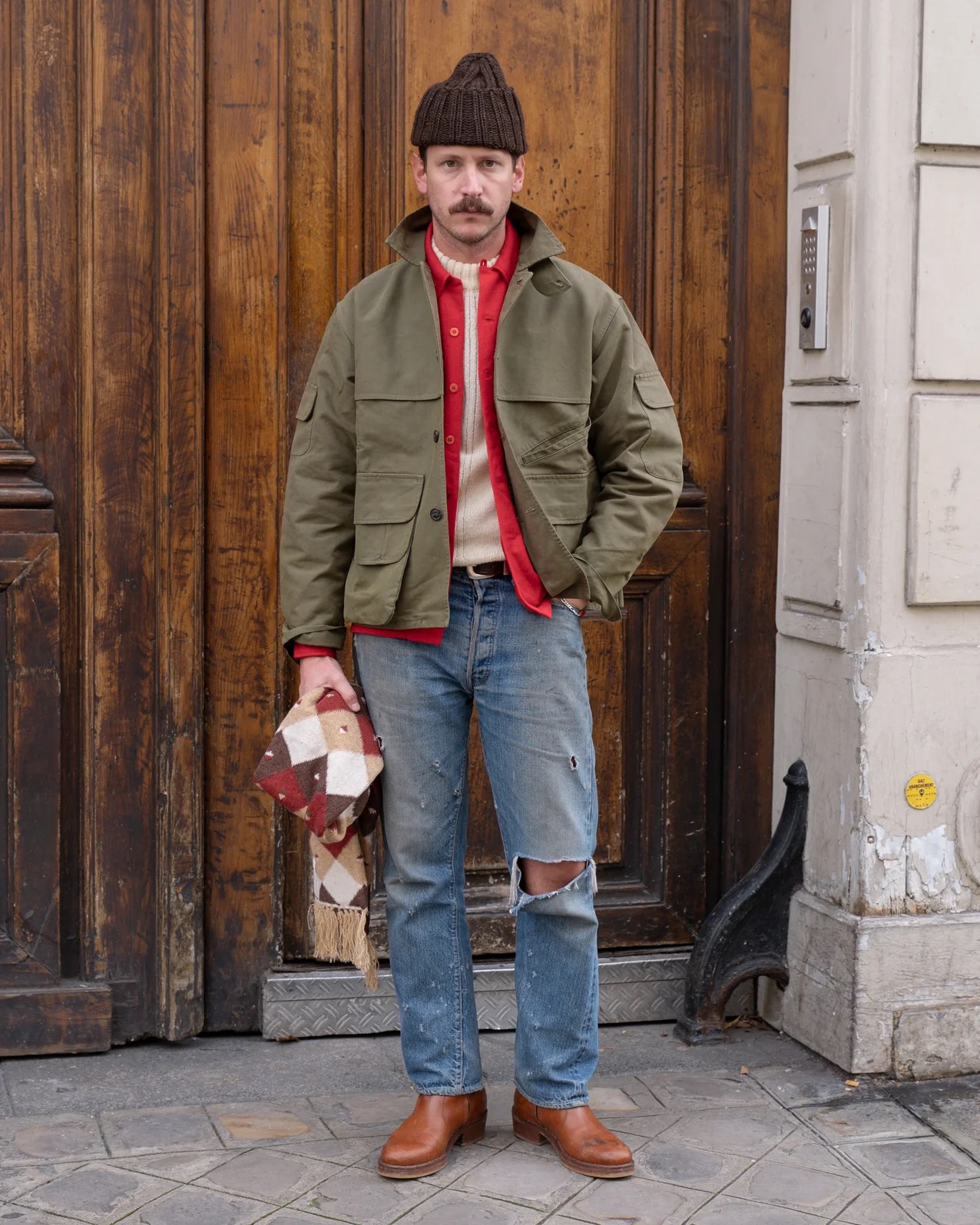
This season, Bryceland’s and Buck Mason offer their own interpretations of this Duxbak classic. From what I can tell, Bryceland’s has a slightly fuller cut that hews closer to the original, while Buck Mason has slimmed the body just a touch without sacrificing its vintage charm. You can also find vintage versions on eBay by searching for Duxbak, along with other vintage sporting-goods labels such as Red Head, Saf-T-Bak, and Hinson. I picked up the Bryceland’s version and a vintage Hinson this season, partly because they feel more workwear than Ivy (unlike the L.L.Bean version). I’ve found they go great with cream Shaker knits, grey sweatshirts, olive fatigues, tan Army-styled chinos, and blue jeans. The specialized pockets, once designed to hold shotgun shells, now hold a notebook, reading material, and some peanuts for squirrels. The spacious game pocket at the back can also carry enough groceries home to make a pot of soup.
Options: Bryceland’s, Buck Mason, Rubato, LL Bean, J. Crew, Frizmworks, Bode, Filson (at $200, this seems like a good option for readers on a budget), Ralph Lauren, Duxbak, Red Head, Saf-T-Bak, and Hinson
SUEDE SHOES
It’s the natural cycle of clothing that garments eventually get put out to pasture once they’re too worn for polite company. That’s what painter Richard McKenzie thought, anyway, when he and his wife moved from Beverly Hills to West Cork, Ireland, in the 1970s. While tending his vegetable garden, he wore his oldest, most battered clothes, including a pair of “old and very comfortable” brown suede shoes his father-in-law had given him when he departed for Europe. Then, one evening, while watching Funny Face on television with his wife, he noticed something familiar about the shoes worn by the film’s star. There, on screen, was Fred Astaire — McKenzie’s father-in-law — shod in the very footwear he had been using to dig around in the dirt. What he had been treating as gardening shoes were, in fact, part of Hollywood history. “I’ve stopped wearing them, although they’re pretty beaten up now,” he later told an interviewer. The shoes were, however, specially cleaned before being photographed.
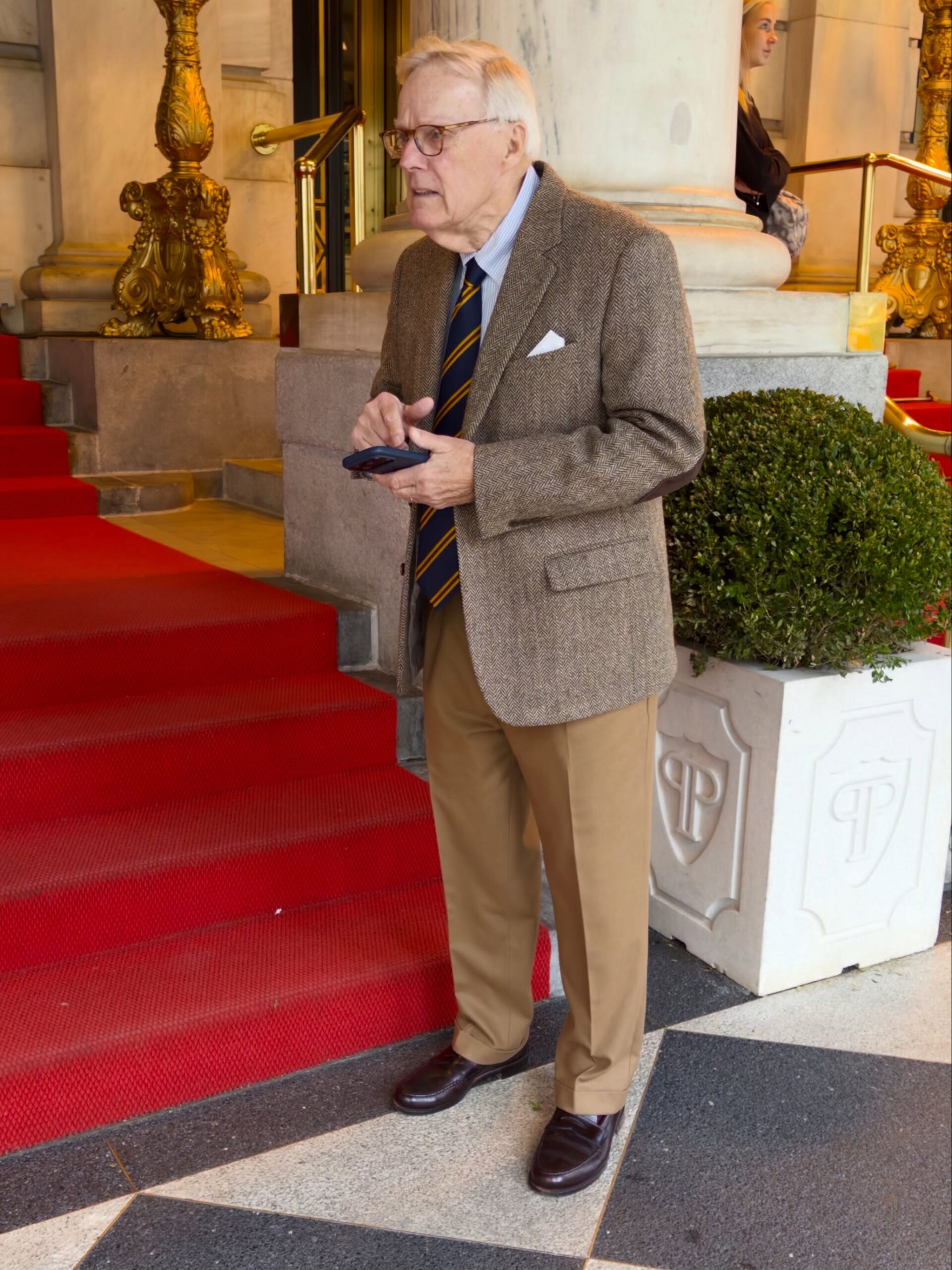
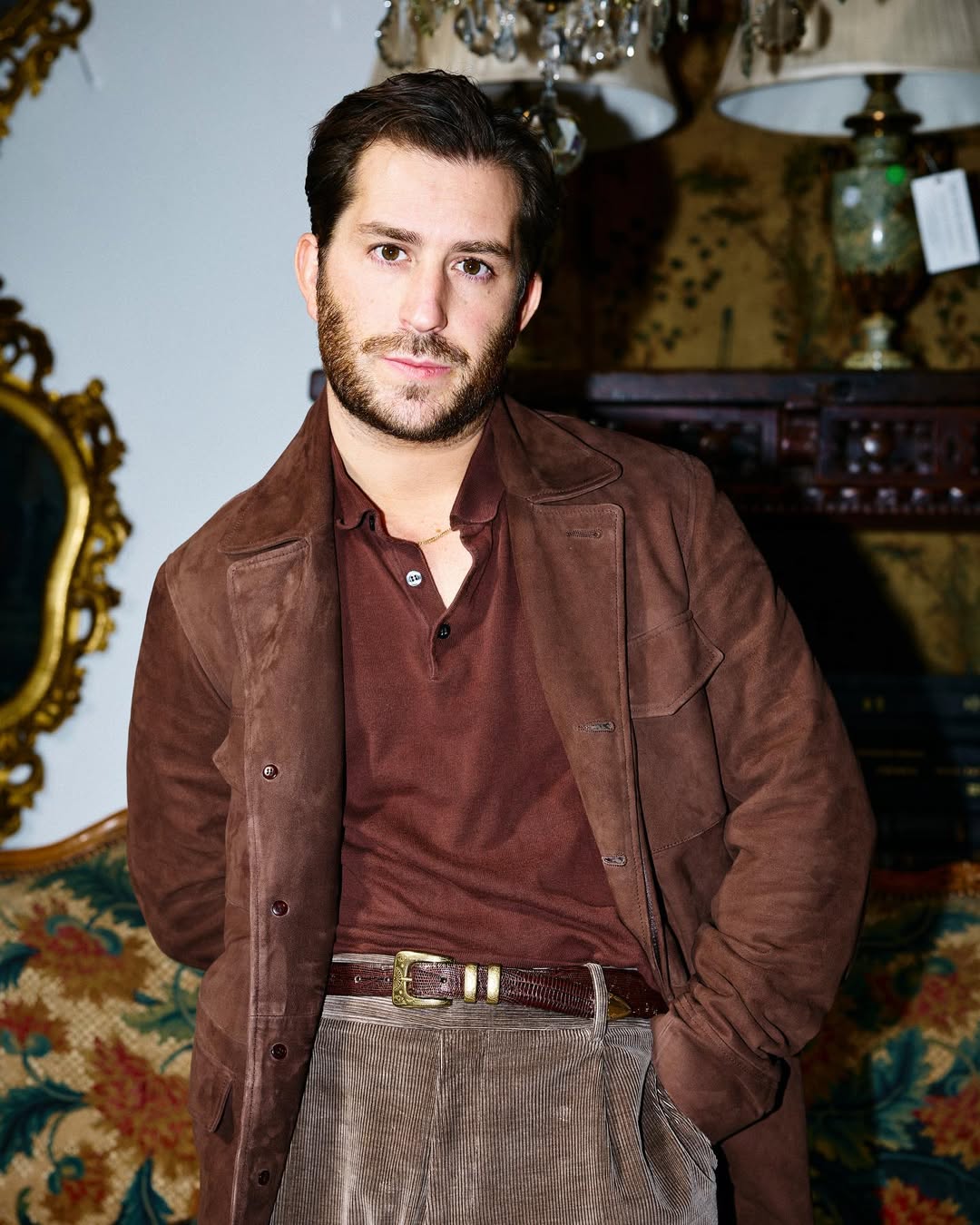
McKenzie may have had the right idea all along. In the early 20th century, suede shoes were considered country dress, too informal to be worn with proper city tailoring. That changed thanks partly to the Duke of Windsor, who paired brown suede shoes with dark worsted suits, using their soft, matte texture to temper the formality of polished city clothes. Since then, suede’s relaxed elegance has made it a favorite of stylish men, including Fred Astaire, who appreciated its ability to make even the most carefully considered outfits look effortless. Part of this power, of course, stems from suede’s country roots, which give it a certain informality, much like tweed sport coats or corduroy suits. This makes them particularly useful in today’s increasingly dressed-down world. As the eminently stylish Bruce Boyer once told Simon Crompton: “I like brown suede shoes [because] they can be worn with anything, even a navy blue suit.”
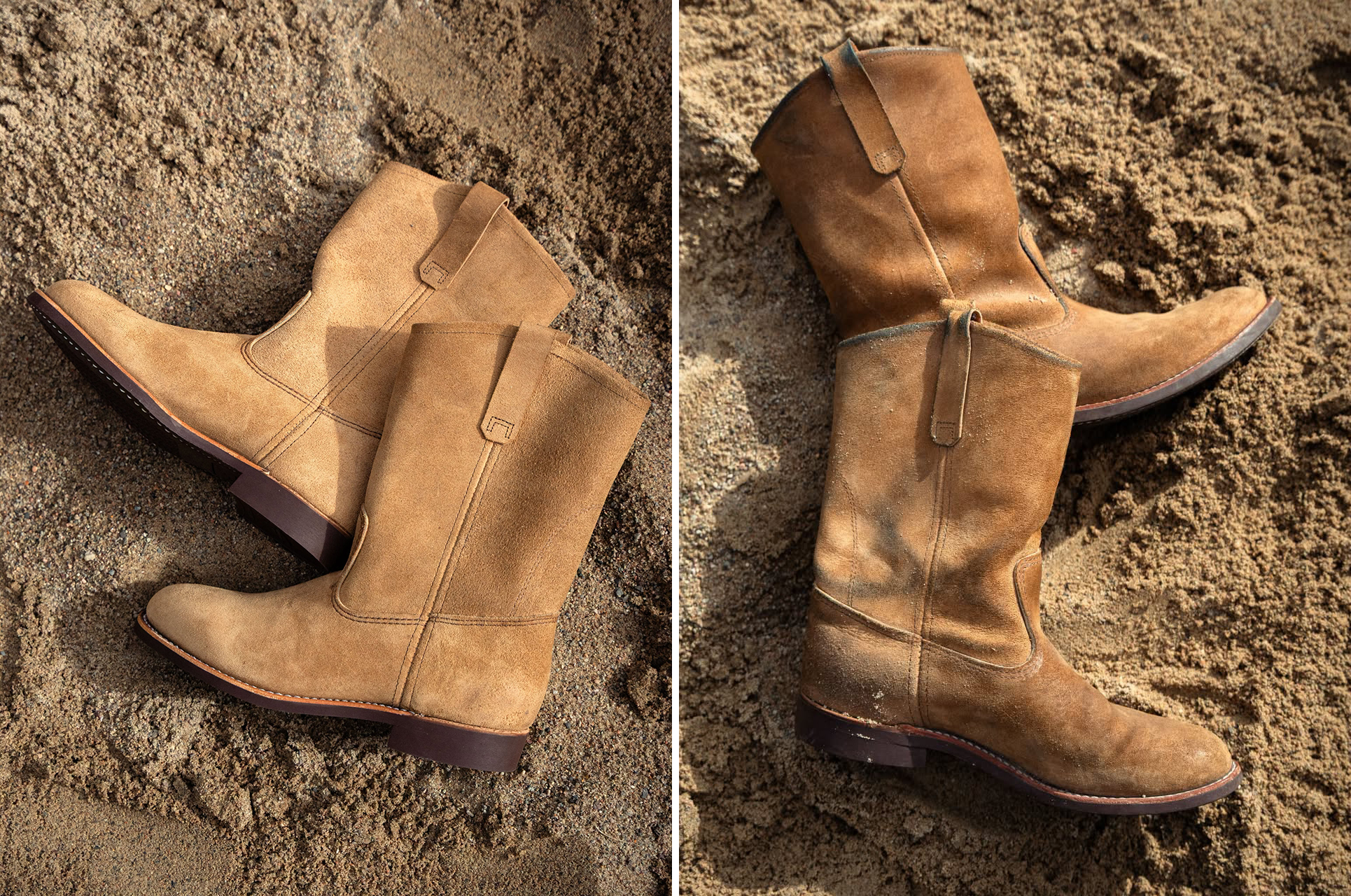
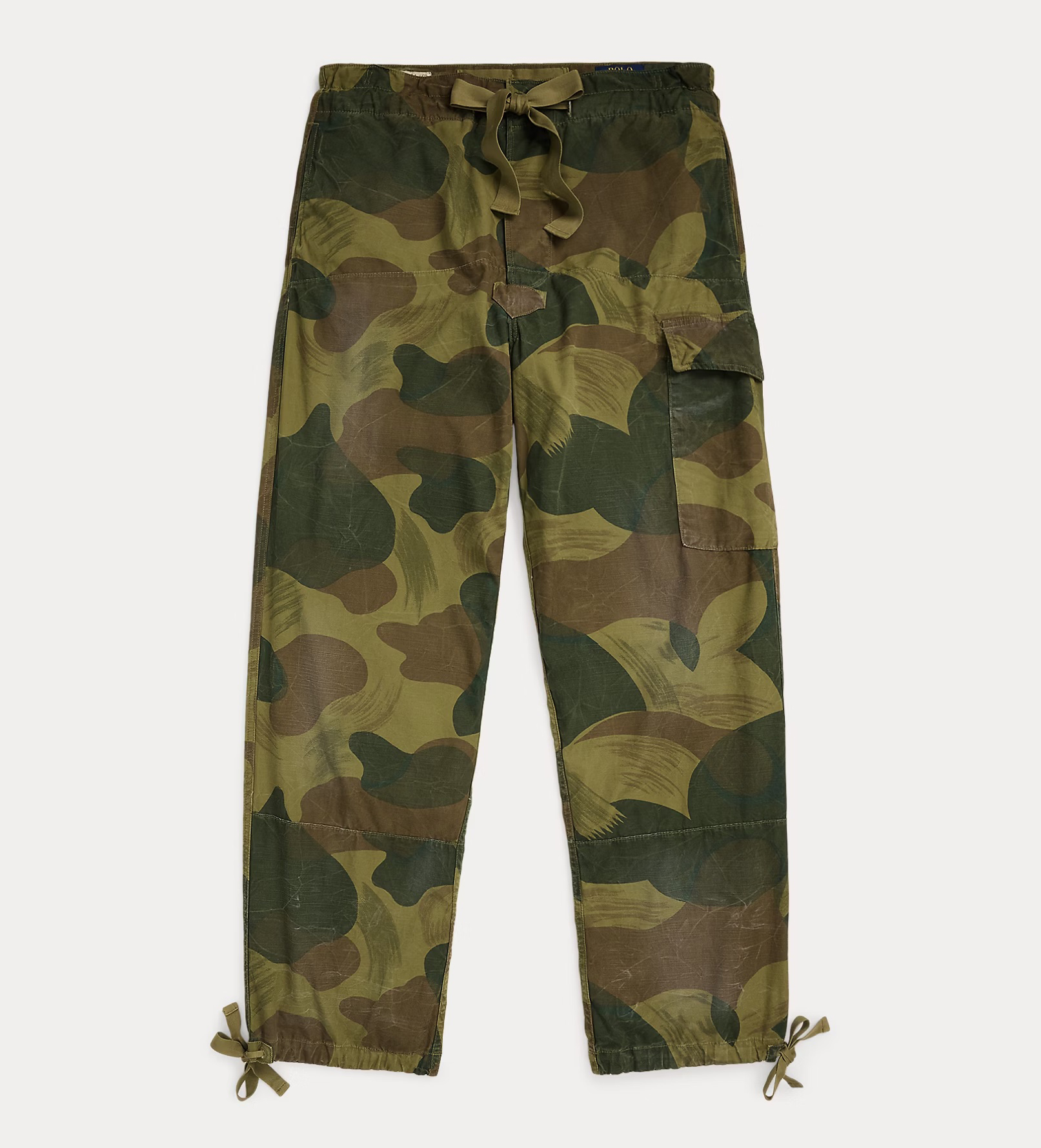
This season, I’m excited to wear three pairs of suede shoes in particular. The first is Red Wing’s Pecos in their celebrated Hawthorne Muleskinner suede, which the company brought back last year for their 120th anniversary. These suede ropers have a touch of Westernwear swagger, but their understated design makes them surprisingly versatile with other kinds of workwear, including wide-legged jeans and olive fatigues. Since purchasing them last summer, they’ve become one of my favorite pairs of shoes. Whereas Red Wing’s heavier, smoother-leather work boots can be a chore to break in, these were comfortable right out of the box. I don’t know what Red Wing does to this material, but it picks up marks so easily that even a cubicle farmer like me can look like he does more than perform emotional labor.
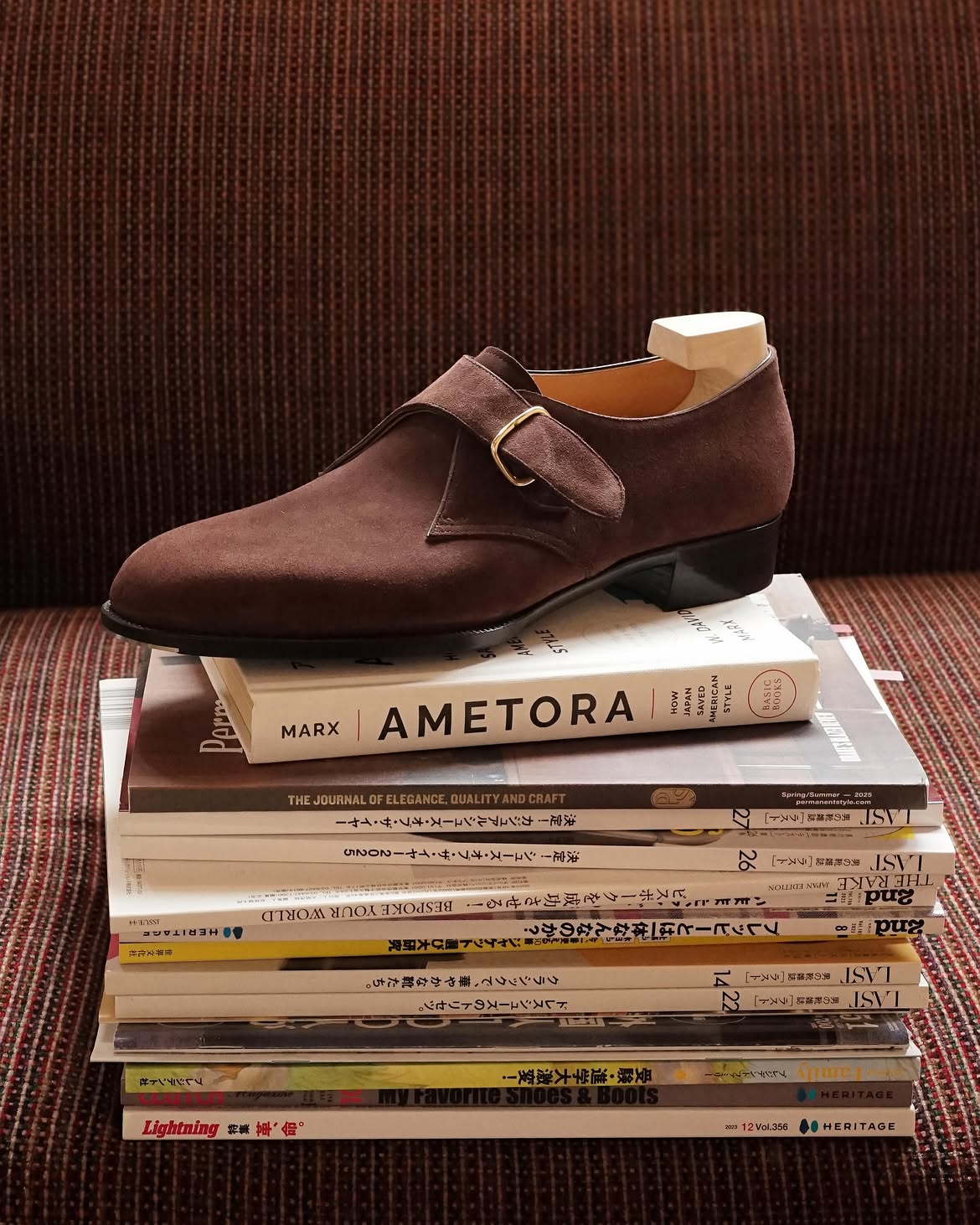
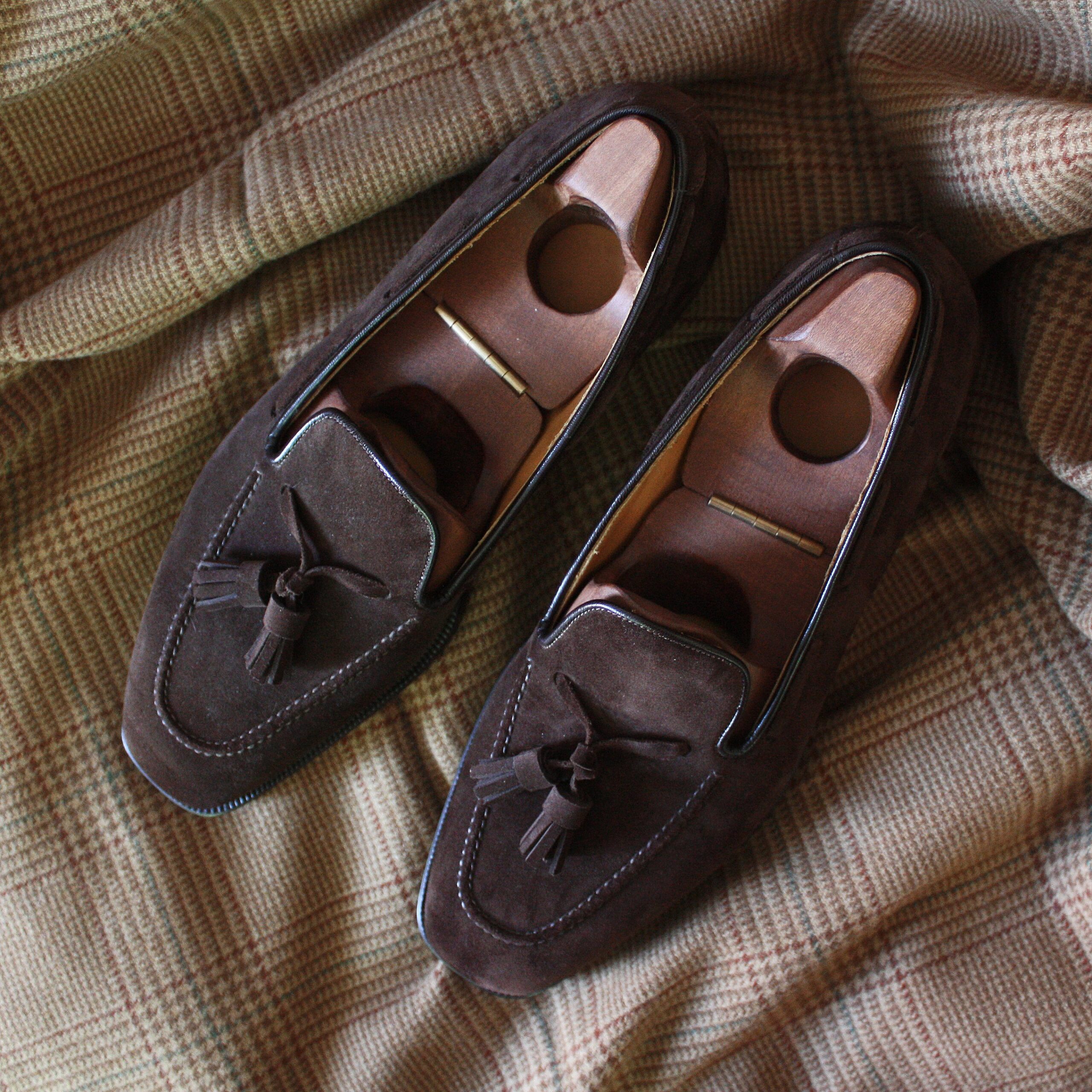
The other two are dressier suede shoes: tassel loafers from Nicholas Templeman and single monks from Seiji McCarthy. I like tassel loafers for all the reasons other people hate them: they’re irredeemably fusty and faintly pompous, strongly associated with aging academics and corporate lawyers. These Templeman loafers are modeled after a pair I saw from Allen Edmonds with low-slung tassels, which I thought made them look particularly jaunty. The term “monkstrap,” meanwhile, can still trigger PTSD in anyone who lived through the #menswear era of 2010s, when double monks were routinely paired with cutaway collars, Black Watch ties, and “blogger blue” suits. I couldn’t bring myself to wear my pebble-grain double monks for years, but eventually came around to the simpler, more elegant single monk after repeatedly seeing them on men whose style I admire: Jean d’Ormesson, Gregory Peck, Tennessee Willams, and George Hamilton. I find McCarthy’s version particularly charming because it balances formality and ease. The almond-shaped toe has just enough definition without being too sleek; the strap has just enough sweep to avoid looking too Ren faire or aggressively dandyish. I find they pair well with gabardine and flannel suits, as well as tweed sports coats with whipcord trousers. Like chukkas, I think they do best in suede, as the napped material breaks up the expanse of uninterrupted leather that takes up the top of the foot. Then again, I may be biased, as the term “single monk” describes both a shoe and my lifestyle.
Options: Red Wing Pecos, Tecovas, Rios of Mercedes, Unmarked, Stetson, Lucchese, and La Botte Gardiane. You can get suede single monks and tassel loafers from almost any company that sells classic Goodyear welted footwear, such as Meermin, Morjas, TLB Mallorca, Carmina, Vass, Alden, Crockett & Jones, and Edward Green.
SIMPLE PLEASURES
Shortly after moving to Japan in 1890, Lafcadio Hearn — an Ionian writer of Greek and Irish descent — penned reflections on Japanese culture and society, later collected in a volume titled Out of the East: Reveries and Studies in New Japan. In it, he mentions the heavy trains that rumbled through Japan, their shrieking, metallic whistles disrupting the sharp rattle of wooden wheels, and their thunderous motions “nearly shaking the Buddhas in the old cemetery off their lotus-flowers of stone.” In short, he was describing Japan’s great transformation from a feudal, agrarian society into a modern industrial state. Against this disorienting backdrop, another scholar, Kakuzō Okakura, published The Book of Tea (1905), a slender, reflective work widely read and admired by Western figures such as Ezra Pound.
Despite its name, The Book of Tea isn’t really about tea, per se, but rather teaism, a philosophy concerned with simplicity, imperfection, and the cultivation of beauty in everyday life. Fearing that the pursuit of material progress might come at the expense of older aesthetic and spiritual values, Okakura encouraged readers to approach the preparation and enjoyment of tea as an opportunity to reflect on these ideals. At its core, the book argues that beauty isn’t limited to extraordinary moments or what we see in museums, but can also be discovered in simple, quotidian things if we pay attention: the way we arrange a room, greet a visitor, or prepare a drink. He also argues that simplicity is not the same as deprivation, and extravagance is no guarantee of beauty. Money and ornamentation, after all, are poor substitutes for judgment. A sparsely furnished room can be beautiful, while an extravagantly decorated one can feel oppressive.
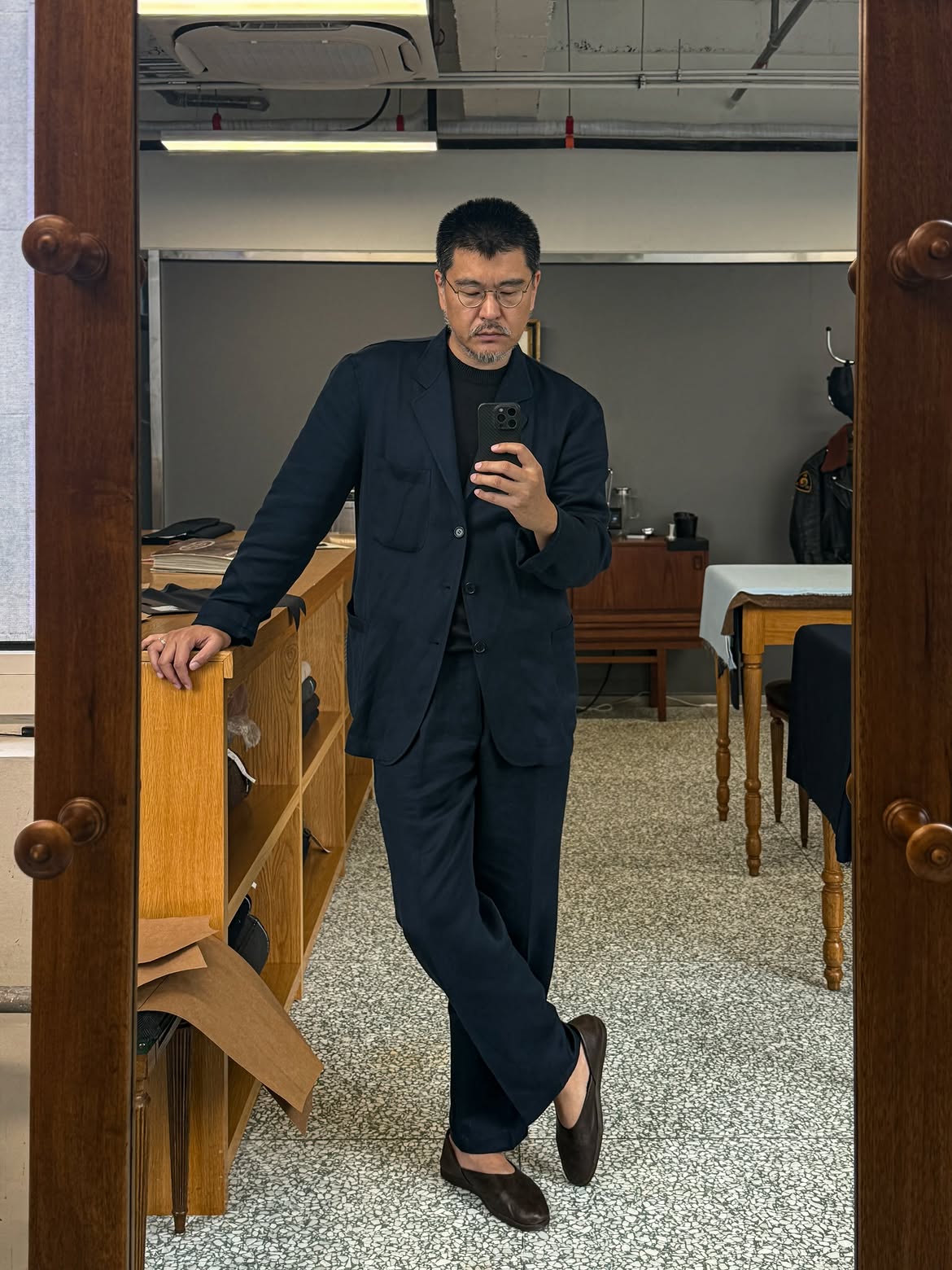
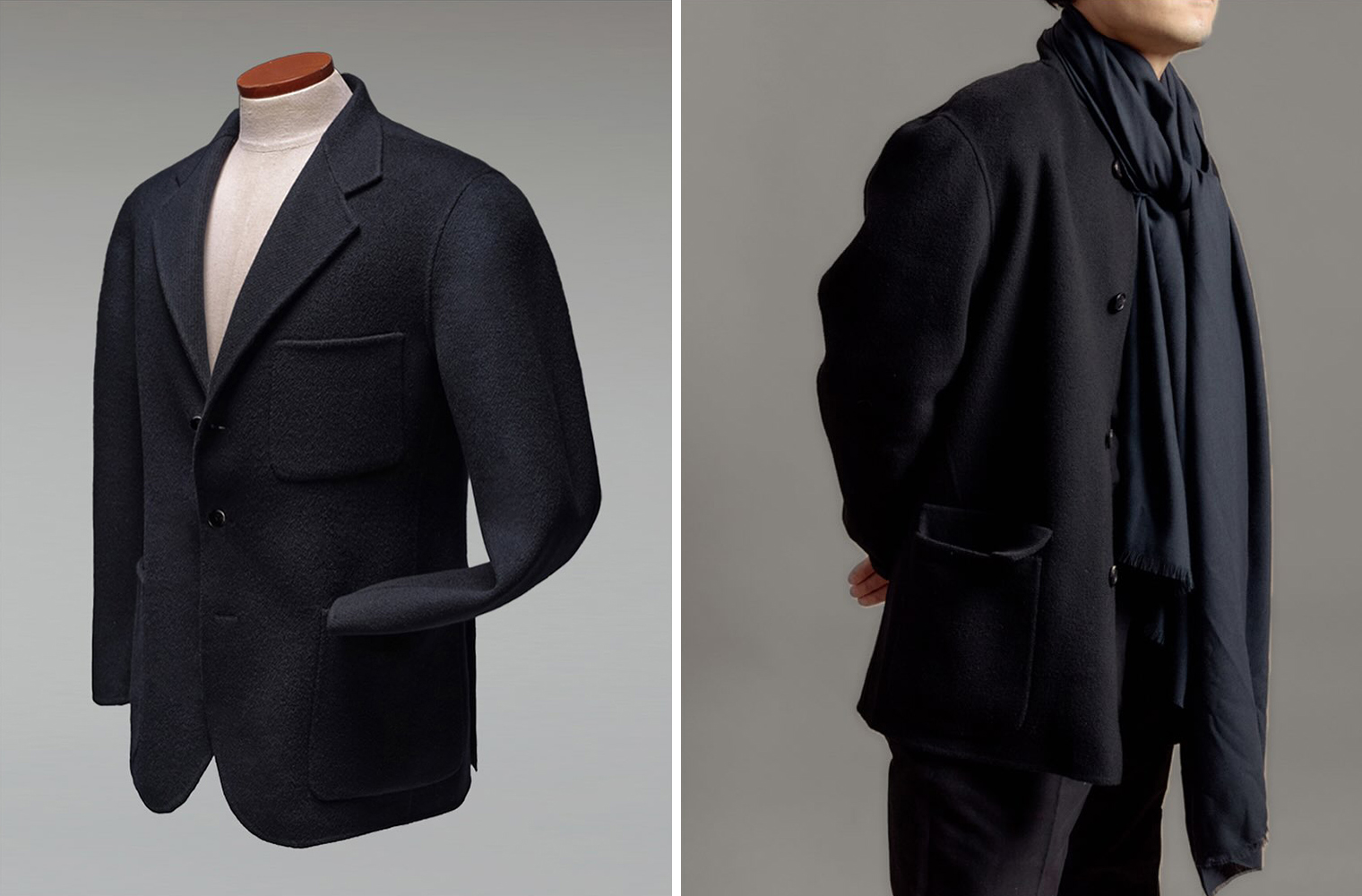
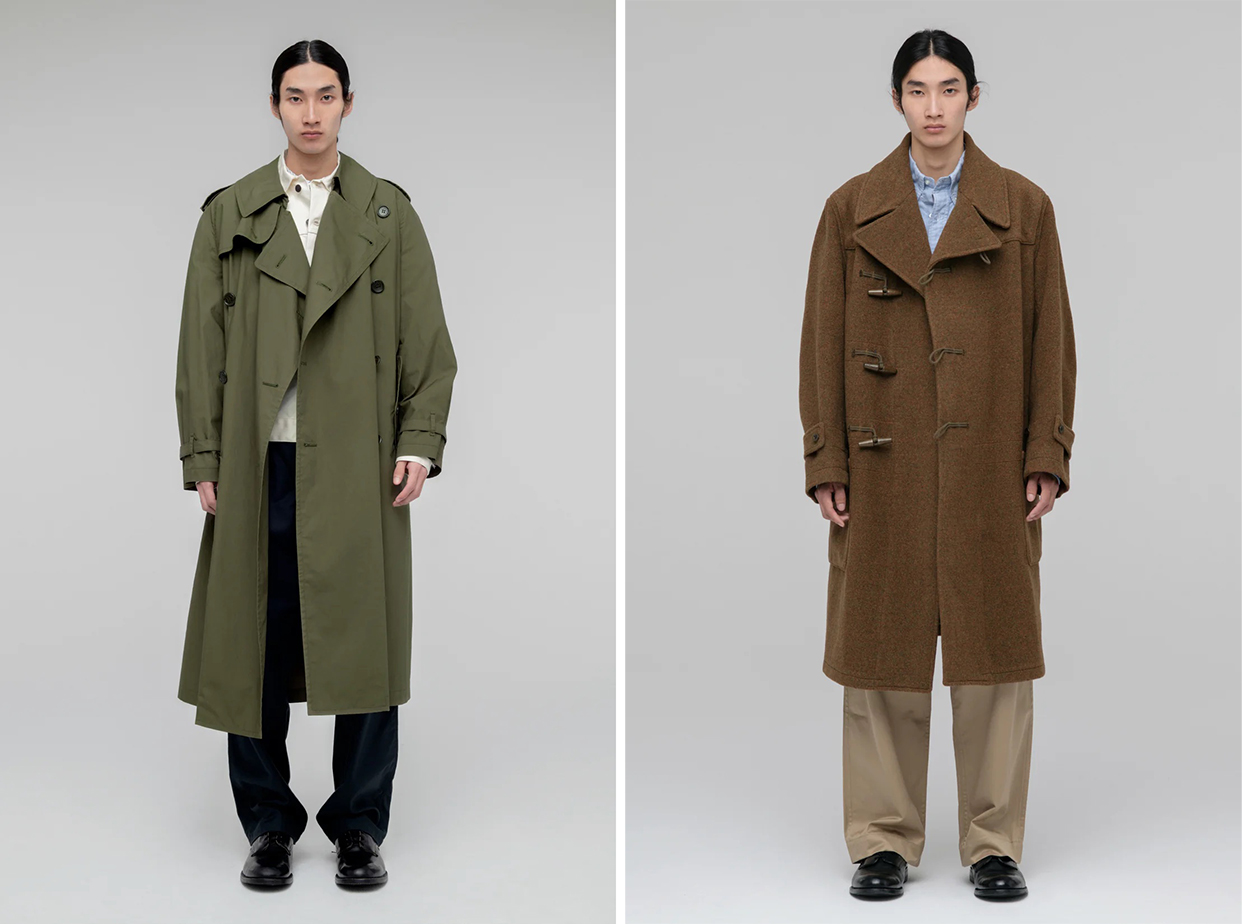
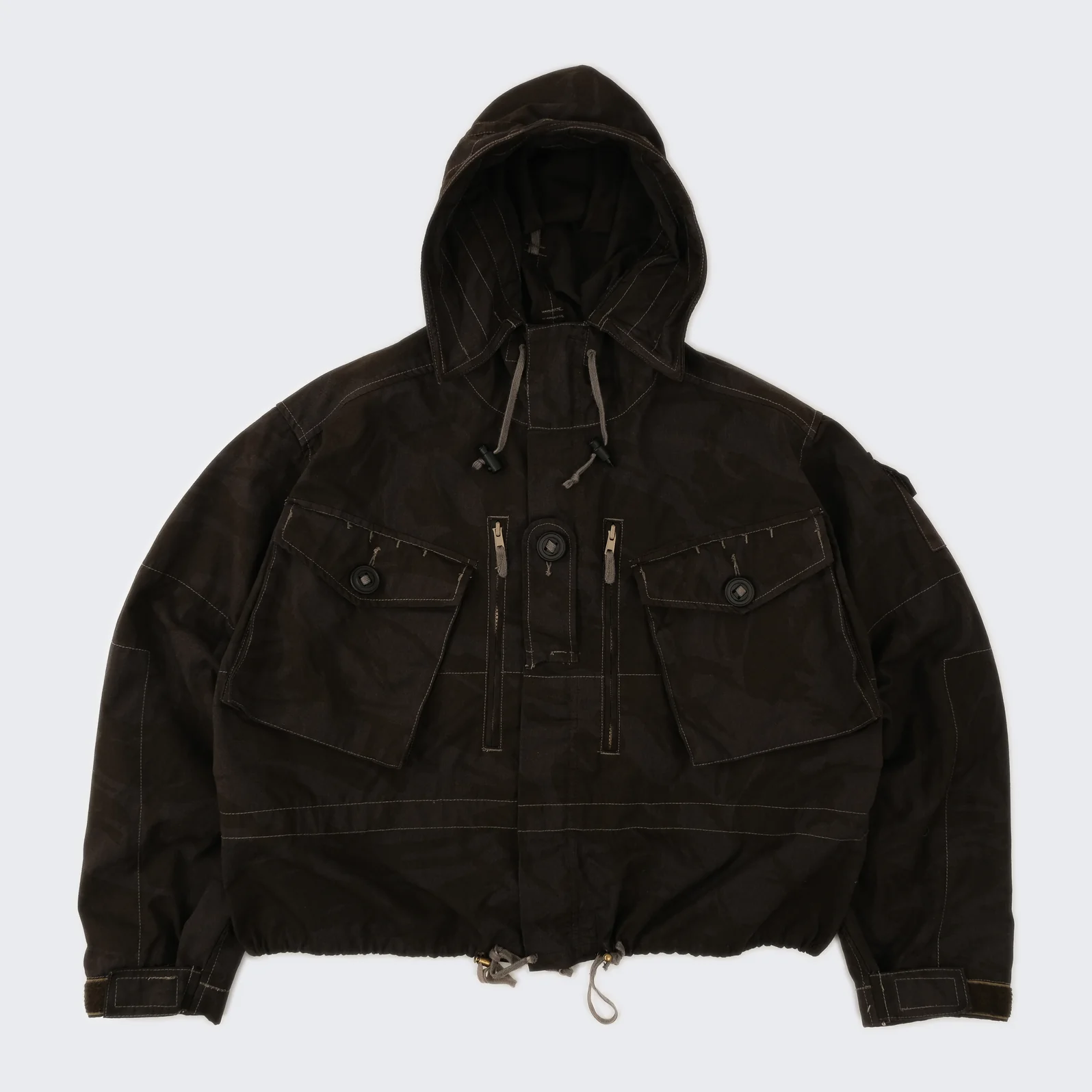
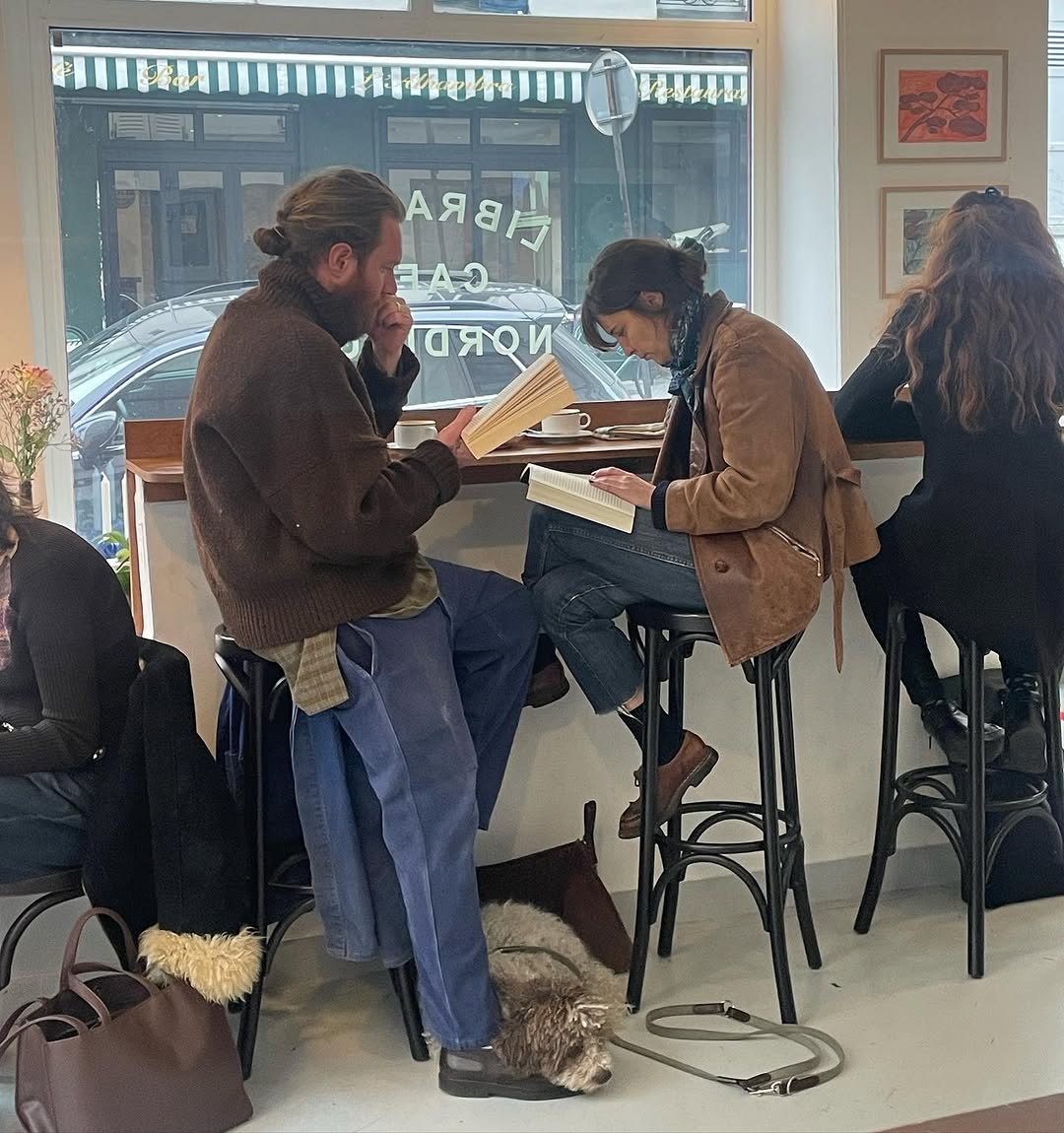
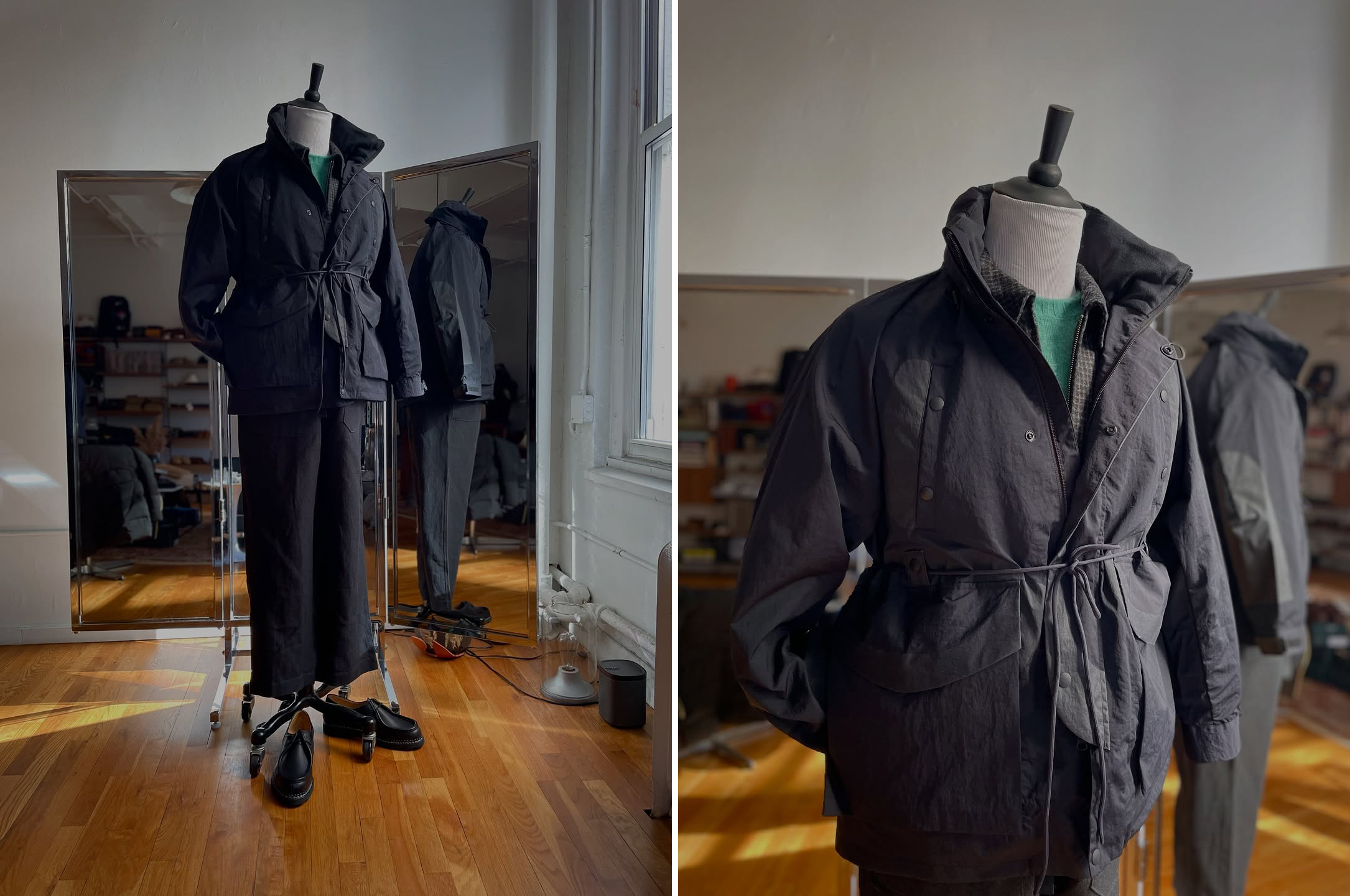
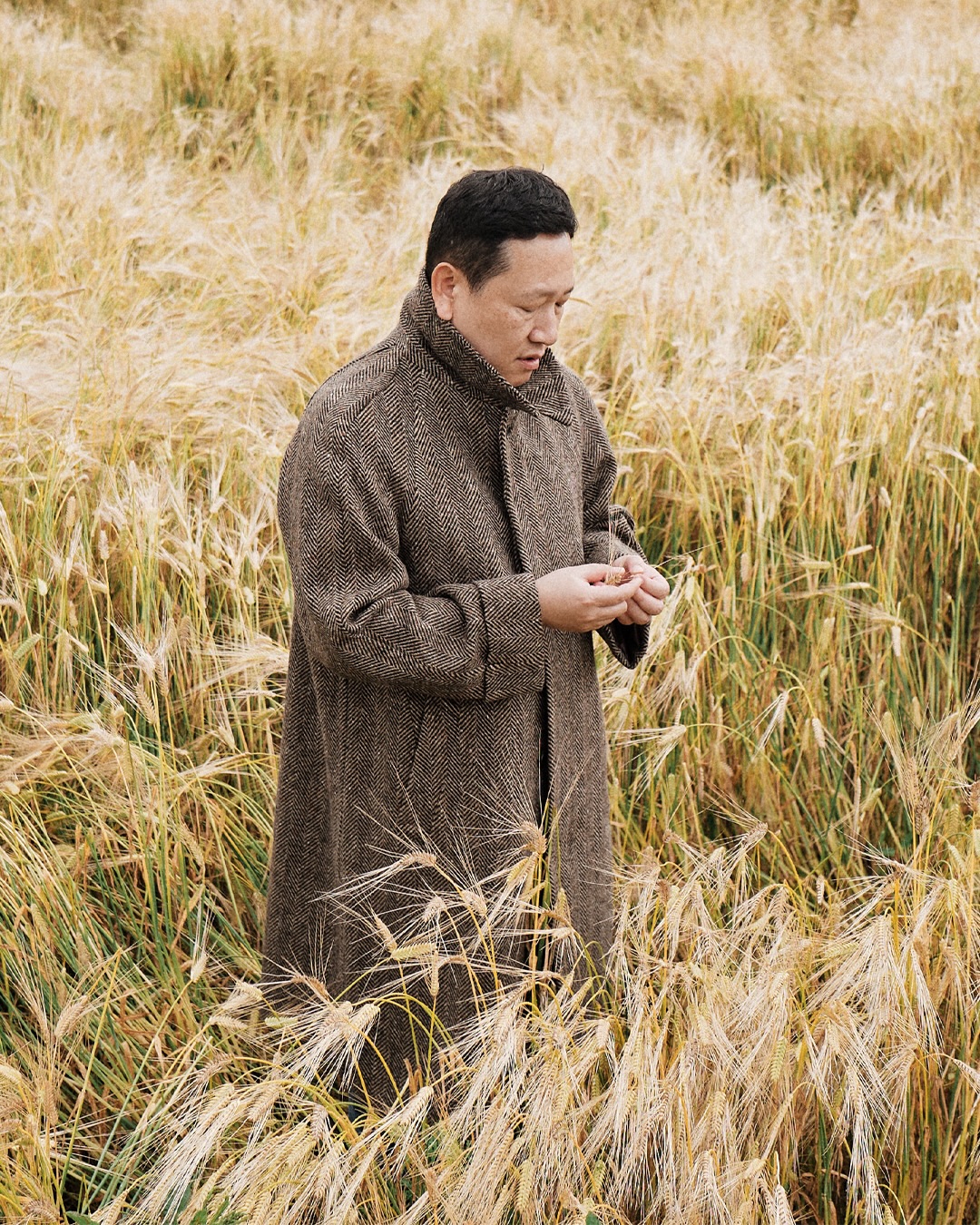
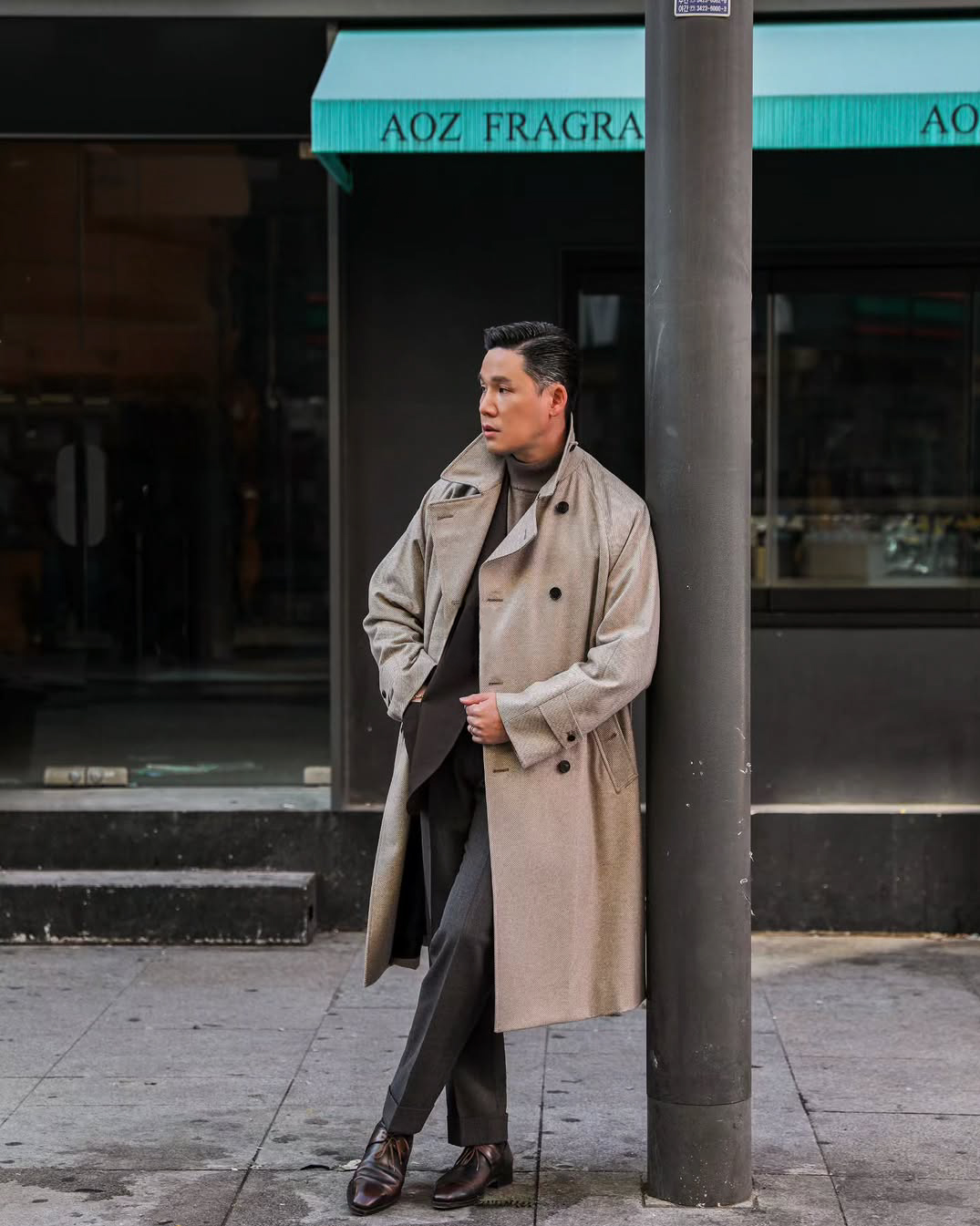
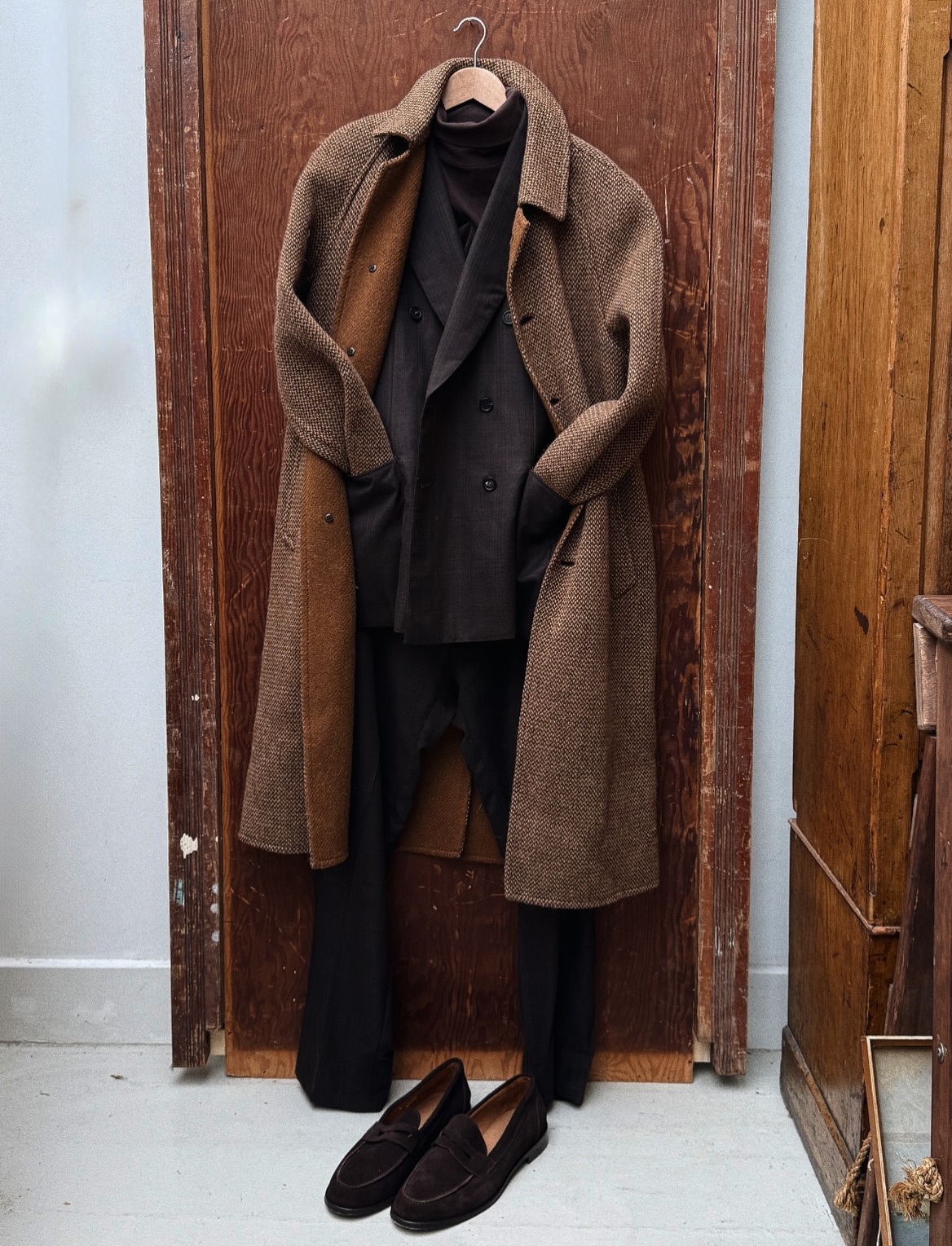
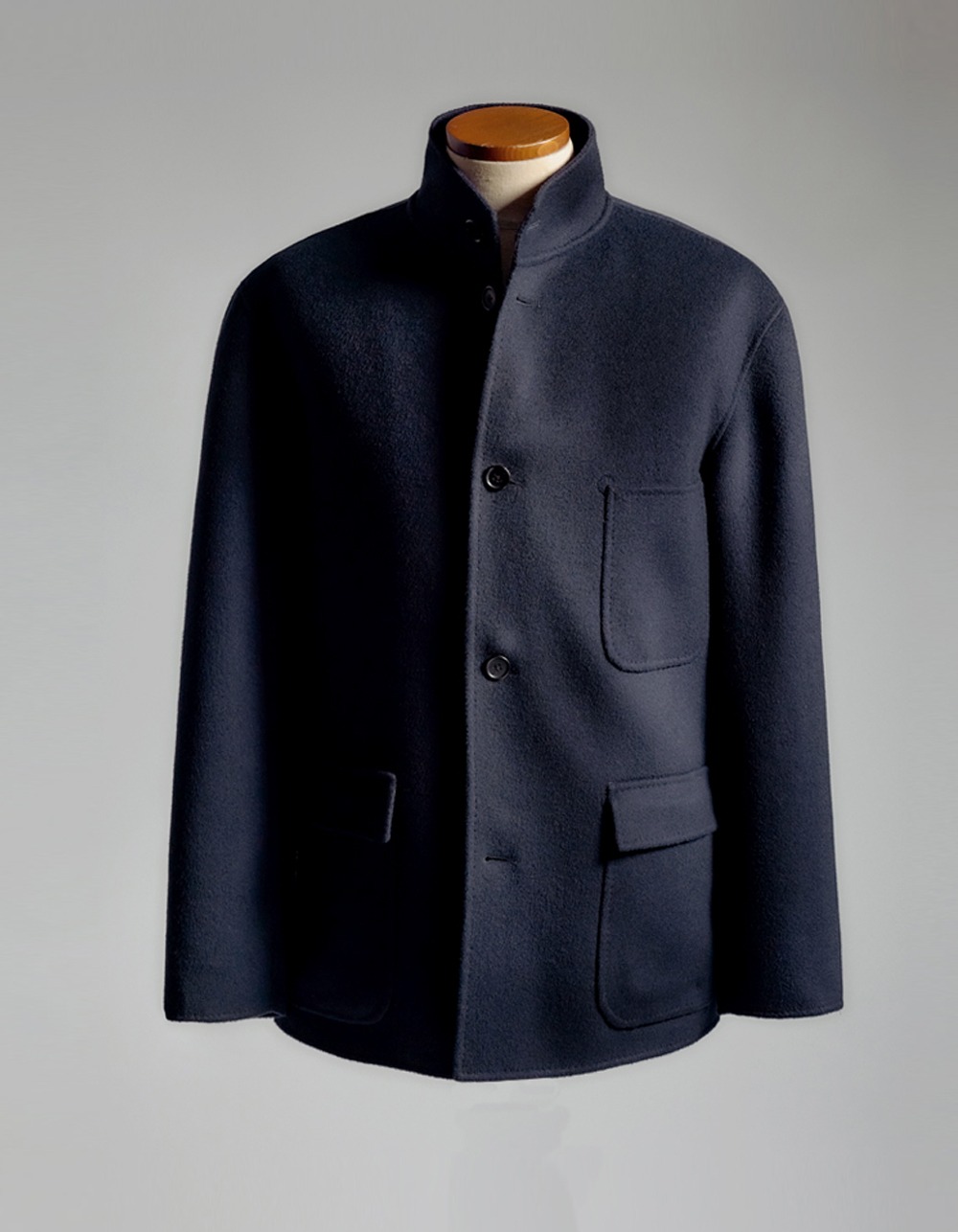
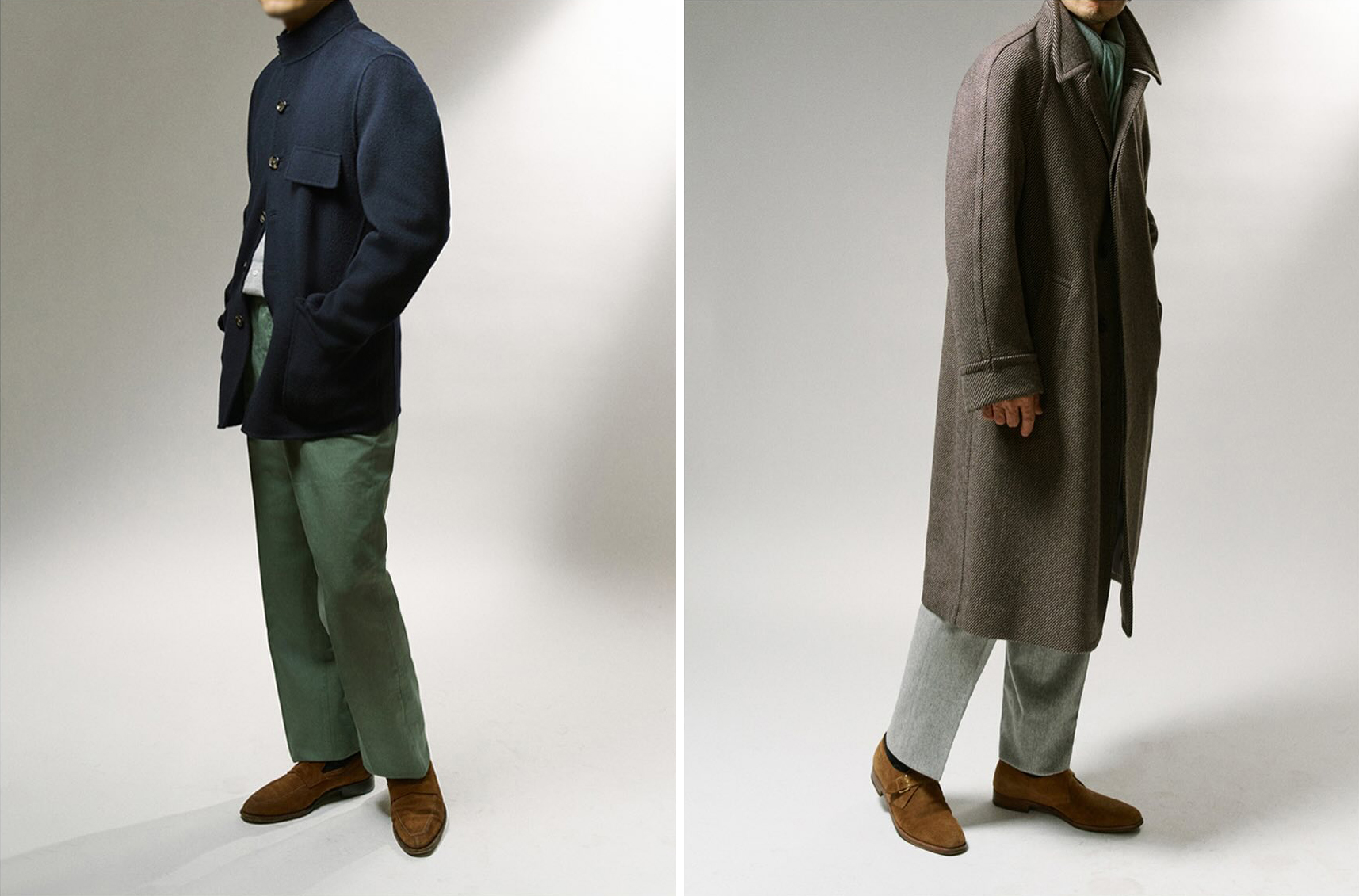
I’ve been thinking about Okakura’s book lately, as I spend about an hour each morning writing in a journal at a local tea shop. I’ve found that this daily practice helps slow things down, making me more attentive and grounded in my physical life, rather than just the one online. On some of these mornings, I’ve been wearing a Teba jacket or Balmacaan from Jun Byung-ha, a Neapolitan-trained Korean bespoke tailor with a thoughtful ready-to-wear line. Jun has a knack for distilling things to their essential forms while still retaining a sense of beauty. I suspect this is partly because of his deep knowledge of tailoring.
For instance, Jun’s Teba jackets draw on the classic Spanish country jacket, but they’re reinterpreted with a softer, more contemporary sensibility. The double-faced wool holds its shape without the need for fusing or padding, allowing for a gently extended shoulder line that flatters a wide range of men without the stiff ceremony of traditional tailoring. This distinguishes Jun’s version from other contemporary interpretations, which are often made from lighter, more pliable fabrics and consequently wear more like shirts than jackets. Additionally, his Balmacaans have a generous body and three-piece sleeves that give the coat a gently sculpted shape. The internal glove pocket is accessible through a convenient side opening. They are offered in classic English coatings, as well as softer, more fluid Italian wools.
Much of Jun’s ready-to-wear line reminds me of Stoffa, Saman Amel, and Rubato. These labels reinterpret classic menswear by stripping away unnecessary details and rendering familiar forms in more interesting materials. But unlike less thoughtful attempts at modernization — such as Quince’s slim-fit chore coats made from blue fabric that will never fade — these designers seem to understand what made the originals appealing in the first place. This makes them particularly useful for men who like traditional tailoring but want something more modern for the office. There’s a difference, after all, between appreciating the past and feeling obliged to dress as people once did. As Okakura wrote: “A collector is anxious to acquire specimens to illustrate a period or a school, and forgets that a single masterpiece can teach us more than any number of the mediocre products of a given period or school. We classify too much and enjoy too little.”
Options: Sartoria Jun, Stoffa, Samal Amel, and Rubato.
CHAMOIS, FLANNEL, DENIM
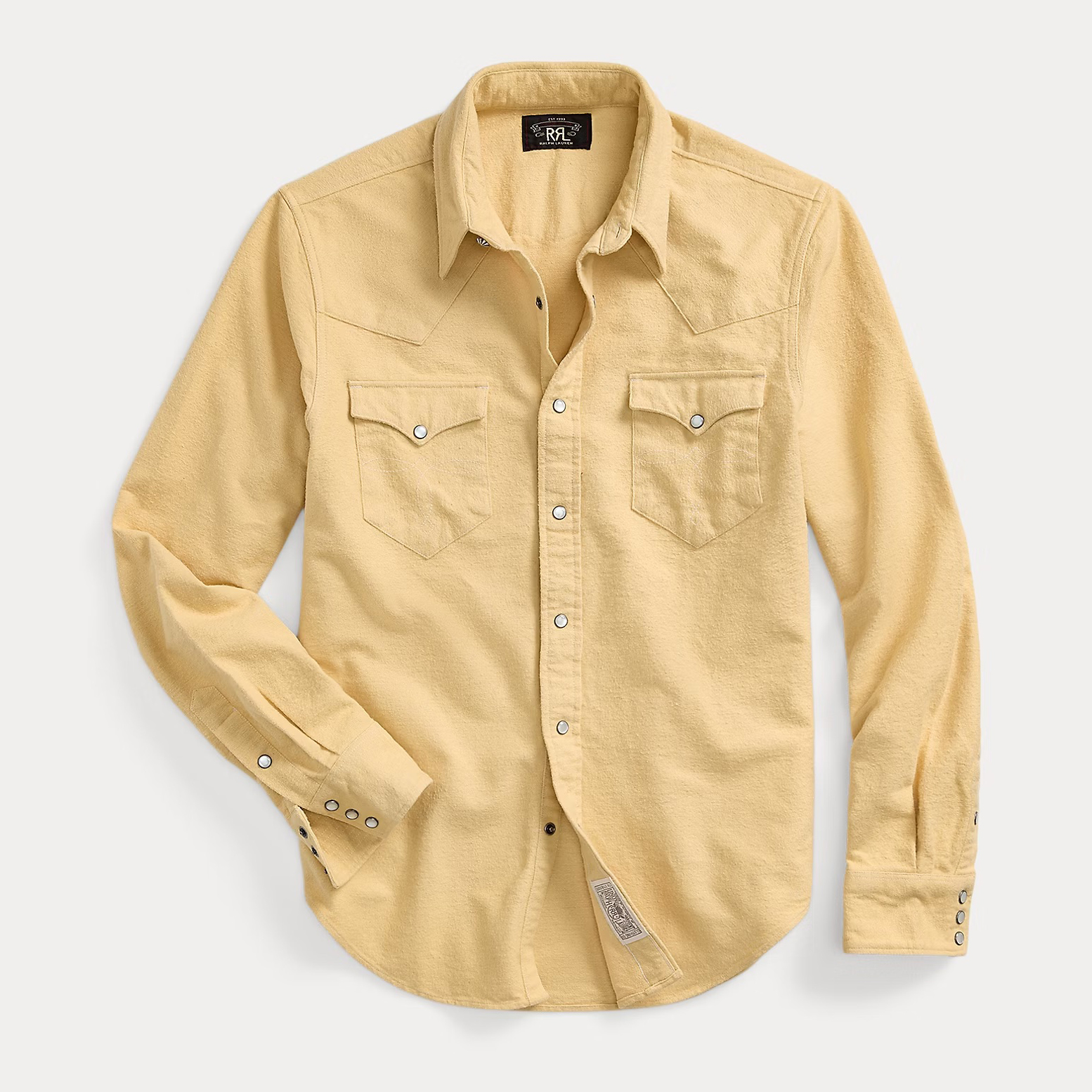
Finally, if coziness is the goal this season, I can hardly think of anything more rewarding than shirts made from chamois, flannel, and denim. Chamois, of course, refers to the densely woven, brushed cotton, not the split leather commonly used to buff cars. When LL Bean debuted these shirts in the 1920s, outdoorsmen bought them for their durability and insulating properties. But by the mid-20th century, they became increasingly popular as everyday casualwear, helped along by figures such as Rock Hudson, whose famously chiseled jawline could occasionally be seen rising above the collar of a cherry-red chamois shirt. I love chamois because it has enough heft to feel protective, while its soft, napped surface feels like cozy flannel bedsheets. The challenge is finding something you can tuck into chinos or jeans. LL Bean’s version is a classic, but it’s so thick that it’s better worn as a shirt jacket. I found a lighter, tuckable version from RRL last year, although finding something similar this season may require a little hunting.
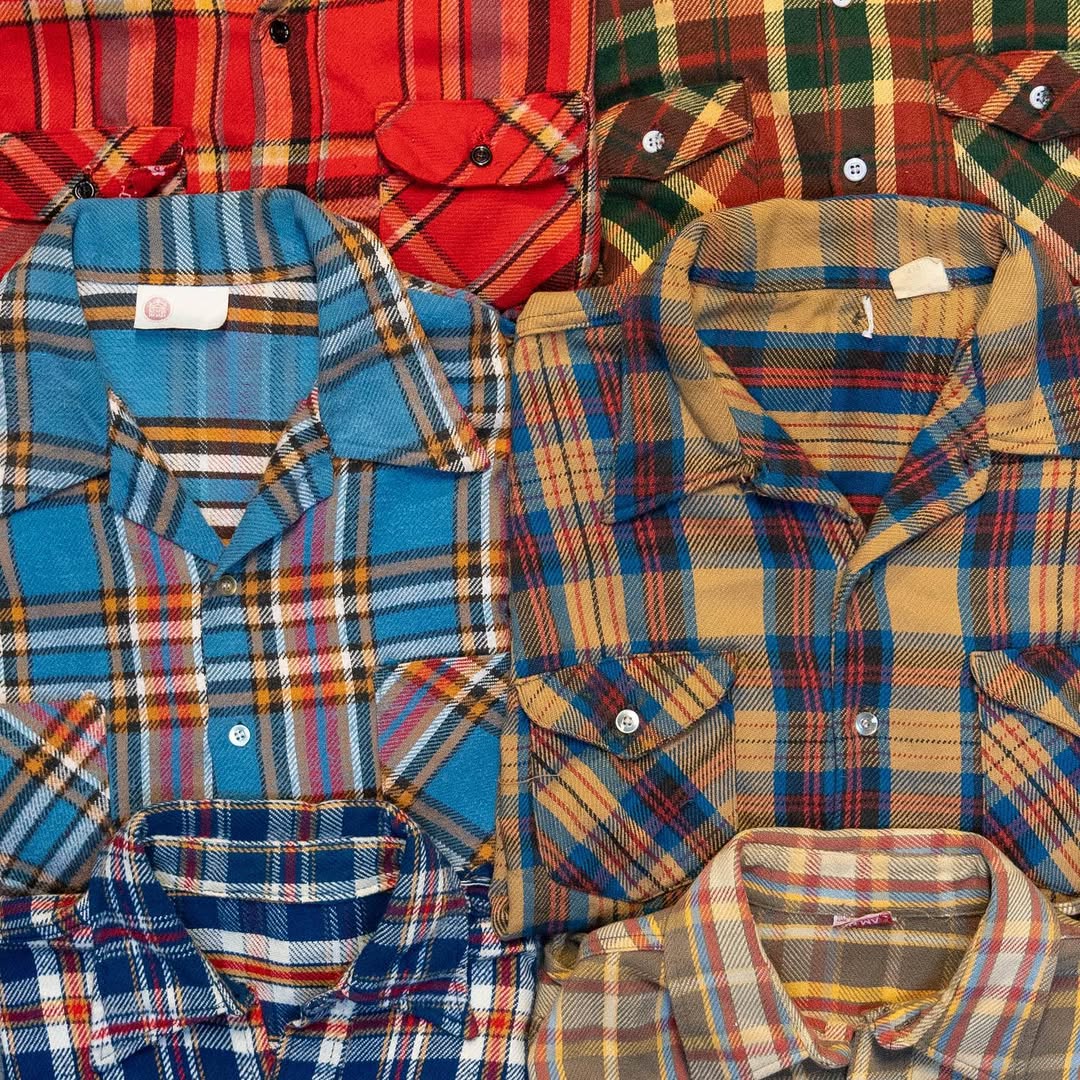
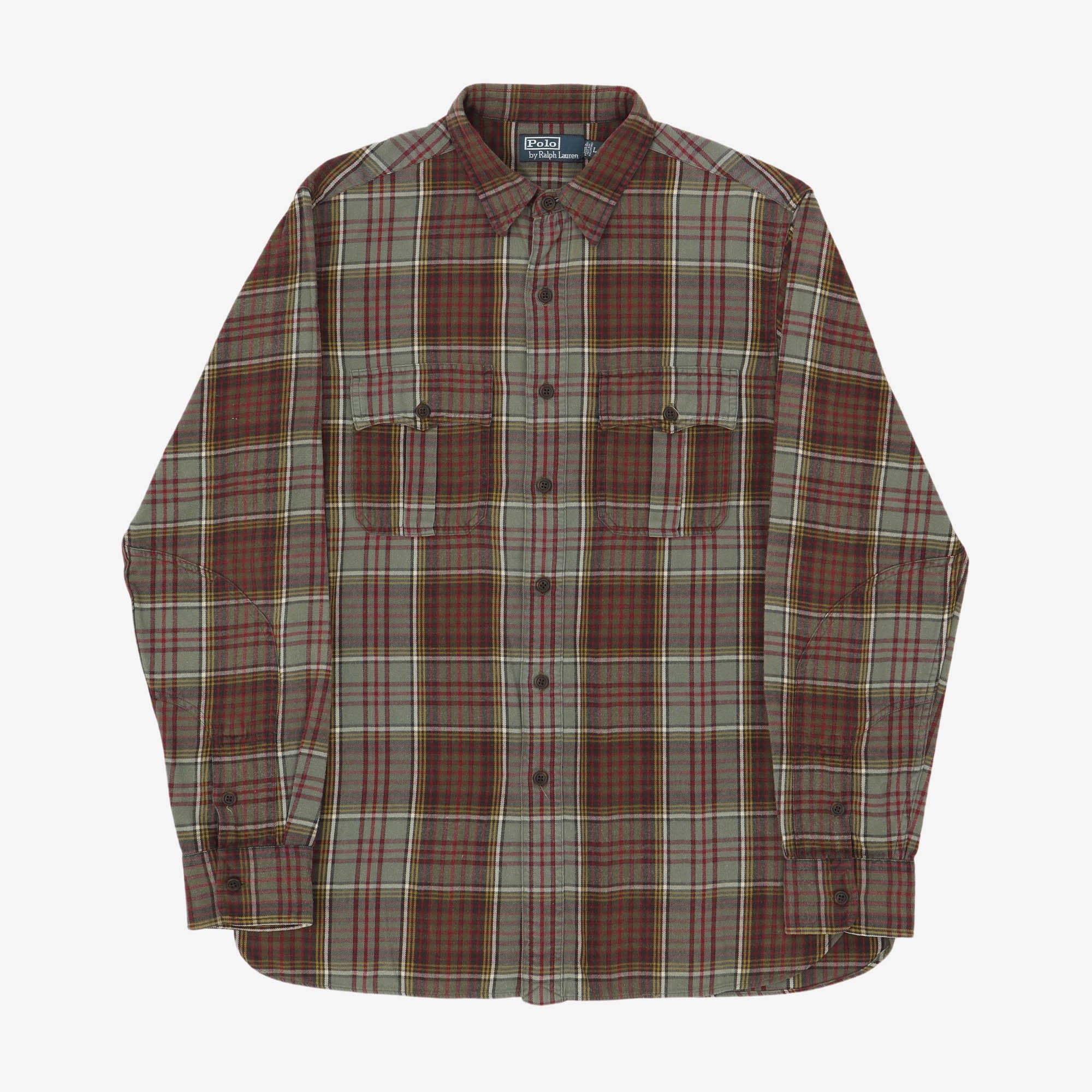
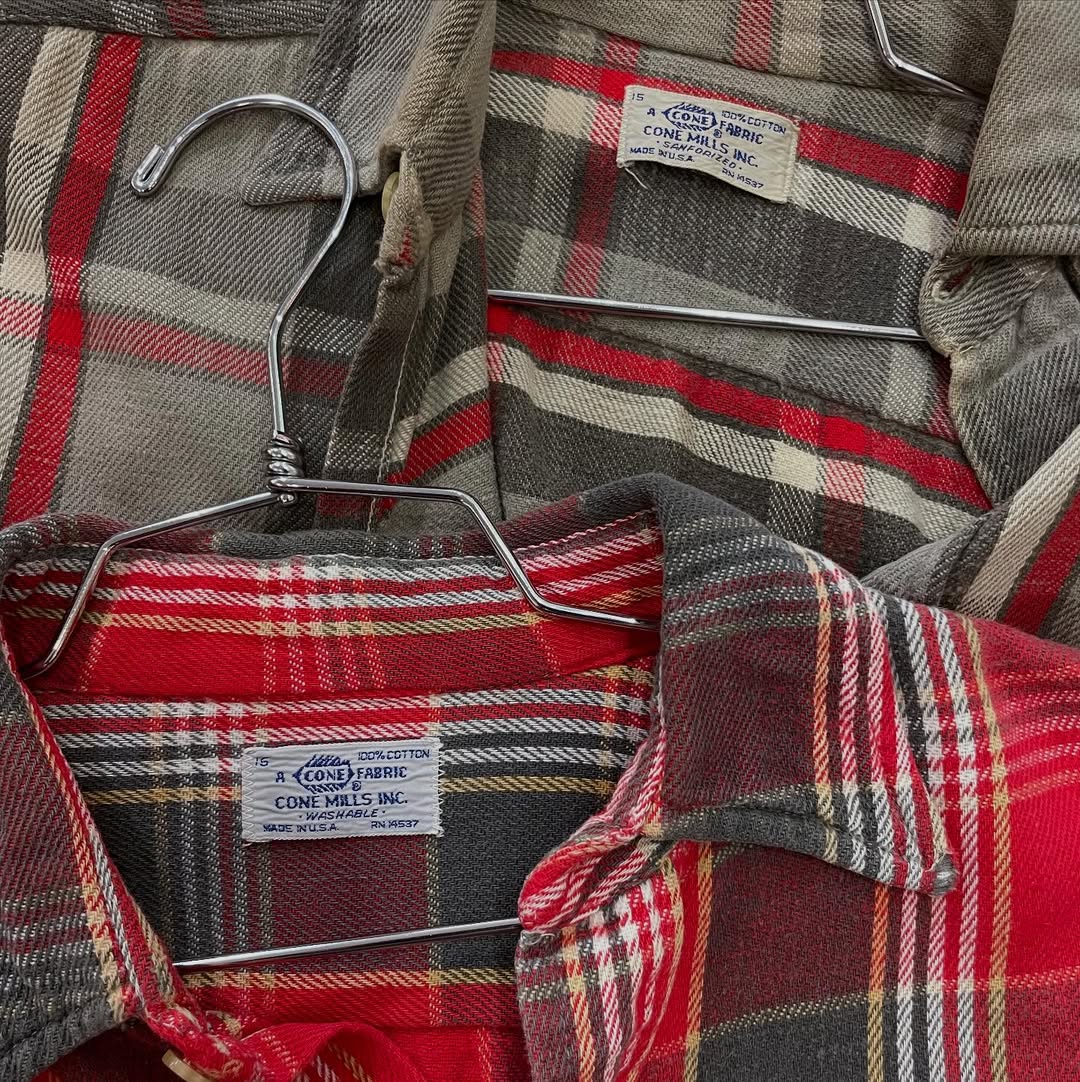
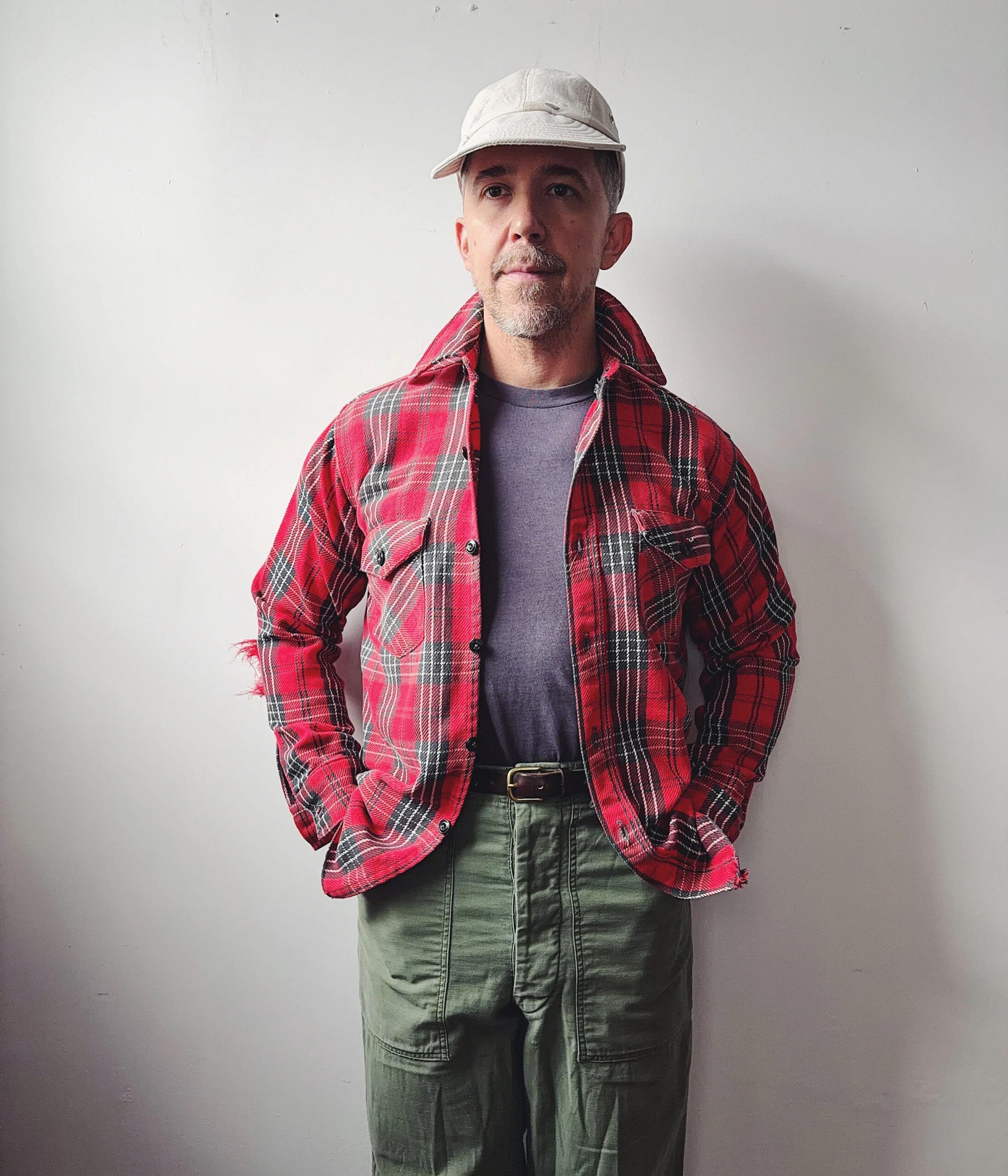
Plaid flannels can offer that same enveloping warmth, though much depends on the type of flannel you choose. I like the ones that remind me of vintage workwear brands such as Big Mac, Big Mike, Frostproof, and Five Brothers, which were commonly worn by loggers, farmers, and other manual laborers during the mid-20th century. Made from chunkier yarns, these shirts had a reassuring heft but could also feel remarkably soft. Some of that softness is due to age, but part of it comes from how the shirts were made. At the time, these companies used machines that wove fabrics at lower tension than modern manufacturing techniques, which put less stress on the yarns and allowed them to retain some of their natural loft, rather than being pulled into a tighter, more compact structure. As a result, their hefty shirts felt soft and pliable, rather than stiff and cumbersome. It’s not always easy to find modern shirts nowadays with this kind of character, although I’ve some over the years from Ralph Lauren and Self Edge. When shopping online, look for flannels with chunky yarns and looser weaves. For vintage flannels from the aforementioned stalwart brands, check Wooden Sleepers.
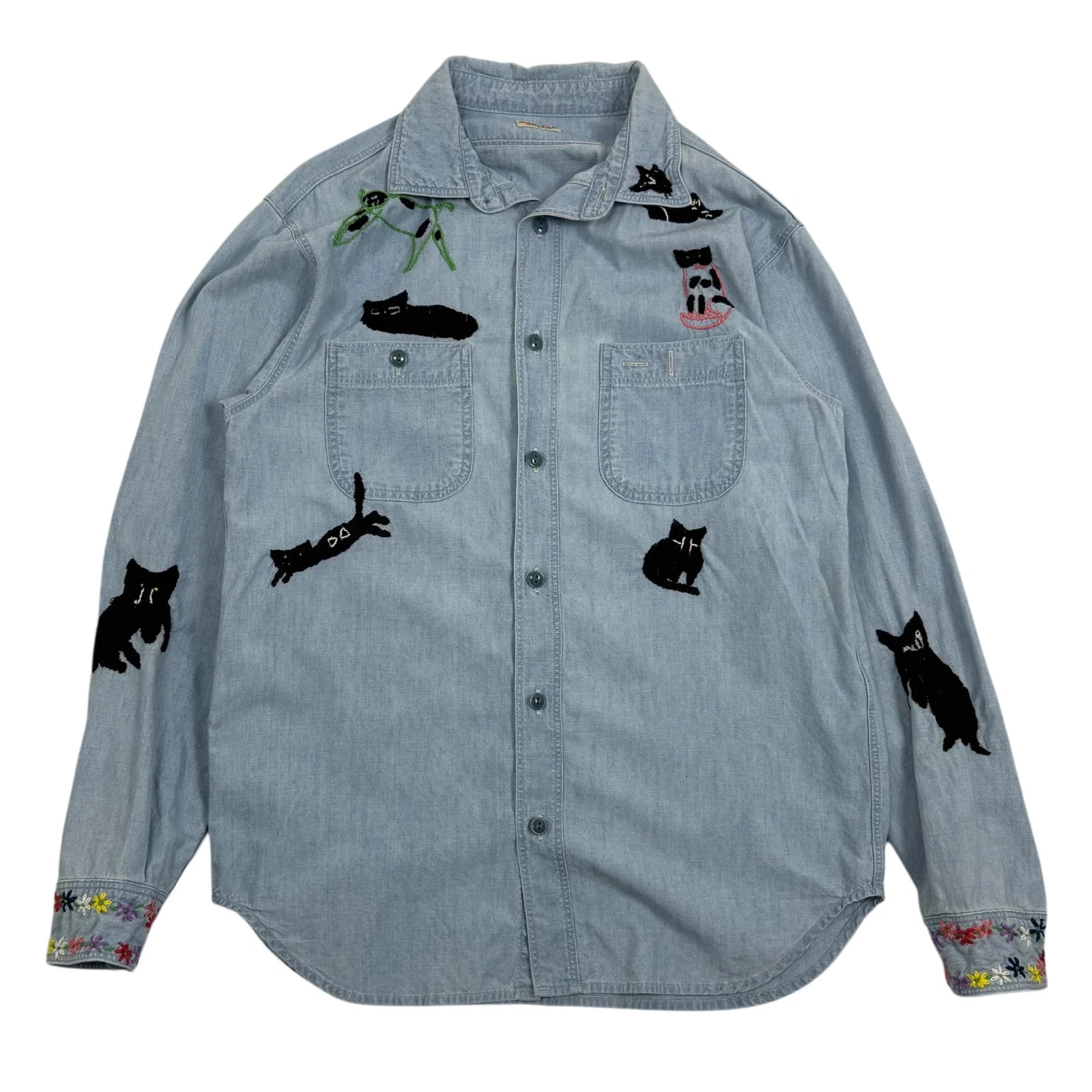
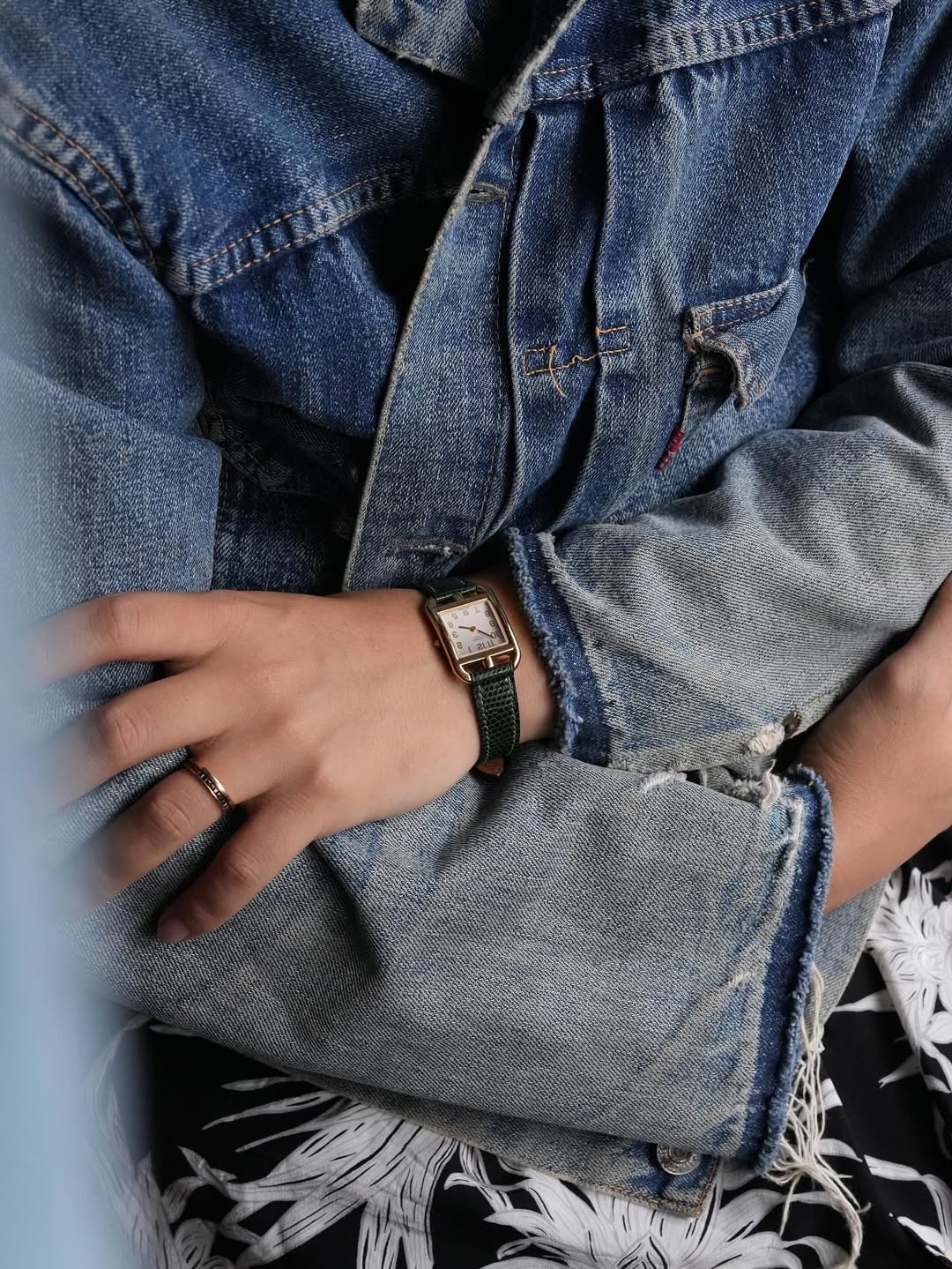
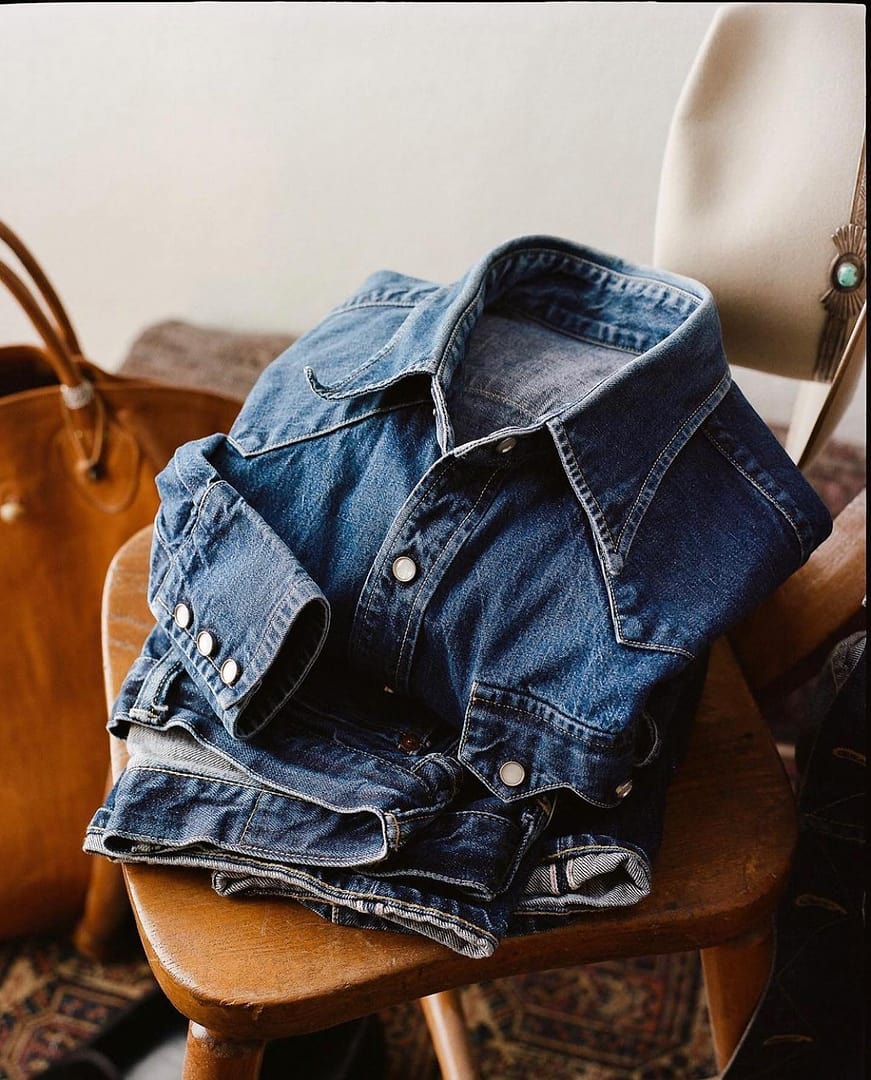
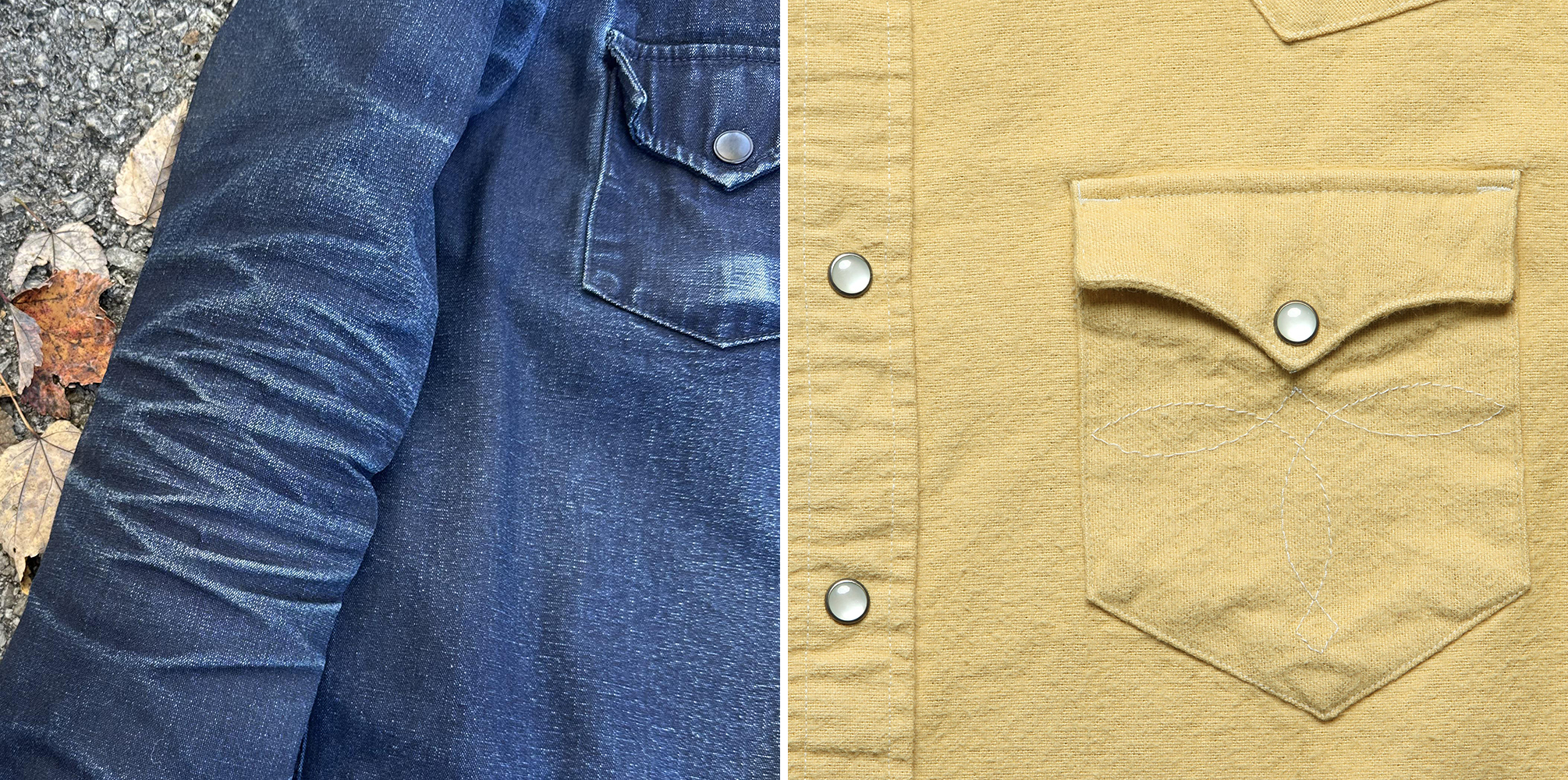
Raw denim lacks the plush, enveloping softness of chamois or heavy flannel, but its comforts are more emotional than physical. Almost twenty years after the craze for all things heritage Americana, I still love raw denim for how it fades. Kapital reintroduced my favorite raw denim Western shirt this season, which features slanted, flapped chest pockets that mimic the shape of peak lapels. I’ve been wearing it with everything from vintage Lee trucker jackets to tailored tweed sport coats. The coziness comes from watching the fabric gradually soften and fade with wear — the lighter patches around my stomach where I absentmindedly wipe my hands, the creases across my elbows, and the roping along the hem. In this way, raw denim makes visible one of the ideas that Rybczynski explores in his book: how coziness can emerge from the accumulation of everyday habits and warm personal memories.
Options: LL Bean chamois (this is thick), J. Crew chamois (thick), RRL chamois Western (thick), Quaker Marine chamois, Todd Snyder chamois, Faherty chamois, Imogene + Willie moleskin (similar to chamois), Wythe moleskin (again, similar to chamois), J. Crew flannel, Buck Mason flannel (this looks great), Imogene + Willie flannel, Wythe flannel (this one looks especially nice), Portuguese Flannel, Imogene + Willie denim Western, Kapital denim Western (excellent), Wrangler denim Western shirt, RRL denim Western shirt, Orslow denim Western shirt, Stevenson Overall Co denim Western Shirt (cool yoke design), and Bryceland’s chambray (not raw denim, but great). Also check Wooden Sleepers, Self Edge, Standard & Strange, and Blue in Green. If you have a hard time finding shirts that fit, contact Proper Cloth. They have a good online made-to-measure program (just order swatches before committing to a shirt).