
Black Friday once involved waking up at an ungodly hour, muscling your way into stores, and standing in lines so long that the economics of the whole endeavor became questionable. Online shopping has spared us much of the physical exertion, although the sheer number of promotions nowadays can make figuring out what to buy mentally exhausting. Every year around this time, I sift through the sales at some of my favorite stores and highlight the things I think are particularly worthwhile to make holiday shopping a bit easier for readers. This year’s selection includes some things I’ve happily owned for years, others I’ve purchased this week, and a few I’m still thinking about, along with some suggestions for how to wear them. As usual, I’ve tried to accommodate a range of budgets, from relatively affordable basics to more specialized designer clothes.
MR. PORTER: UP TO 50% OFF
Since Mr. Porter launched in 2011, its Black Friday promotion has become one of the most anticipated menswear sales events of the year, largely because its sprawling inventory covers so much aesthetic ground. Whether you’re into classic tailoring or the dark avant-garde, there’s a good chance Mr. Porter carries some of your favorite labels. Of course, that breadth of selection is a double-edged sword, as there are currently more than 12,000 items on sale. The key to shopping here is knowing how to use the filters. I’ve created a link that narrows the selection to what I think are the most worthwhile brands. You can whittle things down further by size, price, and garment category. If you’re unfamiliar with a particular label, Mr. Porter is also unusually good about providing garment measurements on its product pages. Plus, free shipping and 28-day returns make it easy to take a chance on things.
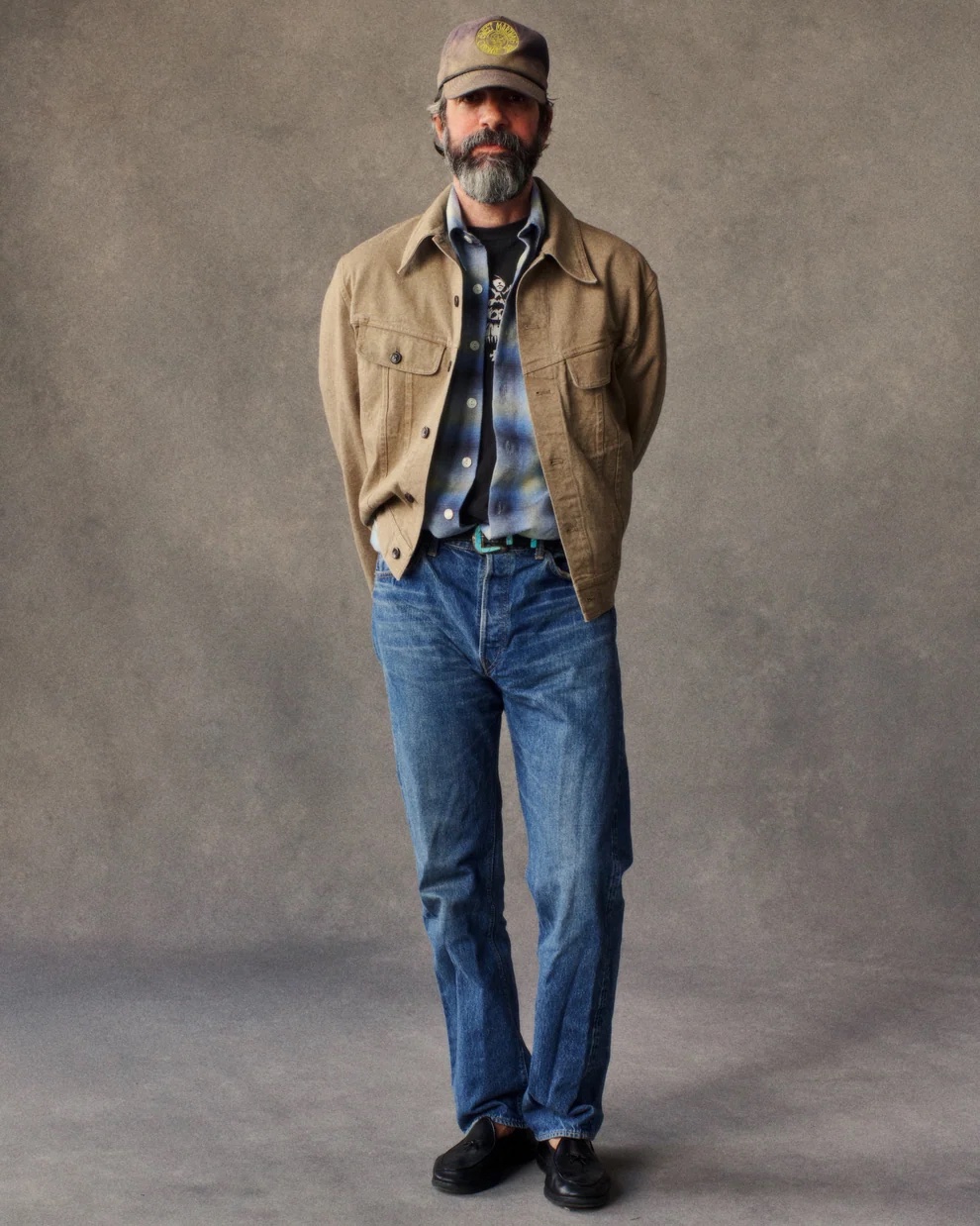
One of the nice things about Mr. Porter’s sale section is seeing how differently designers interpret the same classic styles. Something as familiar as a leather jacket can take on a very different character depending on who’s making it. Kaptain Sunshine’s pleated suede jackets and Mr. P’s shearlings retain some of the ruggedness of their workwear antecedents without looking overly retro, while the offerings from J. Mueser, Nili Lotan, and Valstar have a more refined character that would work well in an office. There are similarly interesting variations on the classic trucker jacket from 3sixteen, Beams, and Aaron Levine. In a video posted earlier this season, Levine showed how a little more volume through the back and a dropped front balance can give this otherwise familiar design a more expressive silhouette. His version is made from a 10.5 oz. sulfur-dyed Japanese twill, which should develop some beautiful tonal variations with wear. If you prefer the rounded silhouette of a bomber, I also like this season’s offerings from Officine Générale and A Kind of Guise.
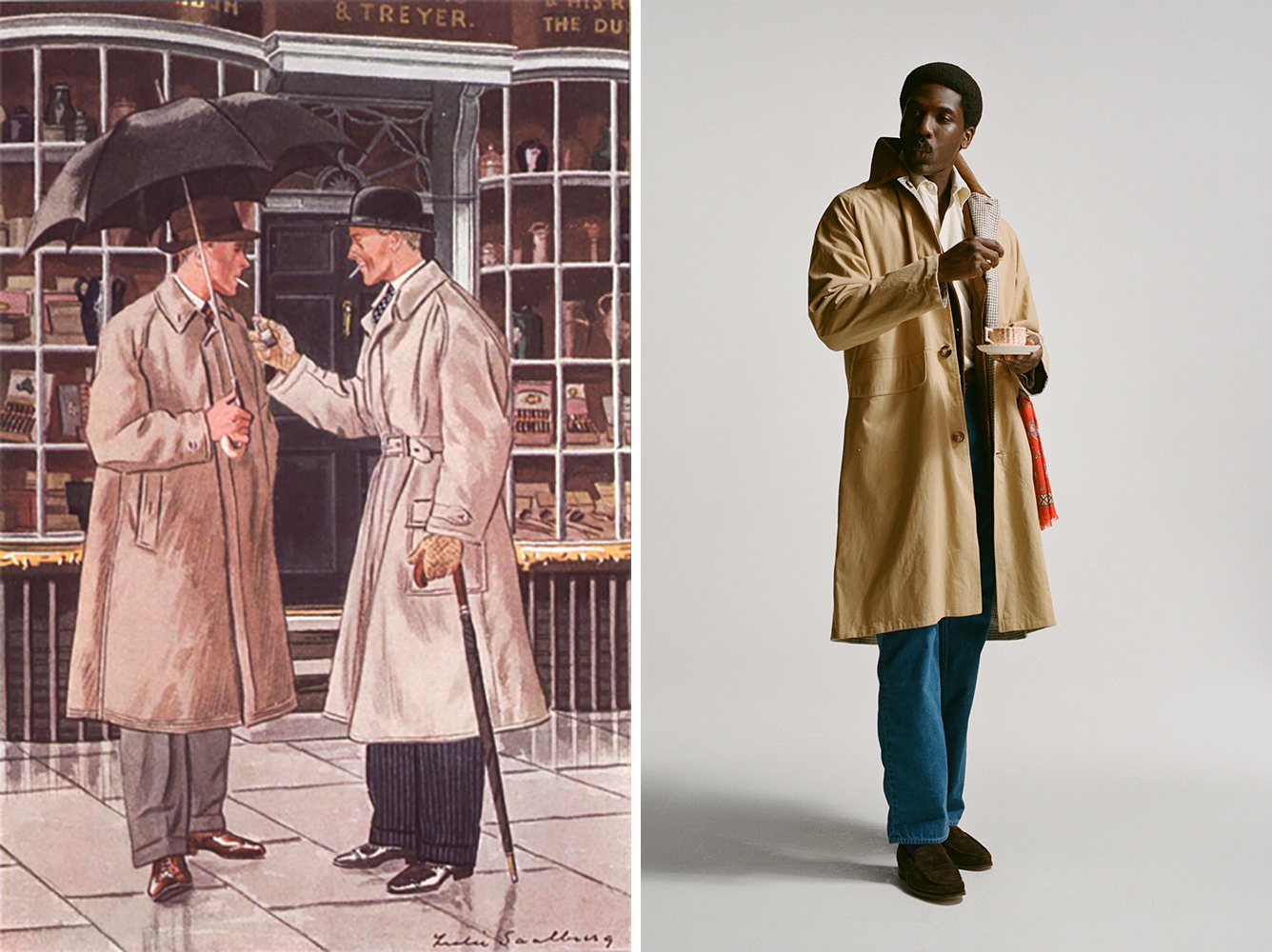
Among the longer coats, I was particularly pleased to see Drake’s raincoats make it to the sale section. Available in olive and tan, they remind me of the generously cut raincoats depicted in old Apparel Arts illustrations, where the fullness of the silhouette was as much a part of their aesthetic appeal as a practical consideration.
I’ve always found textured knits more useful than their smoother, solid-colored counterparts, as they lend visual interest to otherwise simple outfits without competing with patterned garments. The exception might be the fine-gauge turtleneck, where the neckline itself does some of that aesthetic work. Among the more textured options this season, Mr. Porter has some particularly handsome examples from John Smedley, William Lockie, and Barena. I’m partial to William Lockie, which I consider one of the best among a dwindling number of traditional Scottish knitwear manufacturers. They use high-quality yarns, often sourced from the nearby spinner Todd & Duncan, and knit them densely enough that the sweaters retain their shape even after years of wear (this soft yellow sweater is particularly handsome). Any of these would look terrific underneath Fortela’s punchy red waxed-cotton field coat.
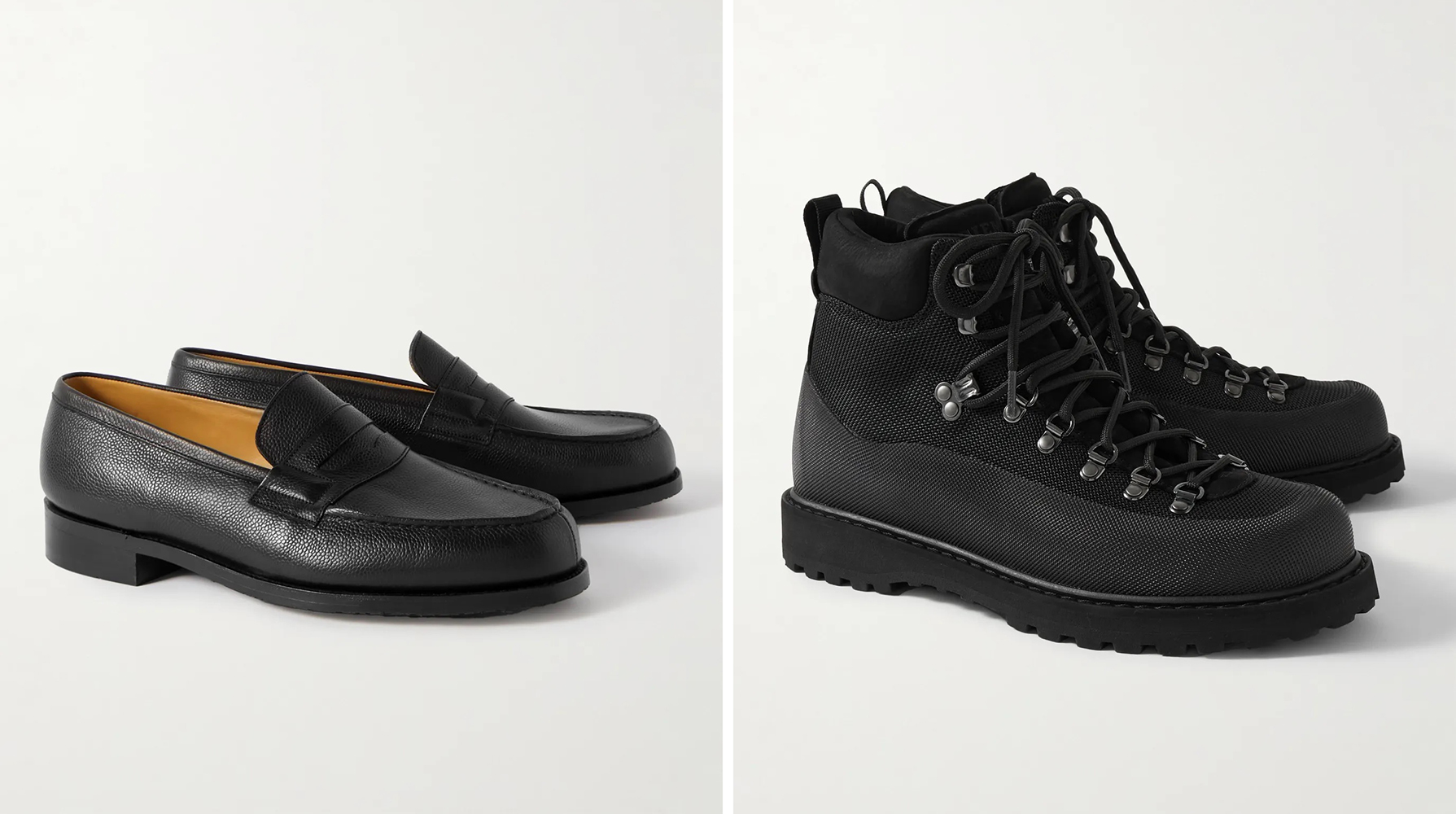
There are also a surprising number of good deals on high-end footwear, including shoes from Edward Green, J.M. Weston, R.M. Williams, and Yuketen. Edward Green makes what I consider the Platonic ideal of a split-toe derby, while the high sidewalls of J.M. Weston’s penny loafers give them a distinctive silhouette that looks as good with tailoring as it does with denim. On the more casual end of things, I bought a pair of Diemme’s Roccia Vet Sport hiking boots a few years ago and particularly like how they look with Bryceland’s olive fatigues.
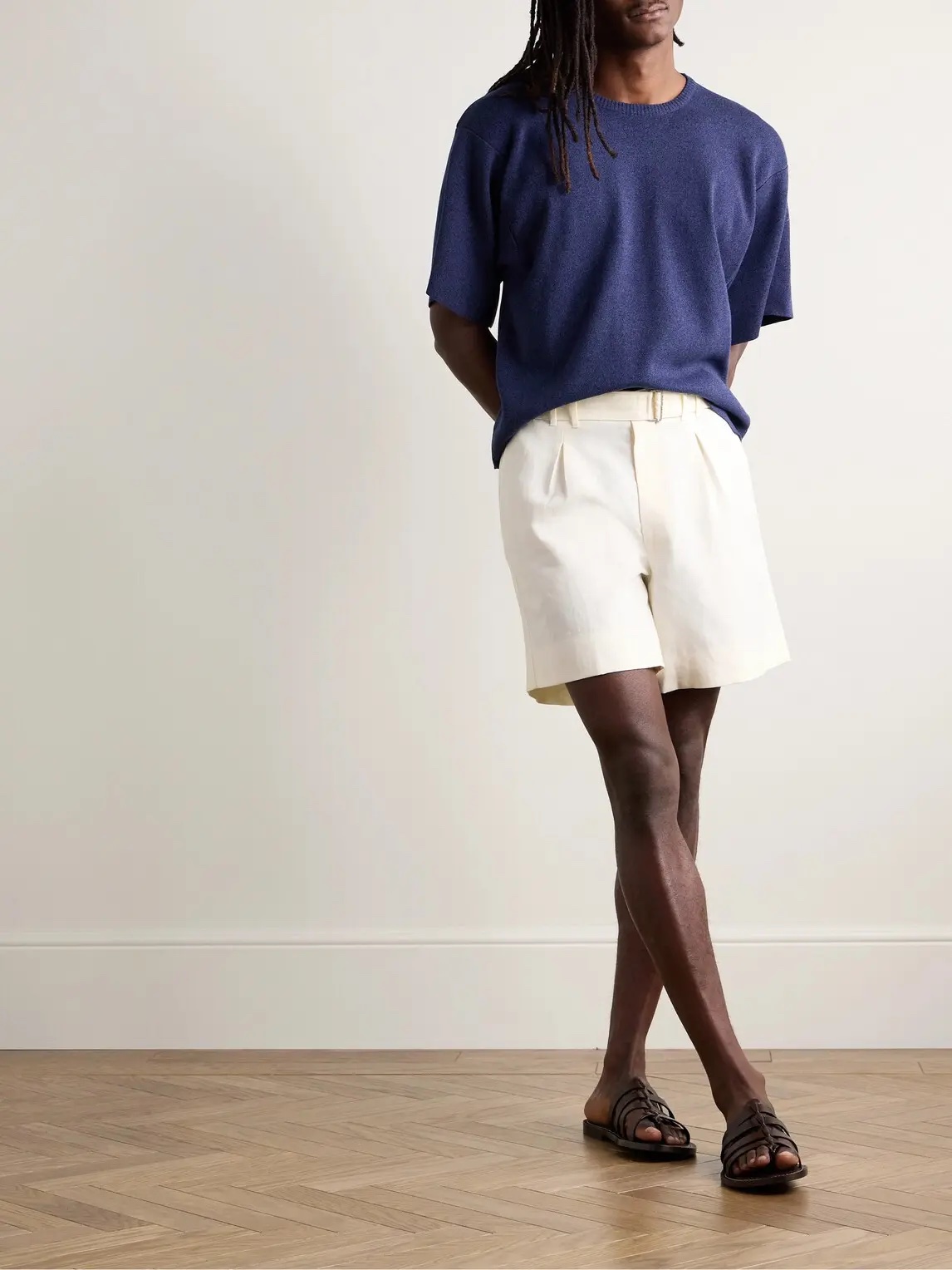
Lastly, a few miscellaneous things caught my eye: running shorts and shirts from Satisfy, should you need some motivation to work off Thanksgiving dinner, and Master-Piece backpacks that look sufficiently grown-up without veering into business casual. There are also some handsome flannel shirts from Drake’s, Orslow, Frizmworks, and Nili Lotan, any of which would look great with the jeans on sale from 3sixteen (one of my favorite denim labels, which also makes excellent chambray shirts). It’s worth shopping out of season, too, as some of the best deals this time of year are on things you won’t be able to wear for another six months. I’m already imagining these Stoffa shorts with Bode’s embroidered camp shirt, Portuguese Flannel’s crochet shirt, or Mr. P’s terrycloth polo — the sort of textured, slightly decorative tops that make summer outfits interesting when it’s too hot to layer.
NO MAN WALKS ALONE: UP TO 55% OFF
One of the curious things about menswear is how compartmentalized good taste can be. Men who look great in a suit often struggle to dress well outside of tailoring, while guys with great casual style can look surprisingly awkward in a coat and tie. I’ve always thought of style as a kind of social language, and fluency in one aesthetic doesn’t necessarily translate into fluency in another. In that sense, No Man Walks Alone is something like the Rosetta Stone of menswear, helping men become aesthetically bilingual.
The shop was founded in 2013 by Greg Lellouche, whose style I’ve long admired on StyleForum. At the time, Greg was a Wall Street banker who was getting bespoke suits from firms such as WW Chan and Napoli Su Misura. Yet he was equally at home on the “streetwear and denim” side of the board, where he was conversant in the aesthetic languages of Stephan Schneider, Junya Watanabe, and Nigel Cabourn. That unusually broad aesthetic sensibility informs his shop’s buying and styling to this day. No Man Walks Alone is one of the few stores where you can find soft-shouldered Italian tailoring alongside offbeat workwear, contemporary minimalism, and adventurous, hard-to-find Japanese designer labels. Men who want to build a well-rounded wardrobe without spending years studying the various dialects of menswear could do worse than earmark a portion of their annual clothing budget for this store.
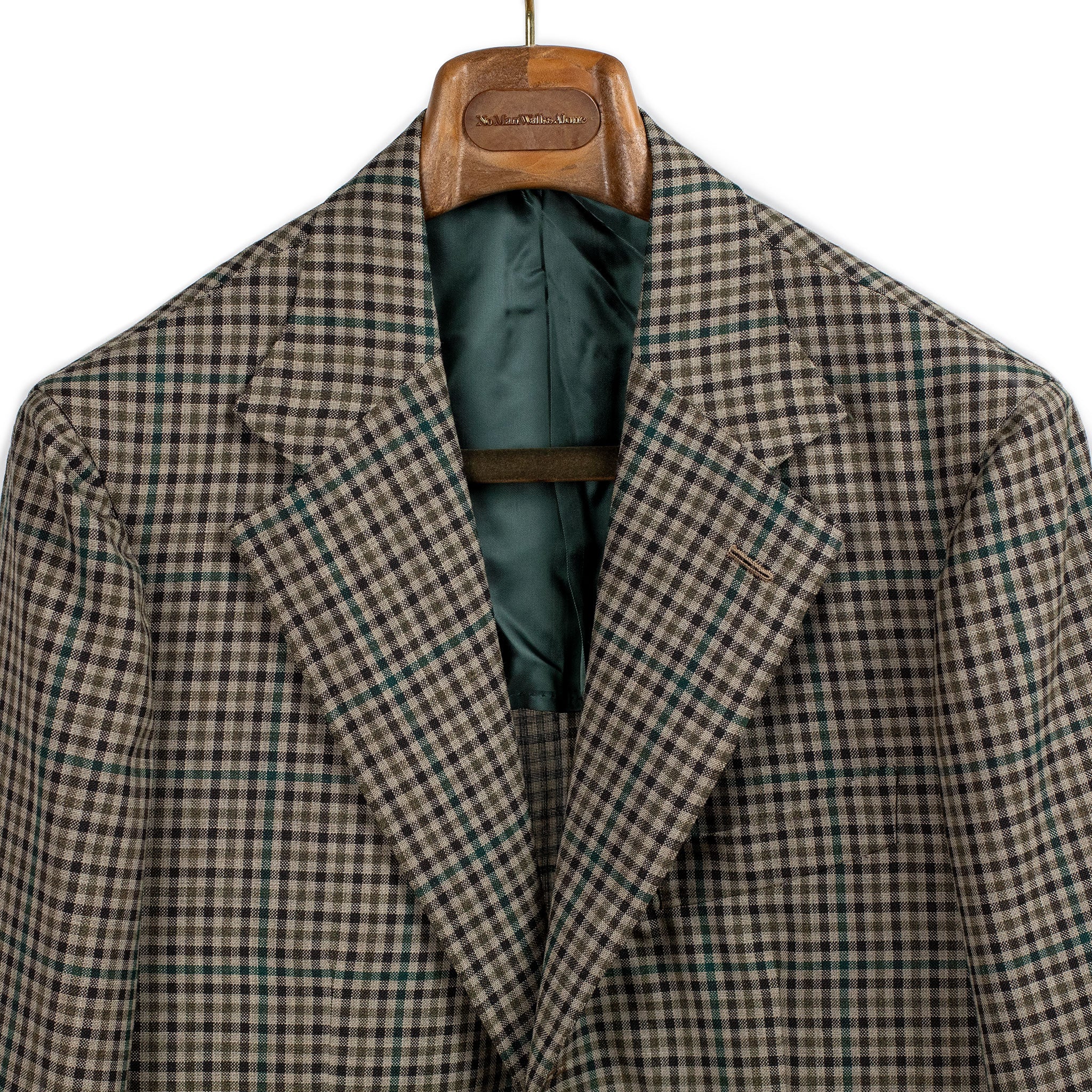
For instance, Greg partnered with Sartoria Carrara a few years ago to develop an in-house tailoring line inspired by mid-century Italian style. The shoulders have the softness we associate with Italian tailoring, but enough structure to support a slight extension, which accentuates that V-shaped taper to the waist. The gorge sits lower than was fashionable in the early 2010s, while the quarters sweep back toward the hips, giving the jacket’s front a more dynamic shape. This summery gun club sport coat would look great with a colorful G. Inglese shirt and taupe trousers, while the navy tropical wool suit could be enlivened with a pink Irrational Element long-sleeved polo.
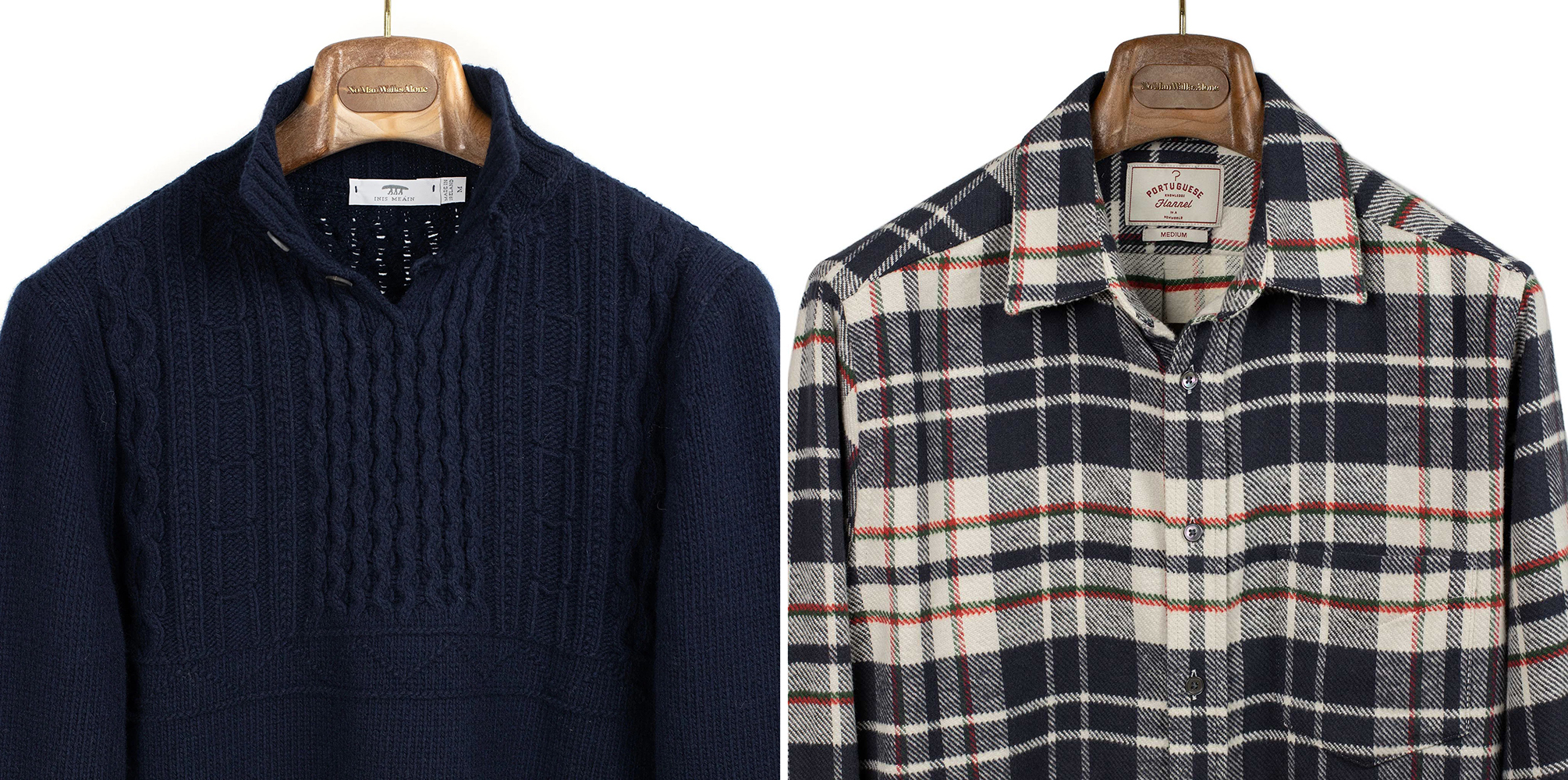
On the more casual side of the same wardrobe, I like the idea of teaming these brown brushed-cotton jeans with a checked flannel shirt and Valstar’s down puffer vest. The pleated corduroy easy pants would work equally well here, and there are some handsome flannel shirts to choose from Portuguese Flannel, G. Inglese, and Wythe. You could also swap out the flannel shirt for Inis Meain’s navy button-neck gansey, which, incidentally, would be a considerable upgrade from the Peter Millar quarter-zips seen in every office. For something a little more outdoorsy, this red Fujito hunting jacket reminds me of an outfit I recently admired on Instagram (team it with a blue Bosie Shetland and Bryceland’s P13s to recreate that look). Meanwhile, this fuzzy Kaptain Sunshine Walker coat has a beautifully generous A-line silhouette that I think looks especially good with full-cut trousers and substantial footwear.
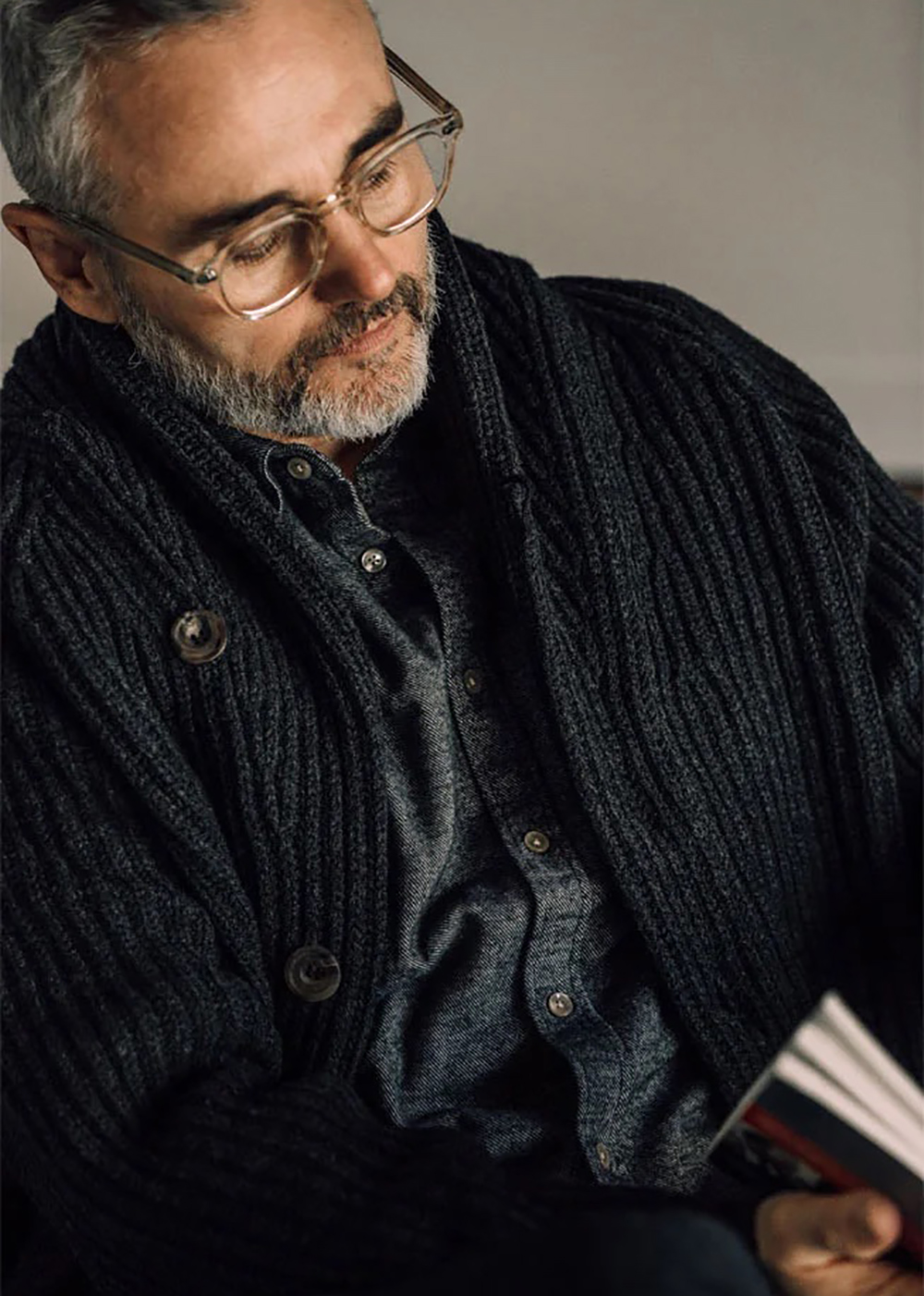
Lastly, I’m generally cautious about giving clothes as gifts, but it’s hard to go wrong with a William Lockie shawl-collar cardigan. The raglan sleeves make these cardigans especially forgiving in terms of fit, as you don’t have to worry about where the shoulder seams sit. They’re also knitted from a particularly soft Geelong lambswool, with a hefty eight-ply construction that makes them wonderfully warm and gives the shawl collar a satisfying heft. It’s the sort of luxury many men would have a hard time justifying for themselves but would be delighted to receive as a gift.
NAMU SHOP: 25% OFF (CODE: PIE)
A few years ago, a photo of Oscar Isaac sitting cross-legged on a Tiffany-blue cushioned bench set the internet aflutter. He was wearing olive-brown cords, New Balance sneakers, and a distinctive half-placket knit in a color somewhere between gray and lavender. The photo, which first appeared on costume designer Miyako Bellizzi’s Instagram, has garnered nearly 50,000 likes and inspired a great deal of swooning on Twitter. Isaac’s tousled salt-and-pepper curls and scruffy beard admittedly did some of the heavy lifting, but there was a quiet sophistication to the clothes themselves. Much of their appeal lay in qualities that would be difficult to appreciate if you saw the garments individually on a rack: the way the knit draped across his body, the fullness of the cords, and the subtle interplay of colors. Everything looked exceedingly comfortable without looking the least bit sloppy. This is the sort of clothing I associate with Namu Shop, a Houston-based boutique specializing in Japanese and South Korean labels that manage to wring a surprising amount of elegance out of seemingly ordinary clothes.
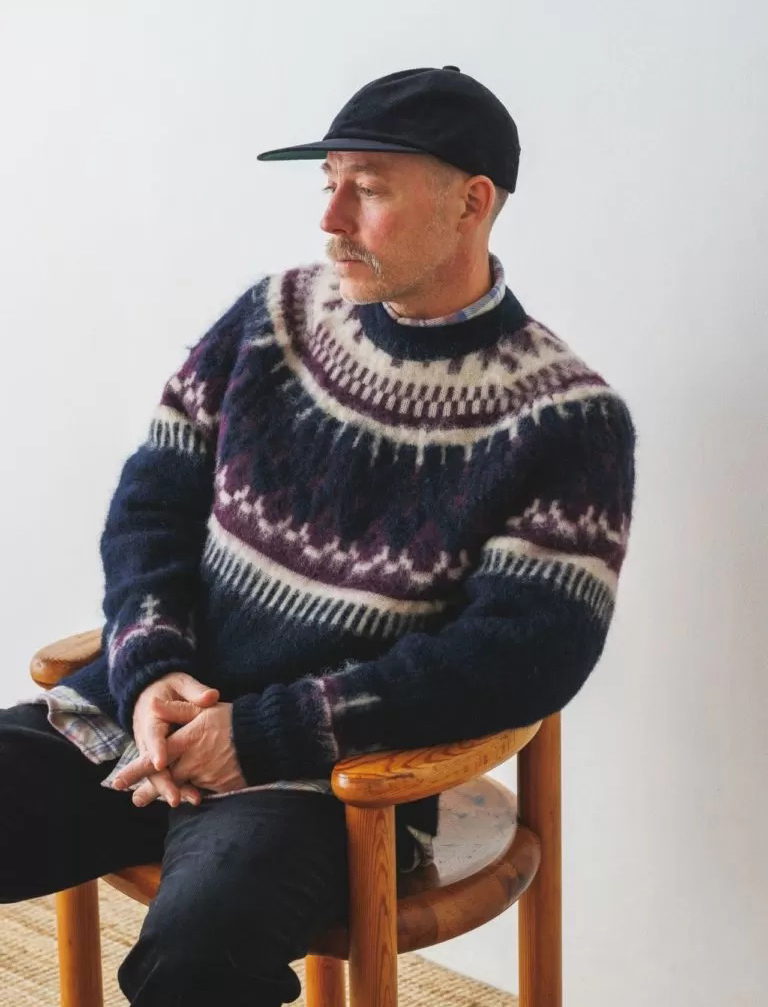
For instance, this Fujito knit is a particularly handsome interpretation of what’s commonly known as an Icelandic yoke sweater (aka lopapeysa), although the design may owe more to a Norwegian knitting pattern published in 1930 than to any centuries-old Icelandic knitting tradition. Traditional versions of the lopapeysa can be a bit bulky, owing to the use of thick Icelandic wool and a stranded knitting technique in which unused yarns are carried across the back of the patterned areas. What I like about Fujito’s interpretation is how the fuzzy surface blurs the outlines of the geometric motifs, giving the pattern an almost painterly quality. The muted shades of plum, navy, and cream also make it feel less folkloric than many traditional Nordic knits. The company also makes lovely, ostensibly solid-colored sweaters, where a mélange of different shades of gray or brown gives the color some depth. The dropped shoulder seams, broad ribbed neckline, and slight fullness above the hem give these sweaters a more interesting silhouette than your average crewneck.
One of the things Japanese designers do particularly well is reinterpret old military and sporting clothes through changes in fabric and silhouette. This Unlikely N-1, for instance, takes the familiar form of a US Navy deck jacket but replaces the traditional jungle cloth with a dense cotton back satin. The warmth comes not from a thick alpaca-pile lining but from a quilted interior, allowing the jacket to hang a little more softly on the body. I also like this field jacket from Kaptain Sunshine, which is made from top-dyed Bluefaced Leicester, one of the finest British wools. The leather collar, storm flap, action back, and abundance of pockets give it the character of an old sporting jacket, but the brown herringbone is the sort of cloth you’d more readily associate with tailoring. You could wear it with jeans and a Shetland sweater, but it would look equally at home with cashmere knitwear and softly draping wool trousers.
J. CREW: UP TO 50% OFF; LL BEAN: 15% OFF
J. Crew used to be a great entry point into menswear, a place where men could buy handsome Fair Isle sweaters, Japanese selvedge denim, and military-inspired outerwear, as well as discover heritage brands such as Barbour and Red Wing. For a time, their Wallace & Barnes sub-label also made genuinely interesting clothes, such as a ripstop interpretation of a WWII-era British Special Boat Service smock — the sort of thing you’d expect to find at Nigel Cabourn or Engineered Garments, not at your local mall. In more recent years, the collections have felt a little too heavy on basics for my taste, but there are still glimpses of what made J. Crew so appealing in those days. A few things are especially worth considering during their Black Friday sale, when select styles are 40% off and already-reduced items are eligible for an extra 50% off with the code FRIDAY.
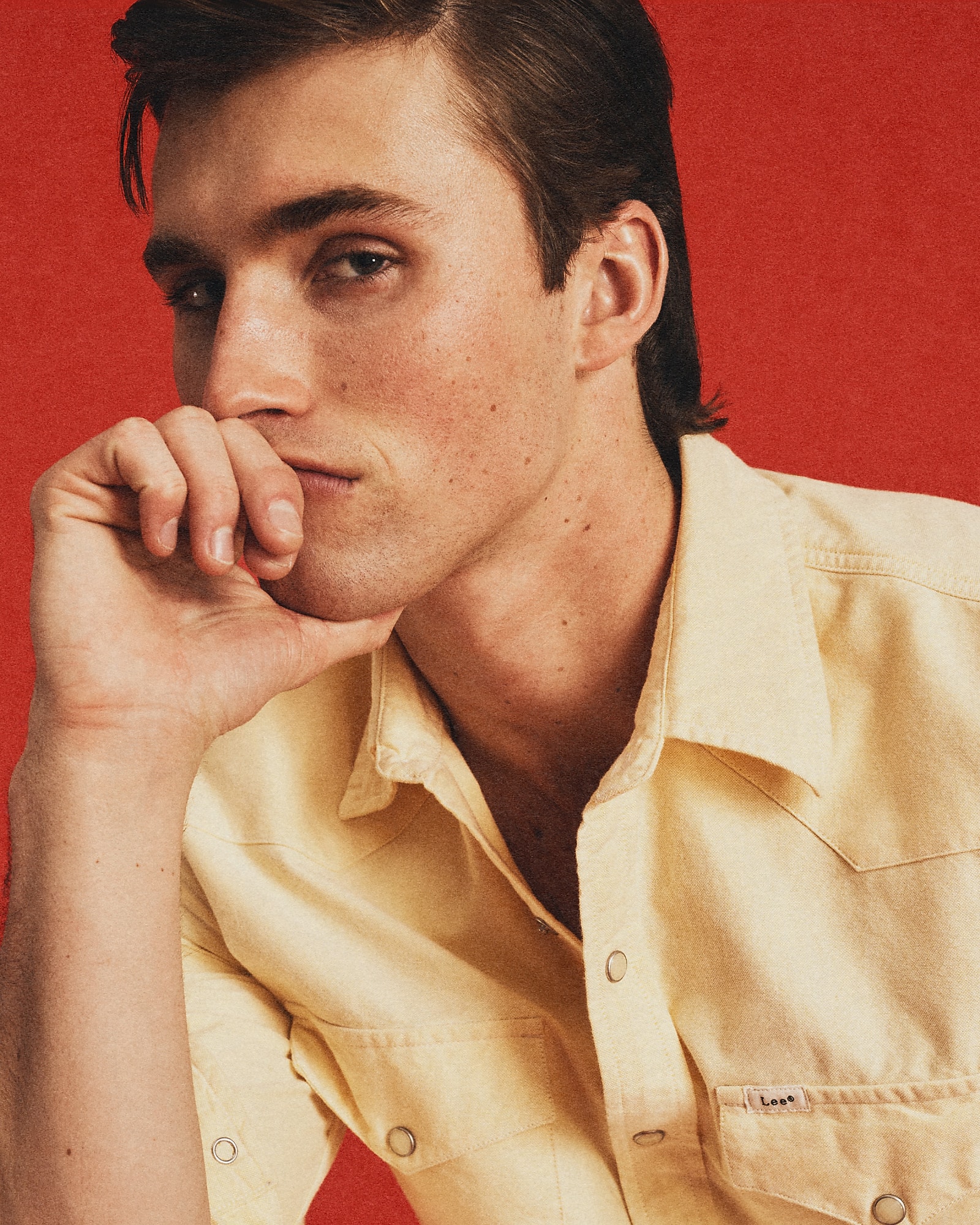
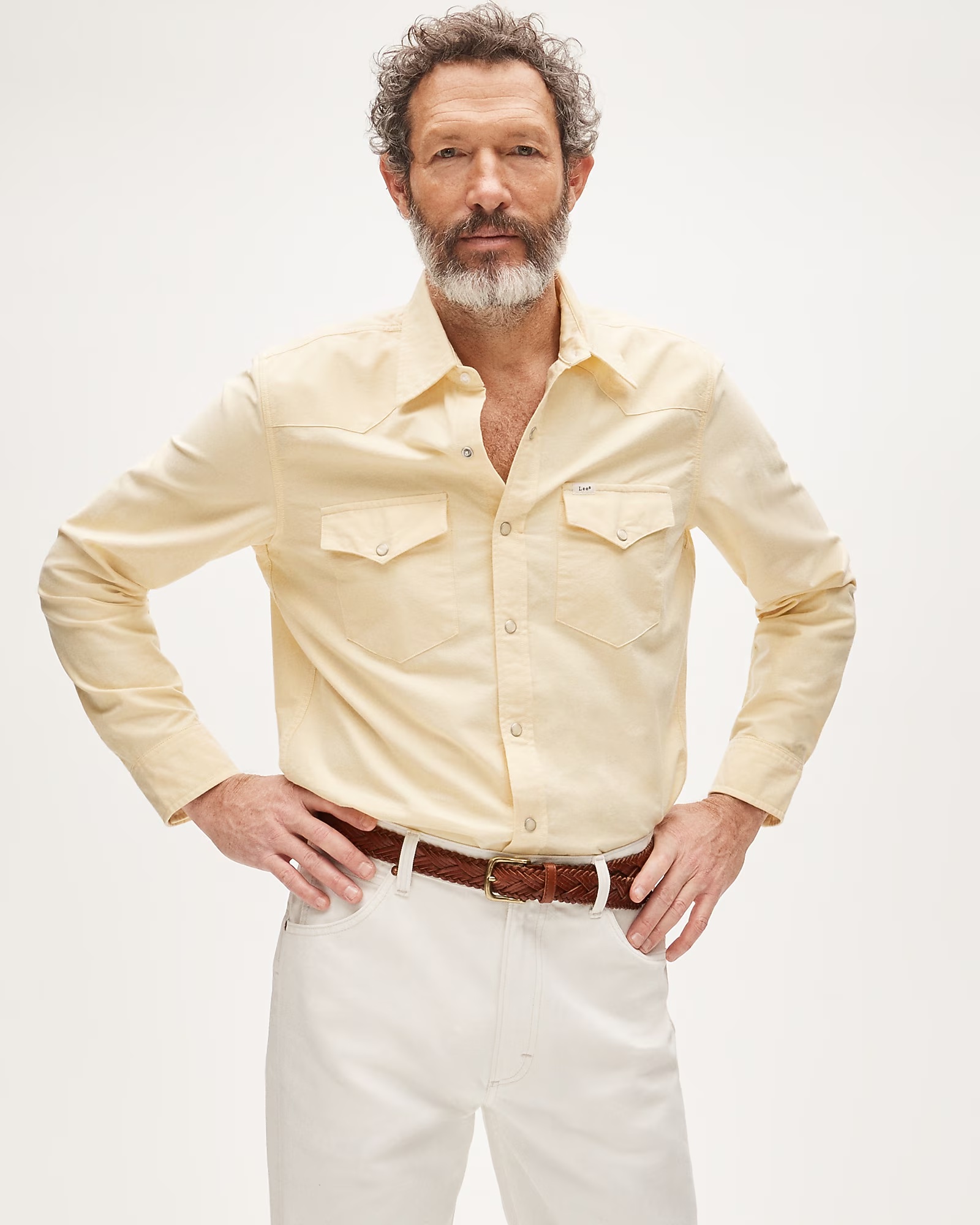
Consider, for instance, these straight-fit, five-pocket cords, which wear much like jeans but lend an outfit some of the warmth and texture that make fall and winter wardrobes so appealing. I don’t mind the 2% elastane here, as corduroy can be a bit stiff. The classic-cut chinos also strike a nice balance between the slim fits that dominated menswear a decade ago and the much fuller silhouettes popular today. Either pair would look great with J. Crew’s handsome plaid flannel shirts or heavier chamois button-ups, the latter of which work particularly well as shirt jackets. Additionally, the yellow oxford Western shirt and white jeans they made in collaboration with Lee have been marked down considerably (an extra 50% off with the checkout code FRIDAY). It’s a clever marriage of two American clothing traditions, giving prep a little more grit and Westernwear a little more polish.
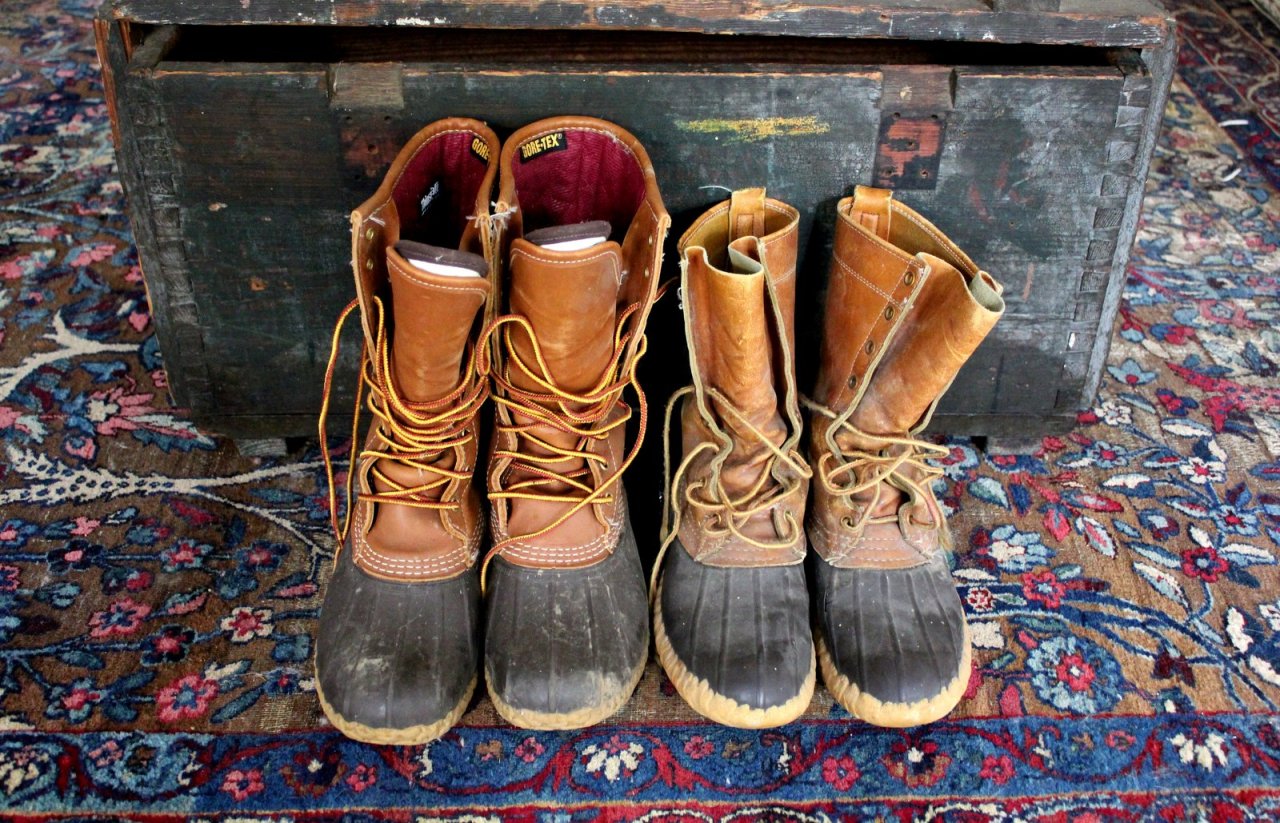
Speaking of prep, L.L. Bean is offering 15% off sitewide with the code GIFT15. Nearly twenty years after menswear blogs couldn’t stop talking about all things Bean, my enthusiasm for their Bean boots and Boat and Totes hasn’t waned. Both are still made in Maine, and there’s something charming about their sturdy, no-nonsense construction and how little their designs have changed over the decades. Originally designed for duck hunters and people hauling ice, respectively, they’ve since become part of the visual language of American casualwear, sitting as comfortably in the world of Ivy style as they do workwear. I’ve worn my 8″ Bean boots with chinos and Shetland sweaters, as well as jeans and vintage hunting jackets. I’ve also had a soft spot for the gumshoes ever since seeing an elderly couple wearing theirs with 1970s mountain parkas and weathered chinos at my local Post Office.
STAG PROVISIONS: 20% OFF AT CHECKOUT
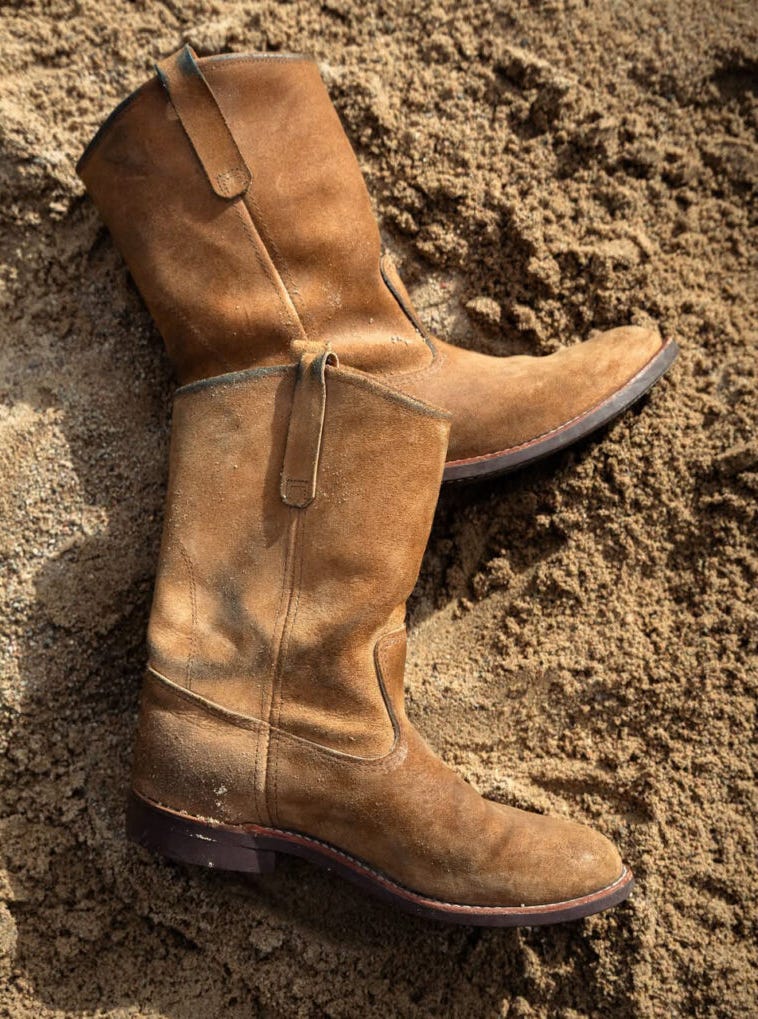
However much cultures may differ, they seem united in their disgust for laziness. Christians even count sloth among their seven deadly sins, which is perhaps why Morning Brew journalist Macy Gilliam recently found tech workers performing industriousness at a Y Combinator-backed café. This is a serious concern for me, as whatever work ethic I cultivated in my youth seems to be rapidly disappearing. So I was particularly pleased to buy a pair of roughout Red Wing Pecos last year when they were reintroduced to celebrate the company’s 120th anniversary.
Red Wing first introduced its Pecos boots for cowboys and ranchers in 1958, but it wasn’t long before they found an audience beyond the ranching world. Their appeal is obvious: the pull-on design makes them easy to slip on and off, spares you the trouble of tying shoelaces, and they look great under a pair of blue jeans, olive fatigues, or tan Army-style chinos. They’re a natural accompaniment to workwear staples such as trucker jackets and hunting coats, but the suede versions also look surprisingly good with more refined casualwear, such as brushed lambswool sweaters and tweedy Balmacaan overcoats.
Much to the frustration of enthusiasts, the roughout Pecos has come in and out of Red Wing’s collections over the years, sometimes with a wedge sole and other times with a traditional heel. I particularly like this latest iteration: the slimmer, 10-inch shaft allows jeans to fall more cleanly over the boots, while the Chemigum outsole is more flexible and comfortable than the older Nitrile Cork design. Best of all is how the leather ages. The Hawthorne Muleskinner roughout is quick to develop a rich, uneven patina, which gives the illusion of industriousness, even when you’re too lazy to tie your shoes. A note on sizing: since these come in an E width, men with standard-width feet may want to go down half a size (e.g., if you normally wear a 10D, take the 9.5E here).
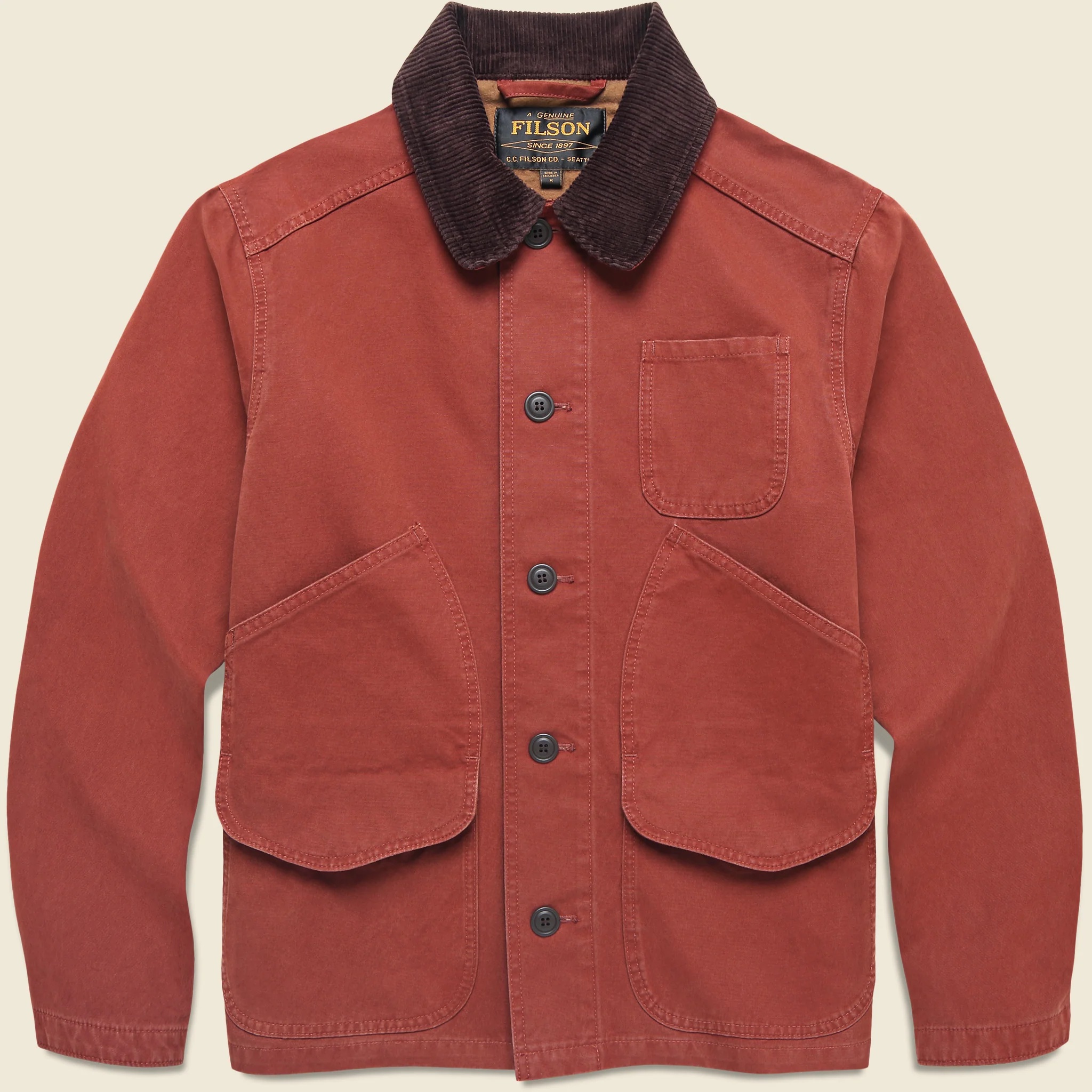
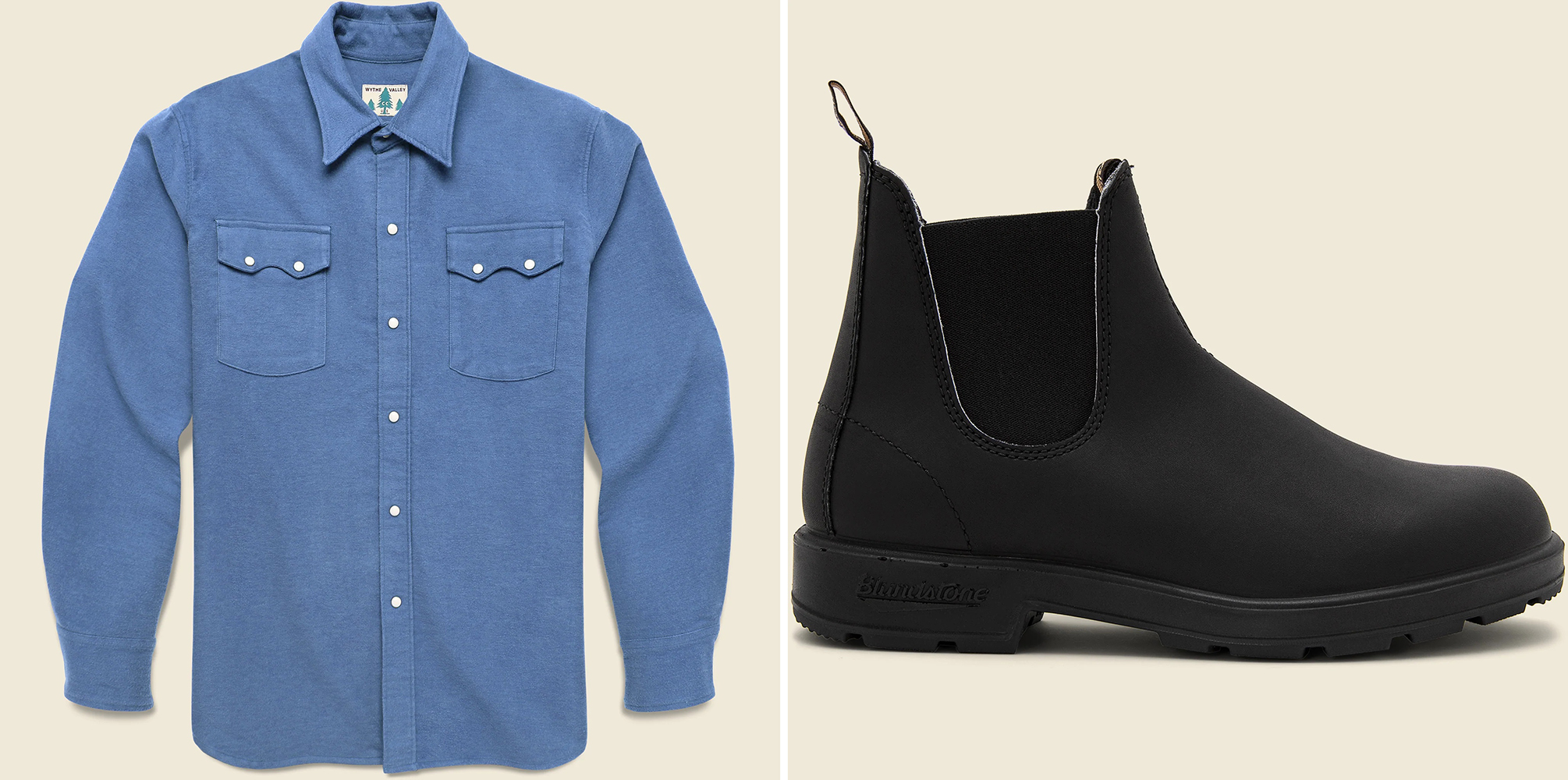
Should you wish to extend the illusion of industriousness to the rest of your wardrobe, Stag Provisions has some excellent work shirts on sale. I particularly like Wythe’s moleskin Western shirts, which have a dense, velvety nap reminiscent of the felt on a billiard table. Moleskin has the unusual virtue of feeling luxurious against the skin while having the warmth and durability you want from winter workwear. Taylor Stitch’s lighterweight chambray and Imogene + Willie washed denim work shirts will work better in slightly warmer climes, while Levi’s Premium Western shirts — available in rinsed and washed denim — are hard to beat for the money. Any of these would look great with a pair of Buck Mason’s Full Saddle jeans or Army-styled chinos, teamed with one of Filson canvas barn coats (I like how Loren Fizer styled the red one). I would finish this off with a pair of all-black Blundstone boots, which have the rugged appearance of work boots but also the cushioned comfort of sneakers. Before I bought my Pecos, they were my go-to boots for casual winter outfits. Mercifully, they also require no lacing.
KIEHL’S: UP TO 50% OFF SITEWIDE
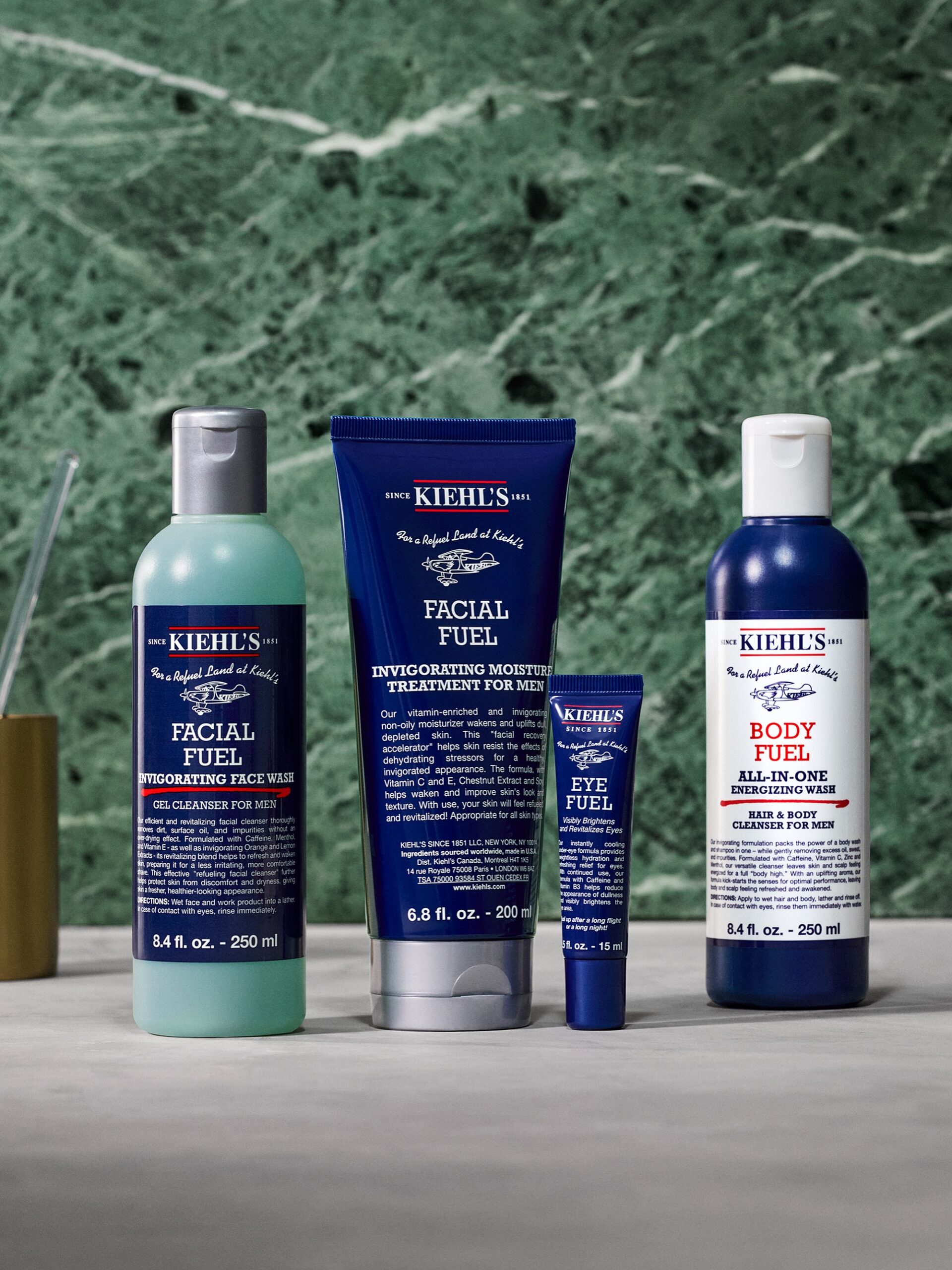
I’ve come to think of Black Friday as a good time to replenish the things in my bathroom cabinet. Much of what I use comes from Kiehl’s, where the prices are just high enough at full retail that I prefer to buy six months’ worth of stuff during one of their semiannual sales. Among my favorites is their Ultimate Man Body Scrub Soap, a wonderfully absurd name for what is essentially a bar of soap with some oatmeal and bran in it. The little bits of grain help exfoliate your skin, and the bars last considerably longer than you might expect. I’ve also had good experiences with their Olive Fruit Oil shampoo and Amino Acid conditioner. I have naturally dry, coarse hair that can be difficult to style in the morning, but these leave it noticeably softer and more manageable. Kiehl’s has a fairly range of hair care products, so you can choose something suited to your particular hair type.
Winter is also when I become more diligent about moisturizing. Of the various facial moisturizers I’ve tried from Kiehl’s, their popular Ultra Facial Cream feels the most protective, although I generally prefer the lighter consistency of their Facial Fuel. If your skin is particularly oily, you may want to try their oil-free moisturizer. For chapped lips, I keep a tube of Lucas’ Papaw Ointment on my desk. It’s essentially petroleum jelly with a little fermented papaya, which doesn’t sound terribly exciting, but few things I’ve bought from the grooming aisle have given me such immediate relief.
TOMMY JOHN: 50% OFF SITEWIDE (CODE: BF50)
There was an inside joke among my friends about twenty years ago that once a menswear blogger had reviewed every tweed jacket and pair of chinos, he’d eventually move on to underwear. The joke turned out to be prophetic, as about a decade later, I found myself looking for the best boxer briefs money could buy. I’m embarrassed to admit that, at some point along that quest, I purchased a pair of Sea Island cotton boxer briefs from the Swiss firm Zimmerli, widely regarded by discerning menswear experts as the ne plus ultra of men’s underpants. They were exorbitantly expensive — $150 at full retail (although I got mine at 30% off) — and so soft at first that I briefly entertained the idea that I thought I’d discovered an entirely new category of luxury. But the softness didn’t last nearly long enough to justify the price.
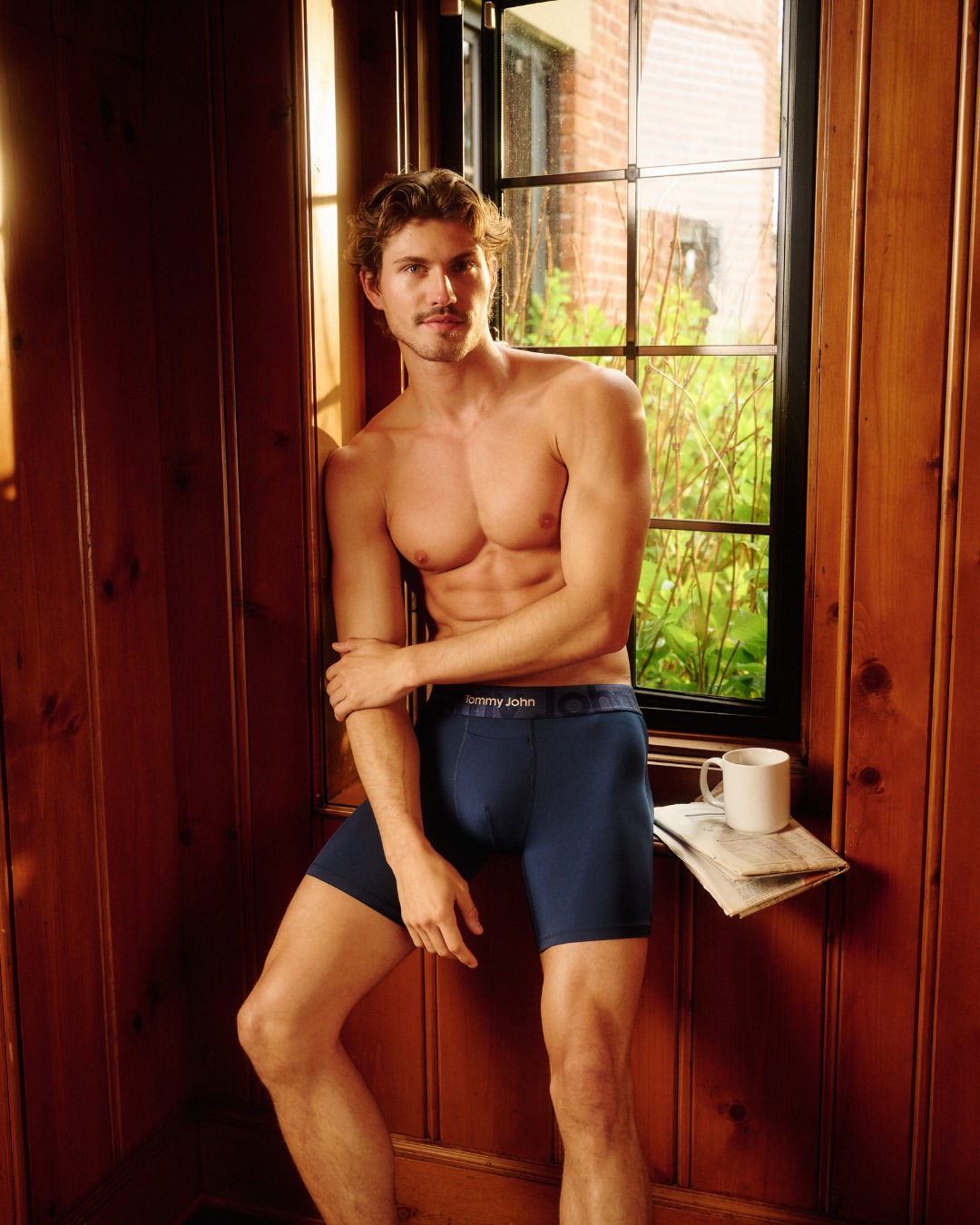
I eventually found my version of ‘the best’ at Tommy John, an American brand championed not by connoisseurs of fine European haberdashery, but by Howard Stern. The company makes boxer briefs in a variety of fabrics, including a stretchy Supima cotton with a dry hand, a featherweight nylon mesh for hot weather and travel, and a moisture-wicking polyester blend with ventilating mesh panels for exercise. However, I’ve always stuck with their best-selling Second Skin, which has a smooth hand and fluid drape. It’s made from micro-modal, a regenerated cellulose fiber derived from wood pulp and prized for its softness and moisture-management properties. I find I stay considerably cooler and drier in these than in pure cotton boxer briefs, particularly on days when I’m doing a lot of walking. Plus, the contoured pouch provides support without making me feel like I’ve been shrink-wrapped. These are admittedly less romantic selling points than the provenance of some rare cotton grown in the Caribbean, but I’ve since replaced every pair of boxer briefs in my dresser with them.